
Different Types of DJs
DJs are the heartbeat of the music industry, capable of making any event lively and memorable. Today’s modern DJs have evolved from simply playing tracks to creating immersive experiences that connect with their audience. To choose a DJ whose skill set perfectly aligns with your event, it’s helpful to understand the different types of DJs.
DJs can be categorized by role, such as corporate events and festival DJs, or by genre, like hip-hop and classical DJs. While DJs specializing in genres focus on mastering specific music styles, DJs who tailor their brand to a role do so to meet the demands of the occasion they are playing at.
Whether you’re planning a large-scale festival or a sophisticated wedding, LIV Entertainment Group has a diverse team of DJs for hire to suit any occasion. Our DJs are experts across various genres and event types, delivering personalized performances that match your unique vision. Let us make your event unforgettable – contact us today to find the perfect DJ!
This post delves into DJs by role and genre, showcasing their unique contributions in various settings. We also go over some useful steps in hiring a DJ and share the average pricing to help you budget properly for your next event.
How a DJ Can Transform Your Event Experience

Hiring a DJ can elevate your event no matter what type of event you’re planning. This is because a good DJ doesn’t just play music but also uses it to set the perfect mood for any occasion. With their deep knowledge of various genres, DJs are skilled in picking music that matches the theme of your event.
Another important skill that sets most DJs apart is their ability to read the audience’s energy and adjust the tempo to keep the vibe right. The best DJs also know how to properly use sound systems to ensure the music sounds great. DJs like our DJ Jason, who specializes in turntablism, bring an added layer of excitement with their scratching techniques, making their sets more dynamic and engaging.
Different Types of DJs by Role
DJs who categorize themselves by role bring a unique skill set that matches the demands of whatever event they perform at. Examples of such DJs are:
Mobile DJ

Mobile DJs offer versatile services for all types of events. They are able to take on the role of a corporate event DJ to enhance professional gatherings or as a DJ for a party to keep the dance floor alive at social celebrations.
Because of their portable sound systems and other DJ equipment, mobile DJs can easily play from any venue. A key skill for all mobile DJs is being experts at handling sound systems. They must also excel at creating playlists and transitioning between genres.
Radio DJs
Radio DJs are entrusted with the responsibility of curating music for radio broadcasts using their witty on-air commentary and carefully curated playlists.
Radio station DJs differ from live performance DJs in terms of how they manage their listeners. Live performance DJs tend to focus their efforts on adapting to the crowd’s energy in real time, whereas radio station DJs are focused on maintaining a consistent mood for their remote audience.
Radio DJs depend on more than their ability to craft playlists to keep their audience engaged. They also excel in voiceovers, storytelling, and interactive segments like call-ins.
Club DJs

As you might have guessed, a club DJ’s primary responsibility is to keep the energy alive in nightclubs, lounges, and other nightlife venues. Like mobile DJs, club DJs need to master the use of equipment such as mixers. Additionally, both DJs need to know how to read the crowd and adapt to their moods in real-time.
The major difference between a club DJ and a mobile DJ is in how they perform. Club DJs focus on raising the energy levels of a crowd within a confined space. In contrast, mobile DJs cater to a more diverse audience in various locations.
Bedroom DJs
A bedroom DJ is anyone who performs mainly in the comfort of their home instead of playing in front of a physical audience. These types of DJs typically have small setups that include a turntable, mixers, and DJ software, which allows them to experiment with mixing and producing music. To gain recognition, these DJs share their work on platforms like YouTube and Twitch.
Many professional DJs start off as bedroom DJs. During this stage of their career, they dedicate most of their time to learning different techniques, exploring different genres, and developing their own style without the pressures associated with live performances.
Festival DJs
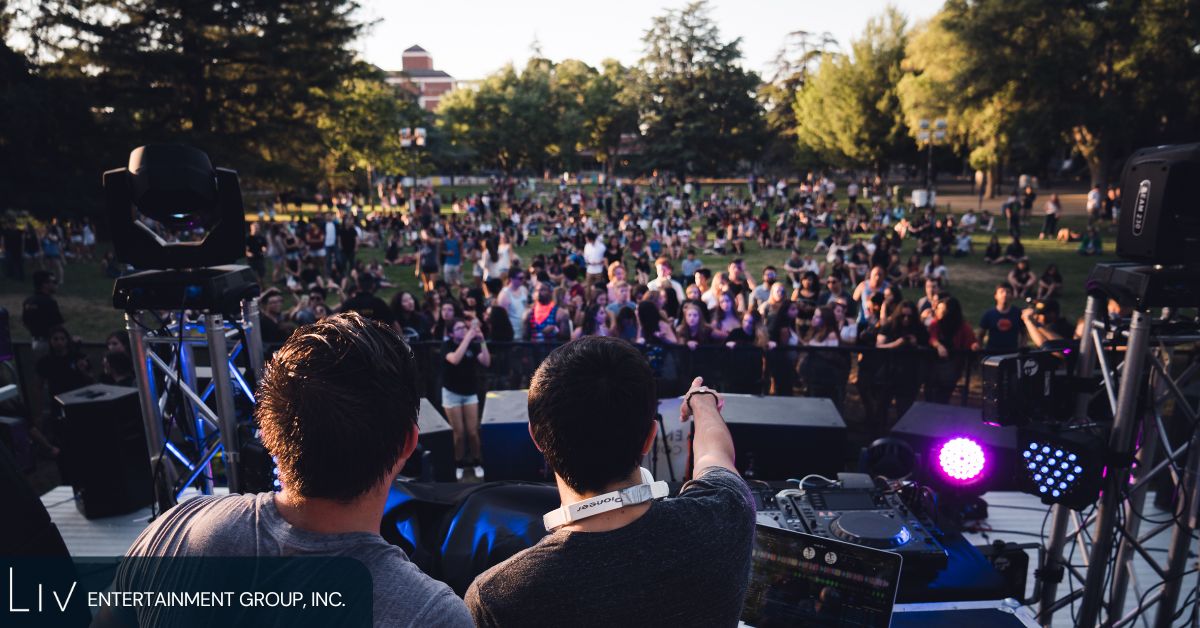
Festival DJs play at large-scale events, and it’s their job to keep their massive audiences captivated with their energetic sets. The major difference between a festival DJ and a club DJ is the number of people they perform for and the venue.
Club DJs focus on a small group of people within an indoor venue, whereas festival DJs often cater to thousands of people at a time. They also use much more advanced equipment than your average club DJ and have more elaborate setups.
Festival DJs craft their performances to match the grandeur of the occasion, which is why they are filled with dramatic transitions and crowd-pleasing drops. However, their sets are much shorter than those of other DJs because their performances are usually part of a larger lineup.
Resident DJ
A resident DJ is just one who performs regularly at a specific venue, such as a nightclub, lounge, or resort. Their main responsibility is to set the tone of the establishment and maintain a consistent vibe that aligns with the venue’s brand.
Unlike guest DJs, resident DJs build long-term relationships with their audience and create a familiar experience for regular visitors. They play an essential role in maintaining a venue’s energy, with changes only occurring when a thematic or seasonal event is taking place.
Wedding DJs
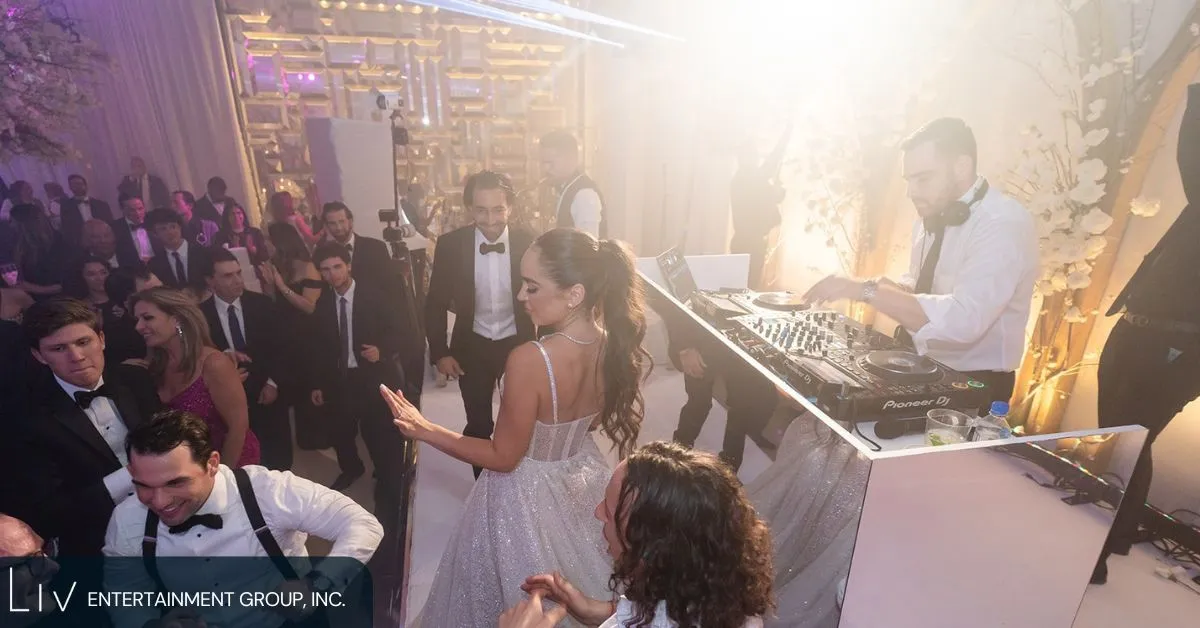
Wedding DJs are DJs who specialize in playing at weddings. Most couples will opt for a DJ with extensive experience playing at weddings instead of a DJ with general experience. We encourage this because a wedding is more than a party but rather a deeply personal gathering. Hence, working with an experienced wedding DJ gives you the luxury of working with someone who knows how to navigate the flow of a wedding.
A great wedding DJ must know how to use their musical expertise to manage the timing of an event and maintain the perfect ambiance throughout the ceremony. The peculiarity of wedding DJs, when compared with their counterparts, is the emphasis that is placed on their ability to transition from one event to another.
Turntablist/Scratch DJ
Turntablists, also called scratch DJs, are specialized disc jockeys who use vinyl records and turntables as instruments to mix music. These DJs often experiment with different music genres, adding a more dynamic twist to their performances. The main difference between scratch DJs and other DJs is that they focus on scratching and beat juggling to keep guests entertained.
Scratch DJs love to showcase their skills in environments where creativity and technical ability are appreciated, such as DJ battles, hip-hop events, and nightclubs.
Different Types of DJs by Genres

To create immersive experiences for their audience, DJs who focus on genre focus on mastering the specific music styles within that genre. Below, we highlighted some popular and not-so-popular DJ types by genre:
Electronic Dance Music (EDM) DJs—These DJs have dominated clubs and festivals thanks to their ability to enthrall an audience with their high-energy beats. They often specialize in genres like techno, house, and trance. Their most valuable skill is their ability to seamlessly blend tracks and create a continuous flow of music that keeps a crowd engaged for hours.
These types of DJs can be further categorized into house DJs and techno DJs. House DJs are popular in lounges and clubs because of their focus on melodic beats with steady tempos. Techno DJs, on the other hand, are a staple in underground venues and festivals thanks to their more intense sounds with basslines and hypnotic loops.
Both house and techno DJs bring a unique mastery of the overall EDM genre in a way that continues to keep the nightlife world alive.
Hip-Hop DJ – Hip-hop DJs are easily regarded as the masters of turntablism and scratching. Their artistry lies in blending classic hip-hop tracks with fresh beats, often incorporating live MCs to energize the crowd.
Rock DJs – You’ll most likely find one at a rock radio station or a live event. In addition to mixing rock tracks, these DJs also incorporate DJ techniques such as looping or sampling. Some even try to integrate live instruments in an attempt to bridge the gap between traditional rock music and modern DJ performances, adding versatility to their set performances.
Pop DJs – These DJs are popular for playing mainstream hits, which allows them to cater to large audiences at events or parties. Their sets seamlessly blend various pop sub-genres, which is what makes them so appealing. Pop DJs are skilled in creating feel-good atmospheres that resonate with a broad range of listeners.
Classical DJs – One may refer to classical DJs as a unique set of innovators who have found a way to create a genre-defying sound by blending classical music with electronic beats. Though this musical style is unconventional, it brings a fresh perspective to how traditional music can be enjoyed in a modern setting.
Dubstep DJ – Dubstep DJs are masters of curating high-energy sets that feature heavy bass drops and syncopated rhythms. Known for intricate sound design, dubstep DJs create immersive sonic experiences that dominate the underground and festival scenes.
Reggae/Dancehall DJ – These DJs specialize in Caribbean rhythms and are gifted in blending reggae and dancehall tracks. To add to their portfolio, you will often see them experimenting with dub techniques or remixes in their spin. Their sets bring vibrant energy to parties, celebrating the rich cultural roots of these genres.
How to Choose the Right DJ for Your Event?

Selecting the ideal DJ for your event guarantees that the music and ambiance complement your vision, making it an unforgettable experience for every visitor. Here’s our easy 5-step approach to finding the right DJ:
-
Define the Event Type
Start with determining what type of event you’d be hosting, whether it’s a wedding, birthday party, or festival. The requirement for each one is unique, so knowing your event type will help you choose a DJ that aligns with your vision.
-
Check Their Experience
A DJ’s track record speaks volumes about the quality of their work. It’s best to work with professional DJs with a lot of experience in performing at events similar to yours. We encourage you to request references, testimonials, or a portfolio so you can verify that your DJ can handle your event’s specific demands.
-
Listen to Their Mixes
To assess your DJ’s ability to transition between tracks and gauge their ability to engage an audience, you should listen to their sample mixes or watch videos of their live performances. This preview helps you envision their impact on your event.
-
Discuss Song Preferences
Remember that communication is key. Share your must-play and do-not-play lists, ensuring the DJ is adaptable to your preferences while maintaining the event’s flow.
-
Confirm Availability and Costs
Make sure you verify your DJ’s availability for your date and discuss pricing in detail. Pay special attention to the details like overtime hours, travel, and additional services to avoid any surprises.
How Much Does a DJ Cost?

On average, a DJ charges between $265 and $550 or more per hour depending on several factors, such as their experience and the duration of your event. For specialized services the rates could be higher, for example, the average cost of a wedding DJ ranges from $1,500 to $20,000. Professional DJs typically charge higher rates, but their expertise and skill justify it!
Some factors that can influence DJ pricing include the size of the event, the equipment required, and the DJ’s reputation. Travel expenses and additional services like emceeing could also drive up costs.
When budgeting, prioritize quality and experience to ensure your event is unforgettable, as the DJ plays a critical role in its success.
Ready to Set the Perfect Vibe for Your Event with LIV’s DJs?
DJs play an important role in the entertainment industry, and each type brings a different set of skills to the table. From club DJs with their energizing nightlife performances to wedding DJs who are masters of curating memorable moments, each one contributes something special to your event.
We encourage you to hire a DJ that aligns with your interests and event needs. Not sure where to start? LIV Entertainment Group offers a free consultation to help you find the perfect match. Visit us in person at LIV Entertainment Group. Let’s make your event unforgettable!