
Why Do Bands Play Faster Live?
Attending a live concert is always an exciting experience. The dim lights, screaming fans, and your favorite band standing in front of you all contribute to that excitement. But, if you’re a good listener, you might have noticed that many bands play their songs faster live. Typically, this is because of increased adrenaline and enthusiasm during live performances.
The feeling of excitement rushing through the musicians and the crowd creates an electrifying state that makes the band unconsciously play faster. But, there are other reasons why a band might not play at the same tempo as their recordings, such as that they might be legally obligated to do so or they are speeding up due to technical difficulties.
As experts in the entertainment industry we undertand the significance of creating memorable live experiences. That’s why LIV Entertainment goes the extra mile to capture the energy level of live shows while delivering top-tier sound quality. Be it an intimate gathering or a fun-filled festival, we make sure your event exceeds your expectations. Book a consultation to make your event extraordinary.
In this blog, we’ll go over the possible reasons why bands tend to play faster during a live show and how it can impact your overall experience.
Reasons Why Live Performances Sound Faster

A band might decide to play faster or unintentionally end up doing so for various reasons, such as being too excited or nervous. Here, we explore some common reasons why many musicians pick up the pace during live performances.
1. Adrenaline and Energy Level Boost from the Audience
Like pro wrestlers, athletes, and other entertainers, band members feed off the audience’s energy. Musicians describe the thrill of playing live as a rush of energy that pushes them to give a performance everything they’ve got. This natural high leads to playing with more energy, so as a result, the tempo of their performance may come out slightly faster than their recorded versions. Additionally, research by the NIH has shown that the increased level of engagement of the audience through actions like head movement can create the perception that songs are being played faster.
2. Adapting Songs on Stage
Live performances are constantly evolving, with bands often adding new parts or changing the tempo of their shows. Doing this gives them the freedom to experiment with the different ways a song could sound; you see a lot of this in genres like rock and jazz. Even in other genres, bands like to tweak their music to sound more energetic, which is why live versions often get played faster.
3. Getting Through Many Songs in a Limited Time Frame
Many concerts, like festivals, have strict schedules. To get as many songs as possible into the limited set time, musicians usually opt for singing their songs at a slightly faster tempo. This helps them play all your fan-favorite songs without exceeding the scheduled time.
4. A Team Member is in a Bad Mood
At the end of the day, performers are people just like us, and that means they can have bad days, too. For reasons such as fatigue, illness, or some personal stress, a band member might not be interested in the performance they have lined up for them. Because of this, they might unintentionally or even deliberately play faster to get over the show faster. While this doesn’t happen often, it’s a human factor that should still be considered.
5. Security or Management Staff Influence
Believe it or not, the security staff and venue managers also have a role to play when it comes to a band’s playing speed. They might push the band for faster performances to keep the crowd under control during intense moments like mosh pits. Additionally, many venues have strict curfews, so security or management might signal the band to wrap things up to avoid breaking any rules.
Why Do Live Performances Sound Bad?

In some cases, when bands perform live, they may sound less polished or downright bad, and there are multiple reasons for this.
The first reason is poor venue acoustics. Not every building is designed to optimize sound quality. Echo, reverberation, and poor sound insulation are common problems that can make it more difficult to hear the band clearly. In an open space or a venue with an awkward layout, sounds can bounce around and lose clarity. All these contribute to a poor listening experience for the audience.
Another common reason why live shows sound worse than studio recordings is because of faulty or poorly adjusted equipment. The microphone levels, speaker placements, and overall mix of the equipment with vocals all come together to create a good live sound. If any of these aren’t handled properly, even the most talented band will sound off during a live performance.
Inconsistent performance by band members is another factor that could mess up a live show. When recording a song’s studio version, any mistakes can be edited or corrected with multiple takes. Live shows are unpredictable and raw, so a missed note or an overly enthusiastic teammate could cause the sound to falter.
Another reason to consider is environmental distractions such as a loud audience and outdoor elements. During events like festivals, the noise from the wind or vehicles passing by could distort the sound. This creates the impression that the show didn’t live up to its studio expectations.
Why Do the Songs Sound Different Live?
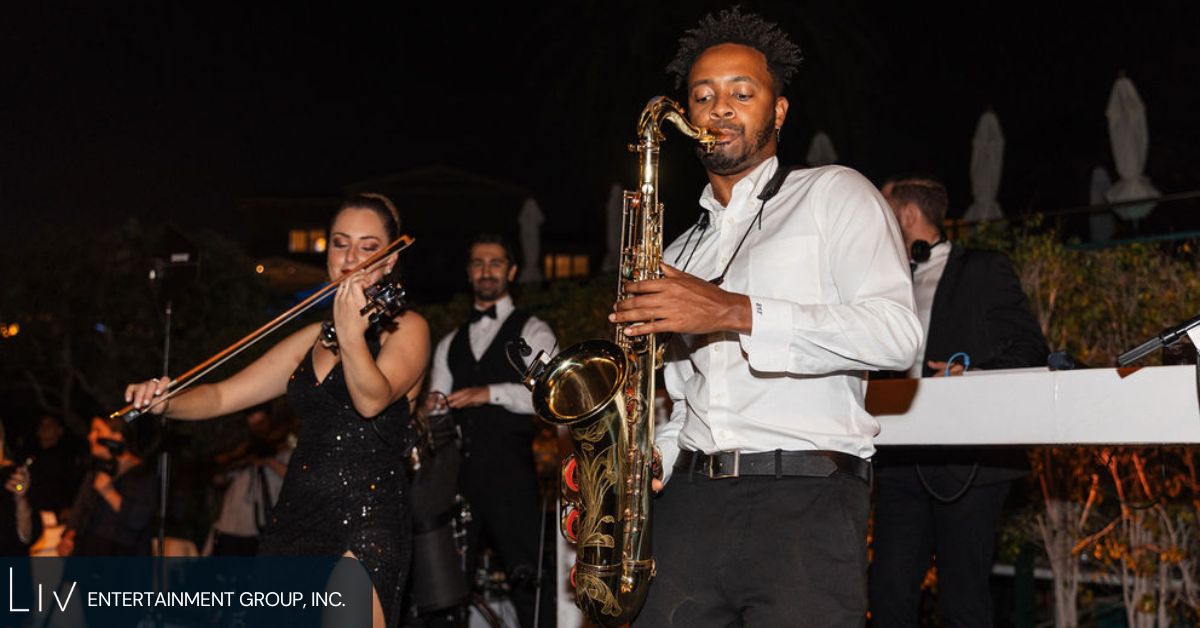
It’s normal for fans to notice that the songs don’t sound like they did on the recorded versions of their albums. One major reason for this difference is that musicians sometimes switch instruments during their performances. For example, to sing and perform a softer version of a song, a guitarist could drop their electric guitar for an acoustic one. Changes like this can significantly alter the tone and overall vibe of the song played.
Another factor that contributes to bands playing differently when live is that they might be experimenting with genres. Live performances are an opportunity for musicians to explore new styles that aren’t present in their recorded work, often resulting in sound changes that fans can pick up.
Technical difficulties are another thing that can impact how live music sounds. Microphone failures, imbalanced audio levels, and system malfunctions are all possible reasons why a band could sound less polished on stage. In situations like this, performers have to adapt to the situation, and this often results in a more unrefined version of their music.
Why do Bands Play in a Lower Key?

Have you ever heard your favorite band play your favorite song but realized it was in a different key? They might have played half a step or even a whole step lower or higher, and you realized it was intentionally done. Well, there are many reasons why bands may play at a lower key or a dramatically different volume.
A primary reason why bands play at a lower key is to save energy. Live performances are physically and mentally taxing for musicians, and in some cases these performances can last for hours. When they sing at a lower pitch, they use less energy, and this can make it easier to hit the high notes when necessary.
Another reason bands might play at a lower key live is to engage with the audience more. When a band plays at a lower volume, it allows the audience to feel more connected to and involved in the performance. This is particularly effective during moments of audience participation or sing-alongs, where a lower key makes it easier for everyone to join in.
Lastly, bands might play a lower key live because they want to create a certain mood or feeling. By playing songs at a lower volume, bands can tap into different emotions and evoke contrasting feelings in the audience.
In these cases, playing at a lower key can help create a sense of sadness, nostalgia, or even anger, which can be very effective in live performances.
Why Do Bands Sometimes Play Slower Live?
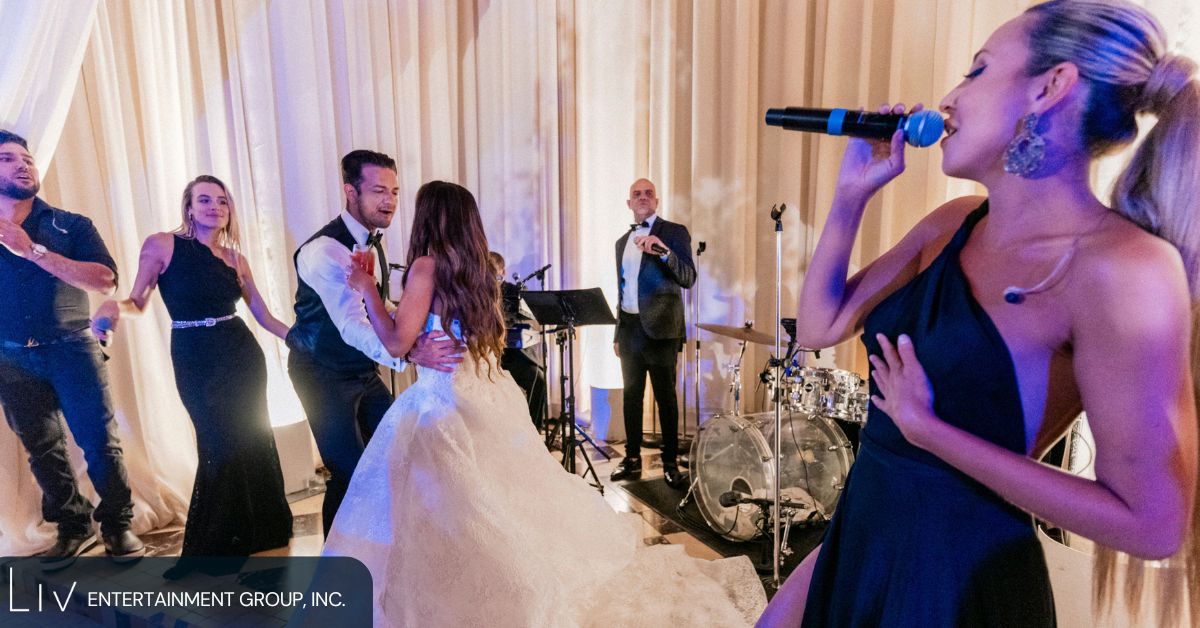
We’ve discussed how bands can often play faster, louder, or differently than the recorded version of their songs. But there are also times when they choose to play at a slower pace. This decision can enhance the overall feel of the concert in many meaningful ways.
-
Emotional Impact: A major reason why bands play slower at live performances is to draw out the emotions of the crowd. This decision is incredibly impactful if the song is slower or quieter, as this lends itself well to a more dramatic or meditative performance. If the song is more meaningful and deep, slowing it down and having people genuinely soak in the lyrics can be an intensely powerful move.
-
Ease of Singing Along: Another reason bands might play slower live is that they want the audience to be able to sing along. Slowing the song can be effective if the audience knows all the words to the music, but it’s usually a faster-paced song that’s hard to keep up with. Instead of having the audience mumble the words, a band might decide to slow it down a bit so that everyone can keep up. This also allows for a more intimate experience, as the audience feels like they’re part of the performance.
-
Create Contrast: Bands might play a particular song slower live to create contrast. An example of this is a metal or rock band playing a softer version of their typically intense songs. Many bands might do this if they have a lot of energy in their other songs and they want to use a slower song as a moment of calm or respite. It’s also an excellent excuse for the band to cool down and take a slight break without breaking up the show.
-
Demonstrate a Different Side of the Song: Performing a song slower can also show a different side of the music. Many songs can take on a whole new attitude and meaning when slowed down. Similar to playing a song with different instruments or switching up the genre, slowing down a song allows the band to showcase their versatility. It can also add a new layer of depth to the song, making it more interesting and complex than even their biggest fans could imagine.
Want to Experience the Thrill of Live Music?
Bands can sometimes sound different from the studio versions of their albums when they play live. This happens for various reasons, such as time constraints and the need to fit more songs into their setlist. Other times, it could simply be the adrenaline rush from watching the crowd dance and cheer. Whatever the case, these factors contribute to the fresh energy these musicians bring to their performances.
A live performance comes with challenges and opportunities. At LIV Entertainment, we understand how important it is for bands to be adaptable. If you’re looking for a live band that can adapt to any situation and keep your audience engaged, we’re here to help. Reach out and connect with the perfect band to make your event unforgettable.
Frequently Asked Questions
What is the best genre of live music for a concert?
A 2023 survey found that US adults enjoyed classic rock concerts the most. Pop concerts were the second most popular choice, followed by country music.
How do I enjoy a concert?
Learn as much as you can about the musician or band beforehand. It also helps to listen to their music and past performances to help you fully appreciate the setlist and join in the fun by singing along.
How to protect your hearing during concerts?
One good preventive measure against ear damage is to wear ear protection, such as earplugs. Earplugs designed for concerts reduce the volume without distorting the sound quality. We also suggest standing away from the speakers and taking several breaks from the loud environment.
Do bands lip-sync live?
While there are a few exceptions, bands generally don’t lip-sync to their songs live. That being said, there are a couple of reasons why a singer or a band might opt to lip-sync, such as if they have a very physically demanding dance to perform on stage that would prevent them from singing properly or if they are experiencing technical difficulties but don’t want to stop the concert and ruin the overall atmosphere of the event.