
What Are the Biggest Struggles for Corporate Event Planning?
It’s always exciting having to plan for a corporate event, but what many people do not anticipate are the struggles that come with the event planning process. Typically, corporate events aim to foster company culture, encourage networking opportunities, and boost brand recognition. Some examples of these corporate events include large-scale conferences, team retreats, end-of-year parties, etc.
However, even the most seasoned planners face hurdles that can impact an event’s success when planning for a corporate event. Some of these event planning challenges include budget management, vendor coordination, venue choice, and attendee engagement.
At Liv Entertainment, we have years of experience in creating unforgettable moments, including corporate party entertainment! We specialize in coming up with tailored entertainment solutions for your event. Planning your next corporate event? We got you covered! Contact us now!
In this post, we will cover the top struggles you will encounter in corporate event planning and solutions for overcoming these hurdles. We will also share some best practices for planning future events.
Why Is Planning for Corporate Events Important?

We like to describe corporate event planning as a structured process. Whether you’re organizing a product launch, conference, team-building activity, or annual meeting, a well-thought-out planning process is required to help meet business objectives while delivering value to event attendees and stakeholders.
In planning a corporate event, you will be involved in managing all aspects of the event. It includes budget management, logistics, vendor coordination, event marketing, etc.
However, the success of any corporate event hinges on starting the planning process early. This is because a scalable event planning process allows event managers to anticipate potential challenges, such as budget constraints, scheduling conflicts, etc. When you start planning your event early, you have enough time for contingency planning, clear communication, and smooth event logistics.
The Biggest Struggles for Corporate Event Planning
Planning a corporate event involves juggling multiple tasks, from managing budgets and coordinating logistics to ensuring attendee engagement. A well-structured event management process is essential for overcoming event planning challenges and delivering a successful event.
Below are some of the biggest struggles faced by corporate event planners and practical solutions to ensure the smooth execution of your next event.
1. Sticking to the Budget

One of the biggest challenges you will face as a corporate event planner is sticking to budget. There is a high chance of overspending on venues, catering, and decorations. These are costs that often derail previous event budgets.
To stick to your budget, we recommend that you create a detailed budget early in the planning process and track expenses. You should also prioritize essential costs like venue and entertainment over unnecessary extras.
Furthermore, when planning a corporate event, negotiate with vendors for discounts and flexible payment terms. For entertainment, hiring professional entertainment services, such as DJs or live music for corporate events, can offer dynamic experiences that fit within a planned budget.
2. Staying on Event Schedule
It can also be hard balancing day-to-day work with the event timeline, leading to missed deadlines. To ensure this does not happen, you should set clear schedules using project management tools like Trello or Asana.
It is also helpful to delegate tasks to team members or hire professional event managers. In addition, use tools like Google event calendars to keep the team aligned.
3. Handling Vendor Logistics
Dealing with unreliable vendors and supply chain delays can also disrupt event logistics. One way to ensure this does not happen is to build strong relationships with trusted vendors. You also need to maintain backup options for key supplies. Similarly, you should confirm all vendor details well in advance of the event date.
4. Engaging Attendees

As with any event including corporate events, attendees may lose interest or fail to actively participate in event activities. When this happens, it dampens the mood of the event.
When planning a corporate event, plan interactive sessions like Q&A or live polling to boost participation. It is also helpful to offer incentives such as giveaways or networking opportunities. You can use an event app to keep attendees informed and engaged throughout the event schedule.
5. Dealing with Insufficient Staff
A lack of staff can lead to task mismanagement and event mishaps. Therefore, you need to hire temporary staff or enlist volunteers to manage event logistics. While at it, ensure that you assign clear roles and responsibilities before the event begins. You should also train staff on how to handle potential challenges on-site.
6. Choosing the Right Venue
Finding a suitable venue that meets event planning needs like size, style, and budget can be challenging. That is why you need to start venue selection early to secure availability.
We recommend that you visit venues in person to assess amenities and logistics. You should also have a backup venue ready for unforeseen event challenge situations.
7. Last-Minute Changes
Unexpected cancellations, technical glitches, or weather problems can disrupt the event management process. As a corporate event planner, you should create a contingency plan for these issues. You need to build a crisis response team to address unexpected issues quickly. Even on the day of the event, conduct a final check to identify and resolve any potential event mistakes.
8. Securing Event Sponsorships
Attracting future sponsors who align with the event’s goals can be difficult. Hence, you need to craft compelling sponsorship proposals that showcase audience demographics and branding opportunities.
In your proposals, you should highlight past successful events to help build confidence. It also helps to offer tiered sponsorship packages to suit different budgets.
9. Selecting the Right Music for the Event

During corporate event planning, you should choose music that resonates with the audience and the event theme. To do this, you need to understand the audience and select music that aligns with the event’s purpose. For example, it could be jazz for formal galas or upbeat pop for networking events.
We recommend that you hire professional entertainment, like live bands or DJs, for a memorable experience. However, if you are on a budget, you can use curated playlists that fit the occasion.
10. Organizing Catering and Gifts
Some of the issues that will surface here include managing dietary preferences and allergies and choosing the right event gifts. A viable solution here is to confirm attendee headcounts early to avoid over or under-ordering.
You should also work with caterers who are experienced in handling diverse dietary requirements. Additionally, opt for universal gift items that work for all demographics, like branded merchandise or gift cards.
11. Tracking Event Success
For any corporate event, it is important to measure whether the event met its goals and identify areas for improvement. To do this, set clear KPIs such as attendance, engagement, and feedback scores.
Then, use post-event surveys to gather insights from event attendees. Furthermore, analyze the data to inform future events and optimize your structured event management process.
Best Practices for Planning Future Events

One of the best practices for planning future events is to define clear objectives, as unclear goals often result in disorganized events and wasted resources. You need to set measurable KPIs to track progress.
Another helpful practice is to leverage technology. Managing multiple tasks manually can overwhelm event planners, especially when they face tight deadlines. We recommend using event management software tools to automate schedules, manage budgets, and track tasks.
Furthermore, outsource certain tasks to professional planners. Event managers often juggle planning duties alongside their primary roles, which increases responsibilities. Therefore, you can outsource specific tasks like managing event activities, entertainment booking, or catering for seamless execution.
In addition, learn and evaluate. Failing to gather feedback or reflect on the event planning process hinders future improvements. You should send out post-event surveys to gather insights from event attendees, sponsors, and vendors. Use these findings to refine your strategies and plan for the next events.
Tips for Choosing the Right Music for Your Corporate Event
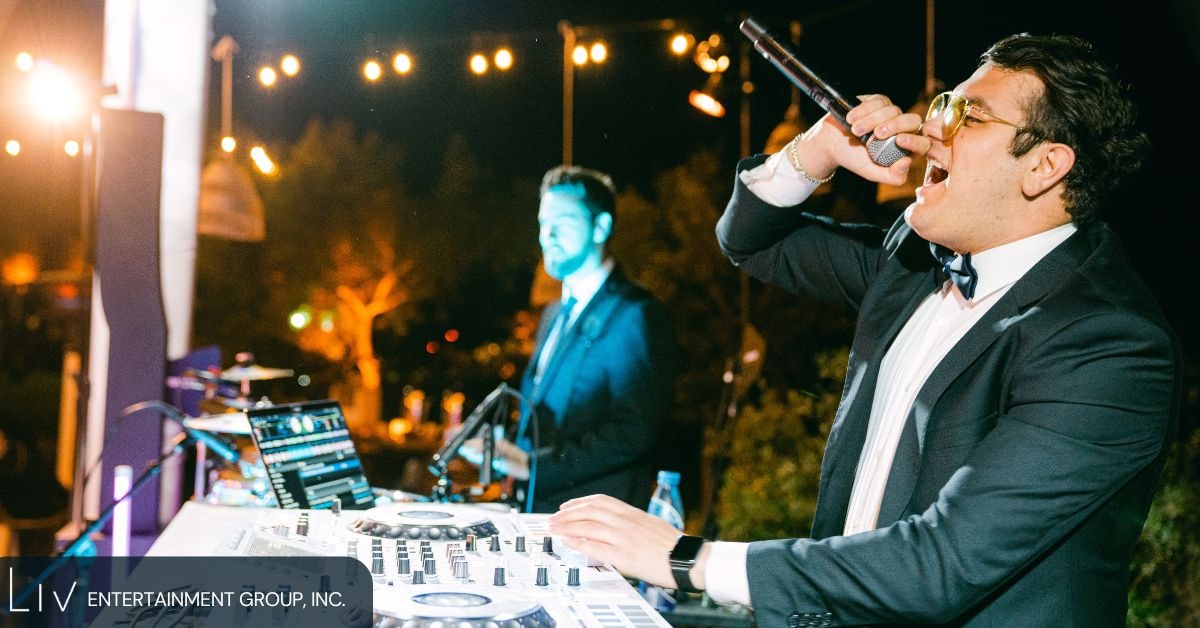
In choosing the right music for your corporate event, you should consider the audience’s preferences. This is because the right music resonates with your attendees and keeps them engaged, and ignoring your audience’s tastes can dampen the event’s atmosphere. For a younger audience, contemporary hits or upbeat mixes might work well, while older professionals may prefer classics or smooth jazz.
You should also customize the playlist to fit your brand, as the music needs to align with your company’s identity and the event’s purpose. For formal events, opt for instrumental or ambient music to maintain a professional environment. On the other hand, high-energy product launches or celebrations may call for upbeat, energetic tracks to inspire excitement.
For a corporate event, you would have to choose between a live band or a corporate event DJ, depending on your event’s style, budget, and goals. Typically, live music provides an interactive experience and creates a more personal connection with the audience. However, it requires more space, equipment, and a higher budget. On the other hand, DJs are more cost-effective and offer a wide range of music to suit diverse tastes.
Another tip to consider when choosing your music is the venue’s size and acoustics. This is because music that works well in one venue may fall flat or overwhelm in another due to event spaces’ size and acoustics. For large venues, live bands or professional DJs with high-quality sound systems are ideal to ensure balanced audio. However, smaller venues may benefit from acoustic sets or carefully curated playlists to prevent overpowering the space. We recommend that you work with venue managers to understand the space’s acoustic limitations and determine the best music setup.
Need to Ensure Your Corporate Event Is Unforgettable?
Corporate event planning comes with its fair share of challenges. From managing event budgets and vendor logistics to engaging event attendees and dealing with last-minute changes, these struggles can feel overwhelming. But, with the right strategies, planning tools, and mindset, success is within reach.
At Liv Entertainment Group, we can help you take your event to the next level! Whether you’re looking for dynamic live music or a professional corporate event DJ, our team specializes in creating memorable moments that align with your vision and audience. Contact us now for a free consultation.
Frequently Asked Questions
What Is the Difference Between An Event Manager and An Event Planner?
An event planner makes plans that are geared toward the preparation of an event. However, an event manager is in charge of executing these plans and coordinating everything on the day of the event.
What Is the Most Challenging Aspect of Event Planning?
You will face a number of challenges when planning for an event, especially a corporate event. However, the biggest struggle is budgeting and meeting up with deadlines.
Why Is Event Planning So Hard?
Event planning tends to be hard because there is a lot to be done, and most of the time, event planners or managers do not delegate tasks.