
Gala Dinner Planning For Corporate Events
Gala dinner planning for corporate events isn’t just about food and décor. It’s about creating a night that wows your guests, strengthens business relationships, and leaves a lasting impression. Typically, it involves balancing the right venue, a standout menu, dazzling décor, and entertainment that keeps guests talking long after the night ends.
Ready to turn your gala dinner into a show-stopping success? Liv Entertainment brings the music, the vibe, and the unforgettable performances your corporate event deserves. Contact us now!
In this blog, we’ll walk you through the essentials of gala dinner planning for corporate events—venue selection, menu curation, theme ideas, entertainment choices, and insider tips for keeping your guests engaged and impressed from start to finish.
What Is a Gala Dinner for Corporate Events?

A gala dinner for corporate events is a formal event designed to celebrate achievements, connect with industry partners, raise funds, or simply leave a lasting impression on guests. Unlike a casual sit-down dinner, such an event is carefully crafted through gala dinner planning to create a memorable event that blends elegance, entertainment, and purpose.
A successful gala often begins with a drinks reception, followed by a diverse menu or food stations that cater to dietary restrictions. It may also include fundraising activities like silent auctions, ticket sales, or logo displays to engage potential sponsors and raise awareness for a nonprofit organization or cultural event.
Corporate gala dinners are full-scale gala events with a theme that ties together event design, décor, and entertainment. Whether it’s a black-tie dress code affair, a masquerade ball with modern flair, or a cultural celebration, the planning process requires careful consideration.
The strategy includes thinking of venue selection, the venue’s reputation, and the support of venue managers and event staff to provide guests with an exceptional dining experience. Adding interactive elements like photo booths, a live band, live music, or a dance floor ensures the event experience goes beyond the dinner table.
To create a truly memorable experience, an event planner may incorporate a keynote speaker, motivational speakers, or even an awards ceremony that captures press coverage and strengthens relationships with local businesses and potential attendees. Balancing event costs, fundraising goals, and ticket prices is essential, while recruiting volunteers helps manage logistics. With the right entertainment, audiovisual elements, and photo opportunities, a corporate gala transforms into a successful gala that not only meets fundraising or networking objectives but also provides guests with an engaging atmosphere that they’ll remember long after the night ends.
What Are the Key Steps in Gala Dinner Planning?
Pulling off a successful gala dinner isn’t about crossing your fingers and hoping for the best. It’s about following a clear planning process that turns a formal event into a memorable experience. Think of it as weaving together the essential elements, such as venue, food, entertainment, and atmosphere, into one seamless, show-stopping event.
Here’s what you should do:
1. Begin Planning Early: The sooner you start planning, the smoother the journey. Early timelines give you a better shot at securing the right venue, booking entertainment, and keeping event costs under control.
2. Define the Event’s Theme and Purpose: A gala’s theme sets the tone for everything from décor to dress code. It could be a black-tie dress code, a masquerade ball, or a modern flair theme. Tying the purpose to the event design ensures guests enjoy a consistent, memorable event.
3. Nail Down Venue Selection: Your venue’s reputation matters just as much as its look. The ideal venue should fit your guest count, accommodate a sit-down dinner or food stations, and offer space for interactive elements like a dance floor, photo booths, or live band performances.
4. Curate a Diverse Menu and Drinks Reception: Food is always a headline act at gala dinners. Work with venue managers or caterers to create a dining experience that caters to dietary restrictions, blends creativity with sophistication, and pairs beautifully with a drinks reception.
5. Book the Right Entertainment: Entertainment transforms a formal event into an engaging atmosphere. Consider live music, a motivational speaker, a keynote speaker, or even awards ceremonies to keep guests energized throughout the night.
6. Plan Fundraising Activities (If Applicable): For nonprofit organizations or cultural events, fundraising activities like silent auctions, ticket sales, or logo displays are essential. These elements help raise awareness, achieve fundraising goals, and provide guests with interactive moments.
7. Focus on Guest Experience and Event Design: Event planning is all about how you make people feel. Creative event design, audiovisual elements, photo opportunities, and engaging event staff all contribute to providing guests with an unforgettable event experience.
8. Manage Event Costs and Logistics: Behind every memorable experience is solid coordination. Collaborate with your event planner, venue managers, and volunteers to balance ticket prices, save money where possible, and ensure every detail—big or small—is handled seamlessly.
How to Choose the Perfect Theme for a Corporate Gala
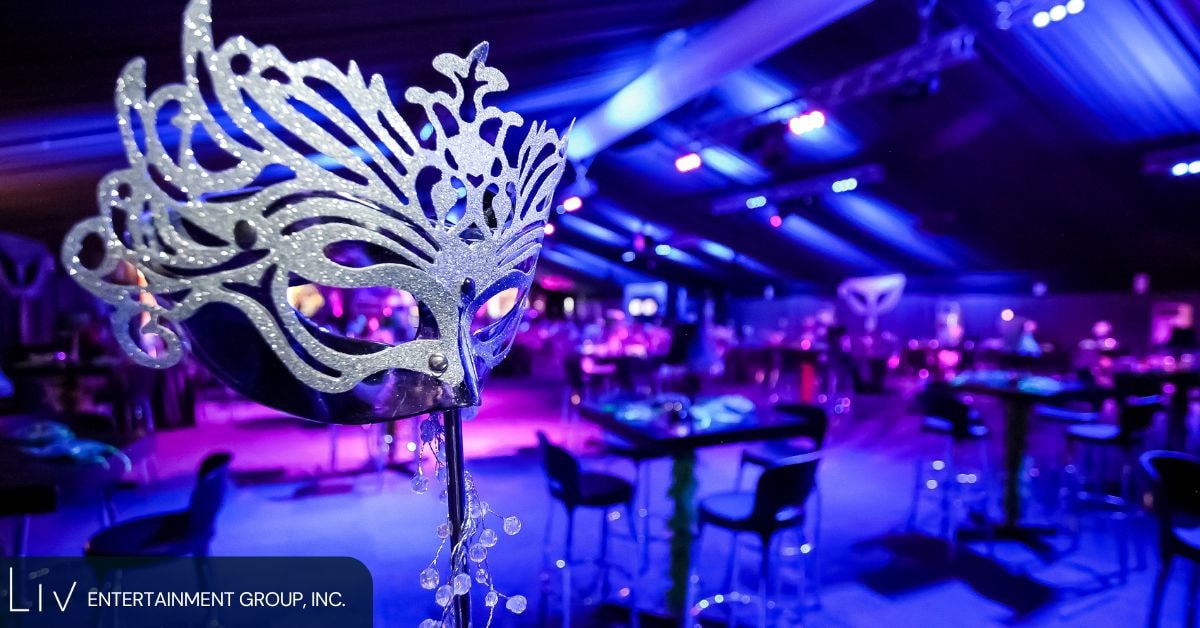
The first step is to think about the purpose of your gala. Are you celebrating achievements, raising funds for a nonprofit organization, strengthening relationships with industry partners, or hosting a cultural event to raise awareness? The theme should always echo the “why” behind such an event. For instance, an awards ceremony may call for timeless elegance and a black-tie dress code, while a fundraising gala could lean on a more interactive atmosphere with silent auctions, photo booths, and live music to encourage engagement.
It’s also crucial to know your guests. Executives and senior professionals may expect a refined, sit-down dinner with formal event design, while a younger or more creative crowd might appreciate modern flair, interactive elements, or even a bold masquerade ball. The key is to choose a gala’s theme that provides guests with an engaging atmosphere while still aligning with your brand identity and mission.
Your chosen theme should also complement your venue. The right venue can make or break the concept. A glamorous ballroom naturally suits a sophisticated corporate gala, while a modern loft or industrial space is perfect for a sleek, contemporary design. Venue managers can guide you on whether the space works for your vision, whether that means accommodating food stations, a dance floor, or a live band.
Don’t forget to weave in your brand identity and storytelling. The best themes go beyond decoration and serve as a platform to showcase your company’s values, culture, and mission. Incorporating logo displays, motivational speakers, or audiovisual elements tied to the gala’s theme can strengthen the event’s message and make a lasting impression on both guests and potential sponsors.
While creativity matters, practicality is equally important. Consider event costs, ticket prices, and the support available from event staff and recruited volunteers. A theme that requires elaborate staging and eats into your fundraising goals may not be worth it. Sometimes, simple event design, when executed well, achieves the same impact without straining resources.
Guest experience should sit at the heart of the planning process. Every detail, from the drinks reception and diverse menu to entertainment and photo opportunities, should feel consistent with the gala’s theme. A cultural event might feature traditional dining and live music, while a futuristic concept could lean heavily on interactive elements and cutting-edge audiovisual displays.
Finally, ask yourself whether the theme will stand the test of time. Some modern concepts might seem exciting now, but risk feeling outdated by the event date. Timeless themes, such as black-tie elegance or classic cultural celebrations, often leave a stronger impact and ensure guests feel they’ve been part of a carefully curated and thoughtful evening.
What Entertainment Works Best for Gala Dinners?
Entertainment is the secret ingredient that transforms a gala dinner from a standard event into a memorable experience that leaves a lasting impression on guests. Beyond the diverse menu, drinks reception, and glamorous décor, the right entertainment builds an engaging atmosphere, encourages interaction, and sets the tone for the entire evening. When done well, it complements the gala’s theme, keeps energy levels high, and ensures guests are talking about the event long after the dance floor has cleared.
Here are some entertainment options to incorporate into your gala dinners:
Live Music and DJs
Nothing creates ambience at a corporate gala quite like live music. A live band can tailor the event experience from start to finish. For example, soft jazz or classical music during the drinks reception, smooth background melodies throughout the dining experience, and upbeat dance numbers once the awards ceremony or speeches are wrapped up.
Live music gives a cultural event or black-tie affair a sense of sophistication while also providing a human touch that connects with guests on an emotional level. For a modern flair, some gala dinners opt for electric violinists or themed performances that tie directly into the gala’s theme, making the event design feel seamless.
DJs, on the other hand, bring versatility. They can read the crowd and adjust the playlist to keep the dance floor buzzing or provide mellow tunes during quieter parts of the evening.
Booking the right entertainment, whether live music or a skilled DJ, ensures that energy never dips and guests leave with a memorable experience. A strong partnership between event planners, venue managers, and entertainment providers is key to creating the perfect flow.
Speeches and Awards
Speeches and awards are often the heartbeat of gala dinners, especially for corporate events or fundraising goals tied to nonprofit organizations. A keynote speaker or motivational speaker can inspire the audience, align with the event’s purpose, and add a layer of significance that simple entertainment cannot achieve.
This aspect is where a gala transforms into more than just a formal event. It becomes an opportunity to raise awareness, highlight achievements, and strengthen connections with industry partners and potential sponsors.
Awards ceremonies provide recognition and make guests feel valued, creating emotional buy-in and enhancing the event’s reputation. Whether you’re honoring employees, donors, or community leaders, speeches and awards should be carefully planned into the event schedule to keep momentum going. To maximize impact, pair them with engaging audiovisual elements, logo displays, or press coverage opportunities. These moments leave a lasting impression and elevate the event’s theme when done right.
Interactive Elements
Guests love to be part of the action, and interactive elements are one of the most effective ways to provide guests with a memorable event experience. Photo booths with branded backdrops or themed props not only create fun social media opportunities but also double as free press coverage for your corporate gala. Silent auctions and fundraising activities are ideal for nonprofit organizations, helping raise funds while engaging potential attendees and sponsors.
Beyond the traditional, event planners are increasingly incorporating modern interactive touches like live polling during speeches, immersive cultural performances, or experiential food stations that match the gala’s theme. Interactive entertainment fosters an engaging atmosphere where guests feel like participants rather than spectators.
How to Plan Menus and Catering for Corporate Events
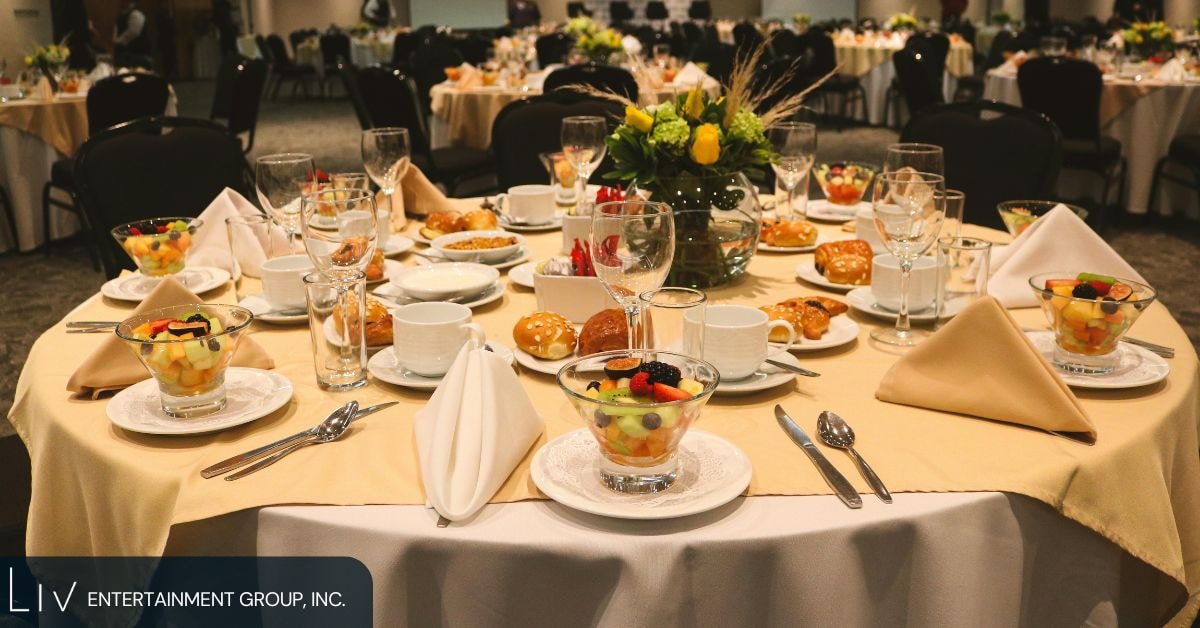
When it comes to gala dinner planning, the dining experience is one of the essential elements that can make or break the evening. Guests may forget the keynote speaker’s exact words or the details of the silent auctions, but they will definitely remember whether the food was incredible or disappointing. The secret is to treat menu planning as part of the event design rather than an afterthought.
Start by considering your event’s theme. A black-tie dinner calls for a refined sit-down dinner with a multi-course meal, while a cultural event may shine with food stations offering diverse menu options that highlight regional flavors.
Also, always account for dietary restrictions to ensure every guest feels included and cared for. Working closely with venue managers and caterers helps you tailor the dining experience, balancing creativity and practicality without letting event costs spiral out of control. Adding a drinks reception with carefully curated cocktails or mocktails can elevate the guest experience before they even sit down.
Furthermore, timing matters. Coordinate service with the event planner so the meal flows seamlessly between speeches, entertainment, or awards ceremonies. And don’t underestimate the power of presentation. Beautifully plated dishes, interactive food stations, or dessert tables tied to the gala’s theme can leave a lasting impression and even provide great photo opportunities.
How to Handle Event Logistics Efficiently
Behind every successful gala dinner is a flawless planning process that ensures guests never see the hustle happening behind the scenes. Event logistics are the invisible threads that hold the entire night together, and managing them well is what separates a stressful evening from a smooth, memorable event.
Begin planning early by locking down the right venue and confirming details like seating arrangements, audiovisual elements, and staging for entertainment or speeches. Work with venue managers and event staff to anticipate potential challenges, from load-in times for a live band to ensuring the dance floor is ready before the first song plays. Recruiting volunteers or temporary staff can help ease pressure, especially for larger events or nonprofit fundraisers with multiple interactive elements.
Communication is also everything. Create a clear schedule that outlines when catering begins, when the keynote speaker takes the stage, and when fundraising activities like silent auctions or photo booths are activated. Share this with everyone involved so the evening flows without awkward pauses.
Managing event costs is also part of logistics, so keep track of ticket sales, potential sponsors, and vendor contracts to stay within budget. Efficiency in logistics isn’t just about saving money; it’s about ensuring the night runs seamlessly from the drinks reception to the last dance.
How to Ensure a Memorable Guest Experience

At the end of the day, the success of a corporate gala comes down to how your guests feel. You can have the ideal venue, the most carefully curated diverse menu, and entertainment that fits the gala’s theme perfectly, but if guests don’t walk away feeling valued and engaged, the event won’t leave the lasting impression you want.
Guest experience starts the moment they receive their invitation. A polished registration process, smooth ticket sales, and clear communication about the dress code set expectations early. On the night of the event, every touchpoint should feel intentional. A warm welcome from event staff, a well-designed drinks reception, and seamless transitions between speeches, awards, and entertainment create an engaging atmosphere.
Interactive elements like photo booths, fundraising activities, or live music on the dance floor help guests feel like participants, not just attendees. Providing thoughtful details such as clearly marked seating, consideration for dietary restrictions, or branded keepsakes tied to the gala’s theme adds to the sense of care. And don’t underestimate the power of follow-up. You can do this by sending thank-you notes or sharing event highlights on social media. It extends the event experience and strengthens relationships with potential sponsors, industry partners, and future attendees.
A memorable guest experience is not created by one grand gesture but by layering many thoughtful touches. When everything works together, you provide guests with more than just a formal event; you give them a story they’ll be excited to retell.
Common Mistakes to Avoid in Planning Your Corporate Dinner
One of the biggest mistakes is starting the planning process too late. Gala dinner planning requires careful consideration, from venue selection to ticket sales, and rushing at the last minute often means missing out on the ideal venue or the right entertainment. Begin planning early to lock in your preferred dates, coordinate with venue managers, and keep event costs under control.
Another common misstep is ignoring the event’s theme and purpose. Without a cohesive theme, the evening can feel disjointed and uninspired. A gala’s theme should influence everything from event design and décor to the drinks reception, dining experience, and entertainment choices. Skipping this step makes it harder to create the engaging atmosphere guests expect from such an event.
Event planners often overlook dietary restrictions and menu diversity. A sit-down dinner or food stations that don’t cater to all guests can leave some people feeling excluded. Partnering with caterers and venue staff to design a diverse menu ensures the dining experience is inclusive and memorable for everyone.
Failing to balance speeches and entertainment is another common error. An awards ceremony or keynote speaker is important, but if the program drags on too long without music, interactive elements, or a dance floor, guests may lose interest. Striking the right mix keeps the energy up and makes for a memorable event.
Event logistics are another area where mistakes happen. Poor coordination with event staff, caterers, or AV teams can result in awkward pauses, technical hiccups, or scheduling issues that disrupt the flow. Successful gala dinners depend on smooth behind-the-scenes execution, so investing time in logistics planning is non-negotiable.
Lastly, many organizations underestimate the importance of guest engagement and follow-up. Providing guests with interactive elements like photo booths, fundraising activities, or silent auctions makes the evening more enjoyable. After the event, sending thank-you messages or sharing highlights on social media extends the event experience and helps strengthen relationships with potential sponsors and industry partners.
Tips for Working With Event Planners and Vendors

The first tip is to communicate your vision clearly from the start. Event planners and vendors can only deliver what they understand, so be upfront about the gala’s theme, purpose, fundraising goals, and guest experience expectations. The earlier you define the scope, the better your vendors can plan logistics, design, and costs around it.
Another important step is to set realistic budgets and expectations. Event costs can quickly spiral if financial limits aren’t clear. Work with your event planner to prioritize essential elements, such as venue selection, catering, and entertainment, while balancing extras, like photo booths or interactive elements. Vendors appreciate knowing the boundaries so they can provide options that save money without compromising quality.
It’s also crucial to do your homework before booking. Research vendors, read reviews, and ask for referrals from industry partners or local businesses. The venue’s reputation and the quality of its recommended vendors can impact your event’s success. When you find potential sponsors or suppliers, ask for proposals that align with your event design and fundraising activities. Careful vetting saves you from last-minute surprises.
Once you’ve chosen your team, build strong relationships through respect and collaboration. Treat your event planner and vendors as partners, not just service providers. Encourage open dialogue, value their expertise, and involve them in the planning process. For example, caterers can provide creative ideas for a diverse menu or food stations, while AV teams can suggest audiovisual elements that elevate a keynote speaker’s impact.
Stay organized and keep everyone aligned with timelines and check-ins. Create a detailed planning process that includes schedules for ticket sales, load-in times for entertainment, and deadlines for press coverage materials. Regular meetings or updates help avoid misunderstandings and ensure everyone is moving toward the same goals.
Finally, don’t forget the importance of gratitude and follow-up. Recognizing the hard work of your event staff, recruited volunteers, and vendors not only fosters goodwill but also strengthens relationships for future events. A simple thank-you or highlighting their contributions on social media can go a long way.
Need Entertainment for Your Gala Dinner?
The right entertainment is what transforms your corporate gala from a formal dinner into a memorable event that guests will rave about. Whether it’s live music during the drinks reception, a DJ who keeps the dance floor buzzing, or interactive elements that tie seamlessly into your gala’s theme, great entertainment ensures your evening leaves a lasting impression. With the right mix of energy, sophistication, and fun, your gala will be an experience!
Ready to elevate your gala dinner? Let Liv Entertainment bring the magic with unforgettable performances, world-class talent, and customized experiences that perfectly fit your event’s theme. Reach out to us now!
FAQ
Planning a gala dinner for corporate events often comes with plenty of questions. To help you create a successful gala that leaves a lasting impression, here are answers to some of the most common questions we get:
What Is the Format for a Gala Dinner?
A gala dinner usually starts with a drinks reception, followed by a sit-down dinner or diverse menu service, entertainment, speeches or awards, and often ends with dancing or interactive elements. The exact flow depends on the event’s theme and purpose.
What Is a Corporate Gala Dinner?
A corporate gala dinner is a formal event hosted by a business to celebrate achievements, connect with industry partners, or raise funds. It combines fine dining, entertainment, and an engaging atmosphere to create a memorable event experience.
How Far in Advance Should a Corporate Gala Be Planned?
Most successful gala dinners require planning to begin at least six to twelve months in advance. This allows time for venue selection, booking entertainment, managing event costs, and coordinating with vendors.
What Are the Best Entertainment Options for Gala Dinners?
Live music, DJs, and dance performances create energy, while keynote speakers, awards ceremonies, and interactive elements like photo booths or silent auctions keep guests engaged. The best choice depends on your event design and fundraising goals.