
Planning a Corporate Event: What To Do
Planning a corporate event starts with defining your goals, understanding your target audience, setting a realistic budget, and creating a clear plan that guides every decision from venue selection to entertainment. Whether you’re organizing a conference, corporate dinner, or networking event, planning a corporate event successfully requires structure, collaboration, and attention to the attendee experience.
At Liv Entertainment, we help companies create engaging, polished, and memorable corporate events through professional corporate party entertainment. If you’re preparing for your next corporate event and want it to feel elevated, energetic, and well-organized, our team is here to help. Contact us today!
In this post, we will discuss all the necessary aspects of planning a corporate event. At the end of this post, you will know how to make your next corporate event successful.
Why Corporate Event Planning Matters

A corporate event is a strategic opportunity for a company to connect with its audience, reinforce its brand, and create meaningful experiences for employees, partners, and potential customers. From conferences and product launches to corporate dinners and networking events, every corporate event requires intentional planning to ensure the message, setting, and experience align with business goals.
Well-executed corporate event planning directly impacts brand perception, team morale, collaboration, and networking opportunities, while also helping businesses measure ROI through engagement, attendance, and feedback. When the corporate event planning process is handled thoughtfully, it leads to a successful event that leaves a lasting impression and strengthens relationships within the local community and beyond.
Professional entertainment plays a crucial role in elevating the attendee experience by keeping guests engaged, setting the right tone, and creating moments people remember long after the big day. Whether it’s live music, a DJ, or interactive entertainment, the right entertainment transforms planning a corporate event from a standard function into a high-impact experience.
How to Plan a Corporate Event in 10 Steps
Planning a corporate event can be stressful, especially when aiming to create a memorable and impactful experience for attendees. From setting objectives to post-event review, each stage requires careful attention to detail.
The key to a smooth and successful corporate event lies in establishing a clear planning process and selecting the right team or event planners to handle the logistics. To help you navigate the complexities of event planning, here is a general guide covering crucial steps:
-
Define the event’s purpose and goals
-
Plan an event budget
-
Choose the right event venue
-
Schedule the event date and time
-
Hire a catering company
-
Create a structured event schedule
-
Choose the right entertainment
-
Market and promote the event
-
Don’t forget event management
-
Engage in post-event review
1. How to Define the Event’s Purpose and Goals

The first step to planning a successful event is defining the event’s objectives. For example, a product launch aims to create more awareness about that product, while a retreat would be to foster relationships amongst employees. The type of corporate event you are having would determine your next steps in the planning process.
During this process, you should set measurable goals to determine success criteria. These could be attendance, engagement, or feedback from attendees. Your target audience would also play a role in determining the goals and purpose of the event. For a corporate event, your audience will include employees, clients, or stakeholders. The size and type of audience affect planning decisions, such as venue capacity, event type, and overall cost.
2. How to Plan an Event Budget
Once you understand your event’s purpose, it gives you an idea of the flow that will help you in drawing up a budget. In preparing for a corporate event, you have to draw up a realistic budget!
In your budget, ensure to distinguish between fixed costs (venue, catering) and variable costs (entertainment, marketing). While budgeting, make sure to allocate funds to essential services. For example, a really essential service you should budget for is event entertainment. You will need to have either a live band or DJ to ensure that all your guests enjoy themselves at your corporate event.
We recommend finding sponsors and partnerships for the event. This way, you can offset some costs and expand your event’s reach. Some other cost-saving strategies include considering local vendors and negotiating bulk rates.
3. How to Choose the Right Event Venue
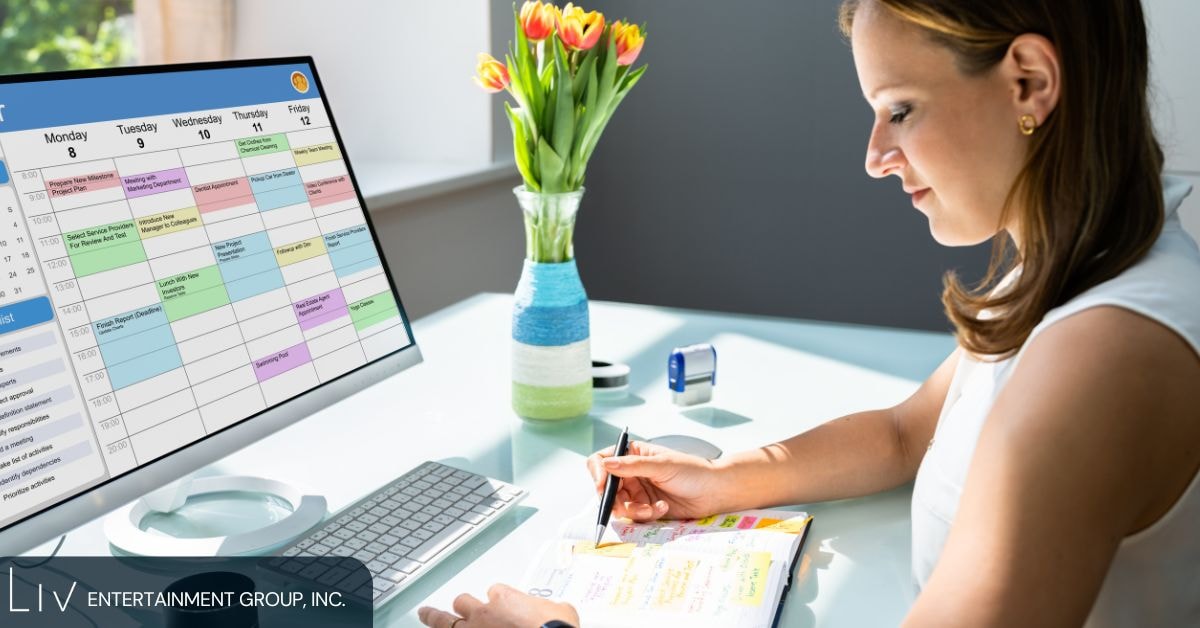
The next item on your event planning checklist should be selecting a venue as it sets the tone for your corporate event. In choosing a venue, you should consider factors like size, location, and amenities.
Before choosing a venue, conduct site visits to evaluate whether the venue meets your needs. Keep in mind indoor venues offer controlled environments, while outdoor settings add uniqueness but may require more logistics for weather concerns.
4. How to Schedule the Event Date and Time
Next, you have to schedule a date and time for the corporate event. This way, you can inform your team or target audience of the set date and time, and they can start planning their calendars early enough.
It is important to avoid scheduling conflicts by accounting for public holidays and other company events. You should also align the event schedule with attendee availability and the type of event you’re hosting. For example, retreats are best scheduled during the summer or Christmas holidays.
5. How to Hire a Catering Company
Food and drinks are important in corporate events, and yours should not be an exception. It is important that you select the best catering company that can deliver quality food and beverages.
The catering company you pick should have a menu with diverse options. It is also important to ensure that dietary restrictions are considered.
Depending on your budget and event formality, you can decide if you want to have bar services at the event. Importantly, your corporate event planner should ensure that the food and drink schedule aligns with the overall event flow to keep guests satisfied.
6. How to Create a Structured Event Schedule
An organized event schedule ensures a smooth flow and maximizes attendee engagement. Therefore, you have to structure your event and plan key moments. These key moments include opening speeches, breakout sessions, and entertainment.
The event planning team should allot adequate time for networking, presentations, and breaks. This way, guests are kept energized and engaged.
7. How to Choose the Right Entertainment

Entertainment is key to creating an engaging and memorable experience at any event, including corporate events. However, you may be caught in the middle and confused about whether to choose a DJ or a Live Band.
Typically, a DJ is flexible and can keep the energy high. On the other hand, live bands add a personal touch and dynamic energy. You should weigh your options and consider the one that will best suit the mood of your event.
For outstanding entertainment and seamless event experiences, trust LIV Entertainment. Our corporate party entertainment andevent band options will elevate your event and make it memorable!
8. Execute the Marketing and Promotion Strategy
To ensure event success, you need to engage in marketing and promotions. This way, the event will always be in the face of your target audience.
To promote your event, you can use social media, email campaigns, and internal communications. You can also offer early-bird registration or exclusive deals to increase sign-ups.
9. Don’t Forget Event Management: Logistics and On-site Coordination
When coming up with your corporate event planning checklist, don’t forget effective event management. Keep in mind that the logistics of the event day can make or break your corporate event’s success. Therefore, you use an event management software like Zoho or Trello to ensure that everything is on track.
Importantly, ensure that there is a well-coordinate event setup onsite. This includes tech equipment, seating, and staffing to manage the flow of the event.
10. Take Time for Post-Event Review and Feedback Process
Gathering feedback is important for improving future events. Therefore, after your corporate event, measure the event’s success against your pre-set goals (attendance, engagement, feedback). You can use post-event networking and follow-ups to continue building relationships with attendees.
Common Corporate Event Planning Mistakes to Avoid

Underestimating entertainment and production is one of the biggest mistakes when planning a corporate event. Entertainment, sound, lighting, and equipment directly shape the attendee experience, and overlooking these elements often leads to technical issues that distract guests and reduce engagement.
Poor timing or an overcrowded agenda can also hurt an otherwise well-planned corporate event. Without a detailed schedule that balances speakers, networking, food, and entertainment, attendees may feel rushed, disengaged, or fatigued, making it harder to achieve a successful event.
Another common mistake is failing to define the target audience clearly. When event planning decisions aren’t aligned with who the event is for (employees, partners, or potential clients), the content, theme, and experience may miss the mark.
Many companies also underestimate the importance of early venue selection and vendor coordination. Waiting too long to secure a venue, local vendors, or security personnel can limit options, increase costs, and complicate execution as the event date approaches.
Finally, attempting to handle everything without professional support often overwhelms internal event teams. Partnering with experienced event planners and entertainment professionals helps streamline the corporate event planning process, reduces risk during the run up to the big day, and ensures the event delivers real value and measurable success.
Why Work with a Professional Corporate Event Entertainment Company?
A professional corporate event entertainment company plays a critical role in how to plan a successful corporate event because entertainment directly affects energy, engagement, and overall perception of your event. Experienced entertainment professionals know how to read a corporate audience, align performances with your event goals, and integrate seamlessly into the corporate event planning process without disrupting the agenda or flow.
Beyond talent, working with professionals brings reliability, customization, and peace of mind. From tailored entertainment concepts and dependable equipment to advance planning, detailed schedules, and backup solutions for technical issues, professional support reduces stress for event teams and ensures the attendee experience remains polished and engaging throughout the event.
Liv Entertainment simplifies planning a corporate event by serving as a trusted partner from strategy to execution. We collaborate with event planners, vendors, and internal teams to deliver customized entertainment that fits your brand, venue, budget, and target audience, so you can focus on hosting a successful event while we handle the details.
Looking to Find the Perfect Entertainment for Your Corporate Event?
Planning a corporate event requires attention to detail, from selecting the right venue to managing the budget. One of the most important aspects is choosing the perfect entertainment to create a memorable experience for your guests. Whether you’re aiming for a relaxed atmosphere, lively performances, or engaging activities, the right entertainment can make all the difference.
As you finalize your corporate event, keep in mind the importance of starting early, managing all technical and logistical elements, and ensuring your entertainment aligns with your event’s theme and audience expectations.
To get the perfect entertainment for your next corporate event, reach out to LIV Entertainment Group for a free consultation. Our team of professionals will help you tailor entertainment that meets your goals and ensures an unforgettable experience.
FAQs
Below are answers to some of the most common questions companies ask during the corporate event planning process:
How Far in Advance Should I Start Planning?
For most corporate events, planning should begin at least three to six months in advance to allow time for venue selection, securing vendors, and building a realistic budget. Larger conferences or events with multiple vendors and speakers may require even more lead time to ensure smooth execution.
What Types of Interactive Activities Work Best?
Interactive activities like scavenger hunts, live polls, Q&A sessions, and networking games work well because they keep attendees engaged and encourage collaboration. The best activities align with your target audience, event goals, and overall attendee experience.
Should I Hire a DJ or a Live Band for Entertainment at My Corporate Event?
Choosing between a DJ and a live band depends on your event theme, audience, venue, and budget. DJs offer versatility and seamless transitions, while live bands create high-energy moments and a more immersive entertainment experience.
What’s the Best Way to Promote My Corporate Event to Attendees?
Use a mix of email invitations, internal communication channels, event apps, and social media to build anticipation and share key event details. Consistent messaging and early promotion help set expectations and drive attendance.
What’s the Best Way to Follow Up After a Corporate Event to Maintain Connections?
After the event, send thank-you emails, share highlights or photos, and gather feedback to measure success and improve future events. Timely follow-up helps maintain relationships, reinforce your message, and extend the value of the event beyond the big day.