
What Is a DJ Set?
A DJ set is more than just playing songs. It’s a high-energy musical journey where a DJ seamlessly mixes tracks in real time. With turntables, mixers, and cutting-edge software, they craft an electrifying vibe, keeping the crowd moving. From beatmatching to looping and scratching, every technique adds to the excitement, layering sounds to create musical synergy that keeps the party alive!
Thinking of engaging the services of a professional DJ for your next event? At Liv Entertainment, we have various DJs for hire that can make your event unforgettable! Don’t hesitate to book a free consultation with our experts today to get personalized advice.
In this blog, we will help you understand all there is to know about DJ sets. We will also share tips for hiring a DJ and the costs associated with booking a DJ for different events.
The Magic Behind the Music: What Is a DJ Set?
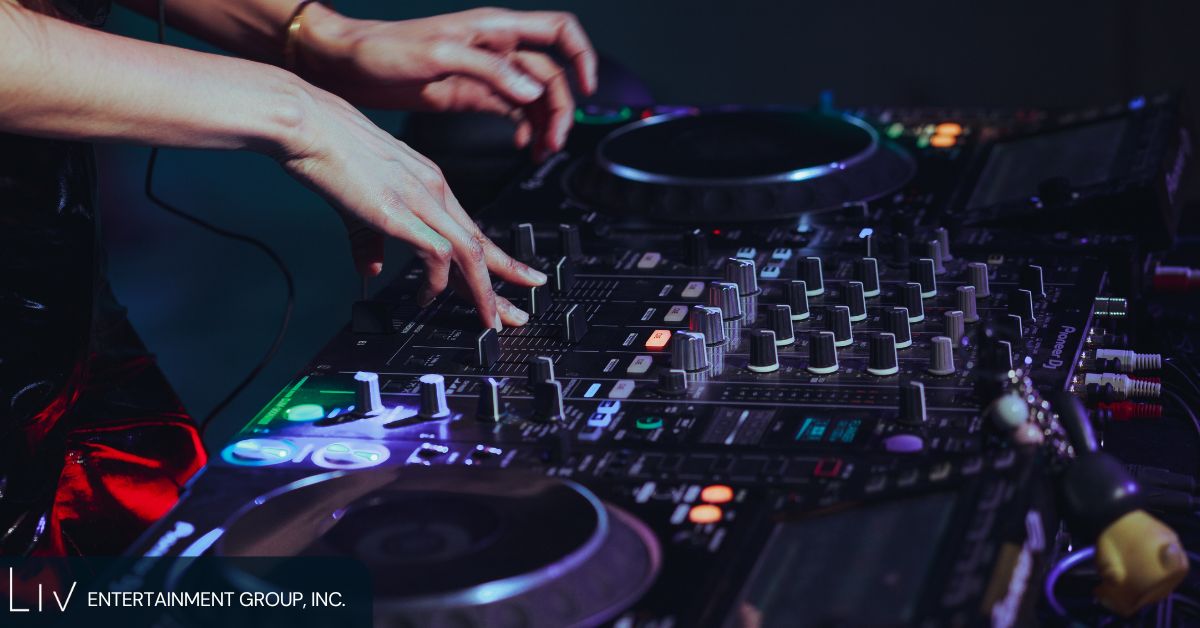
Simply put, a DJ set refers to a performance by a disc jockey (DJ) who mixes recorded music live for an audience. But DJs are soo much more than that! A DJ is a musical curator and crowd-mover, blending tracks live to craft an unforgettable experience. Their goal is to keep the energy high and the audience hooked. Reading the crowd, they fine-tune their song selection in real time, creating a seamless flow of beats and vibes. Armed with turntables, headphones, controllers, and more, DJs use their gear and their instincts to keep the dance floor alive.
-
Turntables: DJs use turntables to play vinyl records. This allows for manual control over the music, including scratching and spinning.
-
DJ Mixer: The DJ mixer allows the DJ to transition between tracks using crossfaders and adjust levels and EQ settings for seamless blending.
-
Headphones: A DJ uses headphones to pre-listen to tracks before they are played live. This helps the DJ to prepare transitions without the audience hearing.
-
DJ Software: The DJ software allows DJs to manipulate digital music files and employ more effects.
-
Controllers: These are used to control DJ software. It emulates the traditional turntable and mixer setup but with digital files.
During a live performance, a DJ serves as both the music selector and crowd reader. Aside from choosing tracks that fit the mood of the event, DJs must gauge the crowd’s reaction to their music selections and adjust accordingly to maintain a lively atmosphere. Additionally, DJs are technical artists. They master skills like beatmatching, mixing, and applying effects at just the right moments. By seamlessly blending sounds and layering beats, they create smooth transitions and build energy, ensuring every set feels like a carefully crafted journey.
The Difference Between a DJ Set and a Live Set?
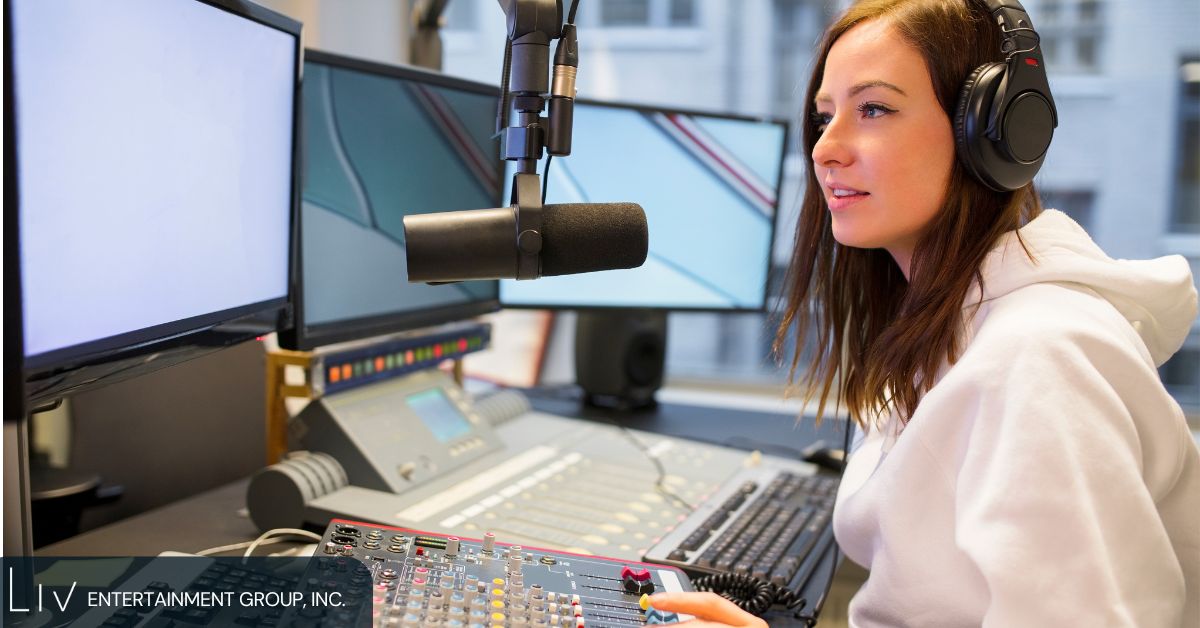
DJ sets vary greatly depending on the setting, audience, and DJ’s style. Some DJ sets you might come across include Radio DJ sets, Club DJ sets, and specialized sets.
Radio sets are typically more curated and can include a mix of music, interviews, and interactions with listeners. The focus is on creating a diverse musical experience that suits the radio audience. Radio DJs play tracks and may mix them, but the environment lacks the visual and direct crowd interaction found in live settings. This type of DJ set falls under pre-recorded mixes and is usually set up in advance by the DJ.
On the other hand, Club DJ sets are all about live interaction with the audience. The DJ plays and mixes tracks in real time, using techniques like beat matching and crossfading to maintain a vibrant dance floor. Club DJs often respond to the crowd’s energy, adjusting their music selections dynamically. These live mixes allow for more spontaneous and energetic performances, heavily relying on DJ equipment and the DJ’s ability to manipulate the crowd’s mood.
Furthermore, specialized sets often include electronic music, techno, house sets, hip-hop sets, etc. Techno and house sets usually feature a continuous beat, with DJs adding layers of tracks, effects, and transitions that emphasize rhythm and atmosphere. DJs performing these genres often focus on building a set that progresses in energy and intensity, using DJ mixes and software.
However, hip-hop sets are more likely to involve scratching, beat juggling, and mixing of both old and new music. Hip-hop DJs may play a more active role in hyping up the crowd with MCing, playing specific tracks that cater to the audience’s preferences, and showcasing their technical skills with turntables. Typically, they play the role of a hypeman.
How Long Is a DJ Set?
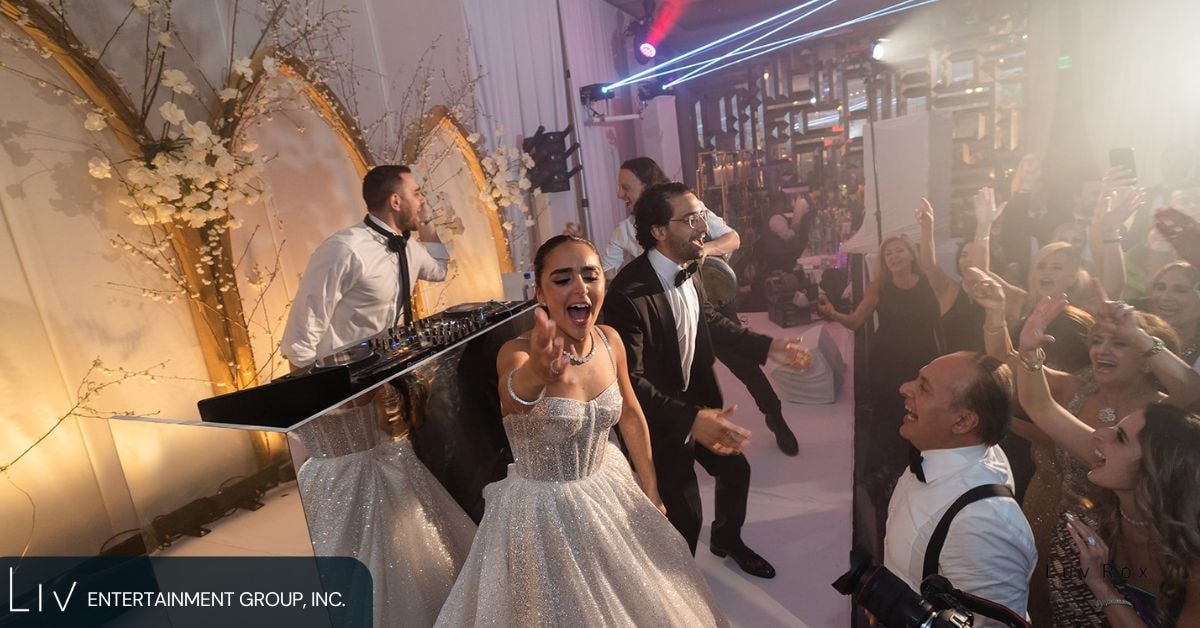
The length or duration of a DJ set varies based on the type of event, the DJ’s role within the event, and the expectations of the audience and organizers. A typical DJ set lasts between one to six hours.
Club sets often range from 1 to 4 hours, depending on the lineup. If a DJ is the main act, they might play longer. However, opening DJs usually have shorter sets. For festival sets, a DJ set ranges from 45 minutes to about 2 hours. These are generally shorter due to multiple acts performing. Additionally, private events and wedding sets can extend much longer, from 2 to 6 hours. These DJs often cover the entire event, from the cocktail hour through to the first dance, and even the after party!
The cost of hiring a DJ is indeed affected by the length of the set. A DJ might typically charge hourly. The rates vary based on their experience, demand, and the specific needs of the event. For example, professional DJs in local clubs might have different rates compared to those playing at large festival stages or private corporate events.
Furthermore, longer sets can sometimes attract higher overall fees. This is due to the extra playing time and also because of the increased effort and preparation involved. DJs might offer a reduced rate per hour for longer engagements, but the total cost will generally be higher.
Costs can also be influenced by travel expenses, the need for special equipment, and whether the DJ uses their own music production or plays popular tracks.
What Is the Best DJ Set for an Event?
Choosing the best DJ set for an event depends on the nature of the event, the expected audience size, and the overall vibe you want to create. For weddings, you’ll want a DJ who can blend classic hits with contemporary tunes. The DJ should know how to read the room and make transitions that keep everyone, young or old, on the dance floor.
For corporate events, a DJ needs to strike the right balance between curating a mix of ambient background music for networking and lively dance tracks when it’s time to energize the crowd. The music selection depends on the event’s vibe, whether it’s a formal gathering or a celebratory party. Depending on the event, the audience could range from a few dozen to several hundred. The music should be inoffensive and broad enough to appeal to a diverse corporate crowd.
Moreover, party DJs need to be energetic and versatile. They should be capable of playing a wide range of music that matches the theme of the party. Whether it’s a 21st birthday or a 50th anniversary, the DJ should know how to ramp up the energy and get people dancing.
For small-scale events, such as art gallery openings or small business events, the DJ might focus more on creating an ambient background that complements the event without overpowering it. Here, a DJ set might involve more chill, lounge, or acoustic tracks that enhance the environment.
On the other hand, large-scale events like festivals or large public celebrations require DJs who can handle a large, diverse crowd and have experience with big stages and sound systems. These events often feature DJs who specialize in electronic dance music and are capable of sustaining high energy levels for extended periods.
Skills Required to Use a DJ Set Successfully
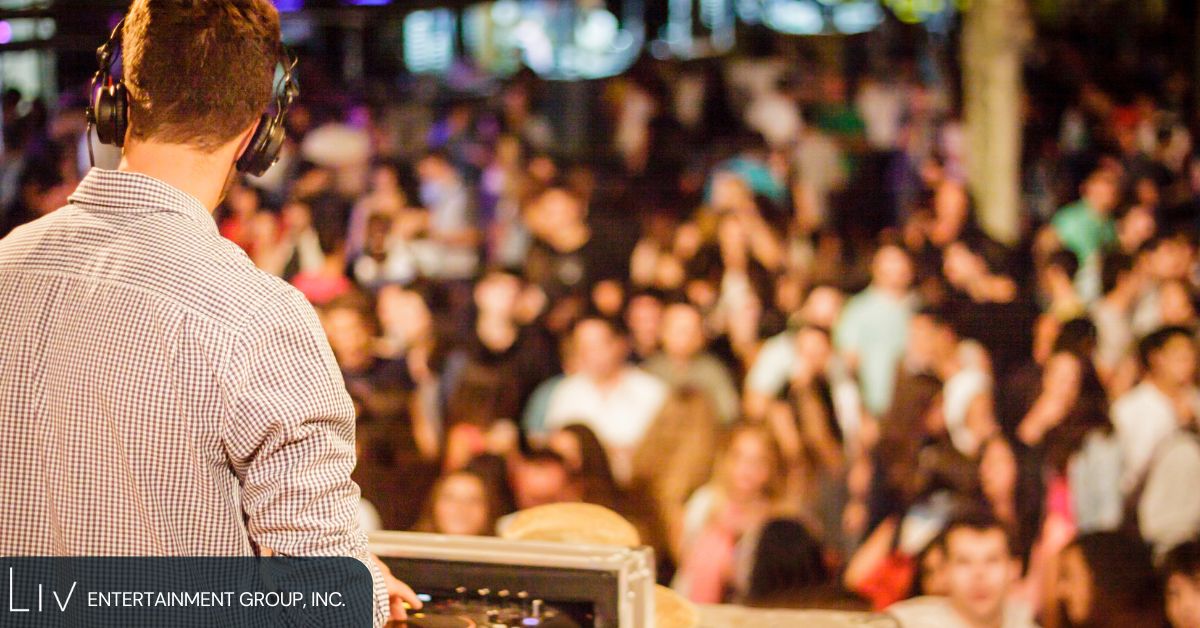
To be successful as a DJ, you need to understand beat matching and mixing. This is the ability to align the beats of two different tracks so that they are in sync. This skill is crucial for creating seamless transitions between songs.
In addition, you should know how to read the crowd and respond to their energy. This could mean switching genres, altering the tempo, or playing a well-timed crowd favorite to re-energize the audience.
Furthermore, you must know how to select and sequence tracks. This involves planning a set that builds up appropriately, maintains momentum, and fits the specific vibe of the event.
Preparing for a DJ Set – Tools and Tips
Preparing a DJ set involves more than just playing music. DJs often rehearse transitions, experiment with effects, and practice scratching and other techniques to add flair to their performances. Recording practice sessions can help a DJ critique their mixing skills and make adjustments.
DJs typically use digital libraries to manage their music, categorizing tracks by genre, mood, tempo, and key. DJ software tools also help in creating playlists and setting cue points in advance. DJs often spend considerable time listening to new music and curating their collections to ensure they have the right tracks for any event.
Before any performance, DJs have to set up their equipment correctly. This includes ensuring that the sound system is powerful for the venue and set up for optimal sound coverage. The DJ must test all equipment, including turntables, mixers, controllers, and laptops, to ensure everything is functioning.
Additionally, it is important to secure all cables and connections to avoid any disconnects or technical issues during the set. Furthermore, they must perform a sound check to adjust levels and EQ to suit the acoustics of the venue.
Choosing a DJ and DJ Set for Your Event
Selecting the right DJ involves considering factors like cost, reputation, experience, etc. It is important to choose a DJ whose style and experience match the theme and energy of your event. A DJ’s set plays a crucial role in shaping the atmosphere, whether it’s a seamless flow of background tunes for a corporate gathering or an electrifying mix that keeps the dance floor packed at a wedding or party.
When choosing a DJ for your event, you should also look at past reviews and seek recommendations from previous clients or event planners. Furthermore, keep in mind that the cost of hiring a DJ can vary depending on their experience, length of set, travel expenses, etc.
When planning your budget, be aware of potential uncalled-for expenses. These could include last-minute equipment rentals, extended play times beyond the contracted duration, or additional setup requirements not previously discussed. It is important to clarify what is included in the DJ’s fee and what might count as an additional cost.
DJ Set FAQ’s
How Many Songs Are in a 2-Hour DJ Set?
The number of songs in a 2-hour DJ set depends on the average length of each track and how frequently you mix in new songs. On average, DJs play between 20 to 30 tracks per hour, meaning a 2-hour set typically includes 40 to 60 songs.
Can I DJ With a PC?
Yes, you can DJ with a PC. You can use your PC to run DJ software and carry on with your performance.
Can I DJ With My Phone?
Although this is not an ideal option, yes, you can DJ with your phone. This is with the use of DJ apps like djay, edjing mix, etc.
Can I DJ With Spotify?
Yes, you can DJ with Spotify. The DJ Mode for Spotify is only available for Spotify premium users.
How Can Someone Sign Up for a Free Introduction to DJing Mini-Course?
To sign up for a free introduction to DJing mini-course, you first need to find a reputable course provider. Luckily, there are several high-quality options available online that can help you get started on your DJing journey. Some of these options include We Are Crossfader, Club Ready DJ School, Pyramind Institute, Alison, and The DJ Coach.
To enroll, visit the course page of your chosen provider, look for a “sign up” or “enroll” button and click it. Then, create an account by providing your name and email address. Check your email for a confirmation message, and follow the instructions to verify your account. Once enrolled, you’ll gain access to course materials, including video tutorials, reading resources, and exercises.
What Is Included in a Free Mini DJ Course?
A free mini DJ course generally covers common questions beginners have about learning to DJ and provides foundational skills to get started. These courses are designed to introduce you to the basics of DJing without overwhelming you with too much technical detail. You can expect to find courses like equipment basics, how to choose a song, basic mixing techniques, effects and transitions, etc.
Where Can a Person Find Reviews and FAQs Regarding DJ Courses?
Reviews and FAQs regarding DJ courses can be found on the provider’s website under the “Reviews” and “FAQ” sections. You can also check websites like Yelp, Trustpilot, and Reddit Communities.
What Are the Current Sale Prices for Individual DJ Courses and Performance Packs?
The cost of individual DJ courses and performance packs typically ranges from $100 to $400, depending on the level and depth of the content.
Book LIV’s DJs
DJs always have to curate their music collection before an event to ensure that they are well-prepared for the performance. In preparation for the performance, they have to ensure proper equipment setup, including sound checks. This ensures that the event runs smoothly without technical hitches.
In choosing a DJ for your event, you should select a DJ whose style and expertise align with the event’s theme and audience. You should also consider factors like experience and cost.
Ready to elevate your event with professional DJ services? Book a free consultation now with Liv Entertainment to discuss your needs and explore our solutions. Check out our Liv bands for hire for a live music experience that can complement or substitute a DJ set. We always have you covered!