

Quick answer
Most wedding dance floors fall between 140 and 900 square feet. Size yours for the guests likely to dance at the same time, not everyone you invited, and factor in the venue's layout and whether the floor is indoors or out. A floor that is slightly snug feels livelier than one that is half empty.
Posted on August 13, 2026 08/13/2026 · Updated August 19, 2026 08/19/2026 By DJ Nathan
The average wedding dance floor size ranges from 140 to 900 square feet, depending on your guest count, venue layout, and the style of reception you’re planning. Get it right, and your dance floor stays packed all night. Get it wrong, and even your best playlist has to work overtime.
Since 2017, LIV Entertainment has helped clients create unforgettable weddings through customized live entertainment and event production. Based in Culver City, California, we connect couples across the United States with experienced DJs, live bands, musicians, and event professionals who work closely with them to create celebrations that reflect their vision. Our commitment to exceptional service has earned us an A+ Better Business Bureau rating, along with positive reviews on Yelp, The Knot, and WeddingWire. Whether you’re planning an intimate reception or a large celebration, our team can help you choose entertainment that complements your venue, keeps the dance floor full, and creates an unforgettable experience for your guests. Contact us today to start planning your wedding entertainment.
This blog will break down the ideal dance floor sizes for different guest counts and help you find the perfect fit for your big day.
Why the Right Dance Floor Size Matters for Your Wedding
Every couple wants a packed dance floor.
What they don’t want is guests packed onto the dance floor.
Finding the right balance is what makes a reception feel effortless. If the dance floor is too small, guests spend more time squeezing past each other than actually dancing. Make it too large, though, and something unexpected happens. Even when people are having an incredible time, the space can look half empty, making the atmosphere feel flatter than it really is.
It’s a misconception we see all the time. Bigger doesn’t automatically mean better. In fact, a well-sized wedding dance floor often feels livelier because it brings people together naturally. When the space feels comfortably busy, hesitant guests are more likely to step in, the energy builds throughout the evening, and every song feels like it has a fuller crowd.
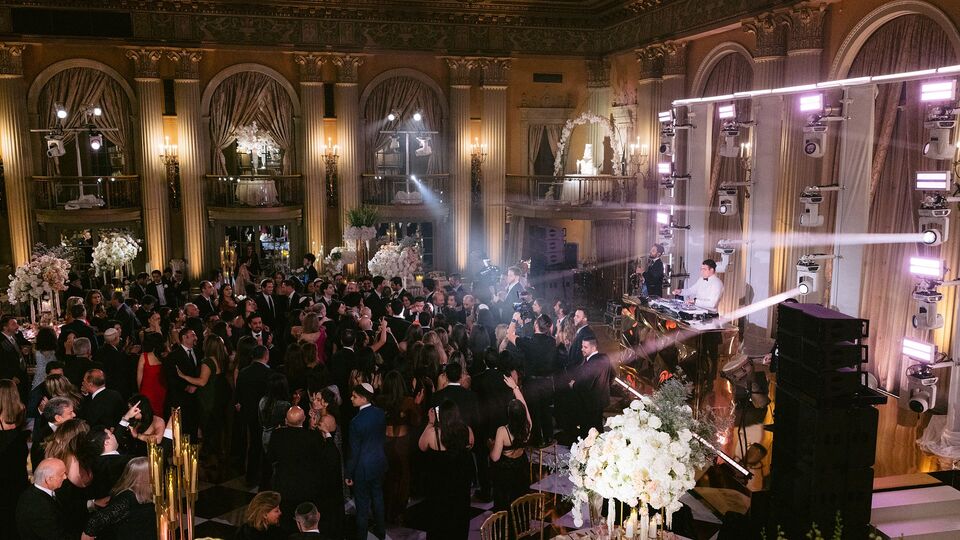
The dance floor also shapes far more than the party itself. It’s where your first dance happens, where family and friends gather without being asked, and where some of the most memorable moments of the reception unfold. Chances are, many of the photos and videos you’ll revisit for years to come will have the dance floor somewhere in the background.
As Miki Guberman of LIV Entertainment puts it, “Some of the best wedding receptions we’ve worked on didn’t have the biggest dance floors. They had the right-sized dance floors. When the space feels full without feeling crowded, guests are more comfortable, more engaged, and much more likely to stay on their feet.”
Choosing the right dance floor size isn’t just another planning decision. It’s one of those details that guests rarely notice when it’s done well, yet it quietly shapes how the entire reception feels from the first dance to the final song.
How Big Should a Dance Floor Be at a Wedding?
Picture this.
The DJ drops your favorite song, everyone rushes to the dance floor…and within thirty seconds, somebody has stepped on your train.
Not exactly the wedding moment you imagined.
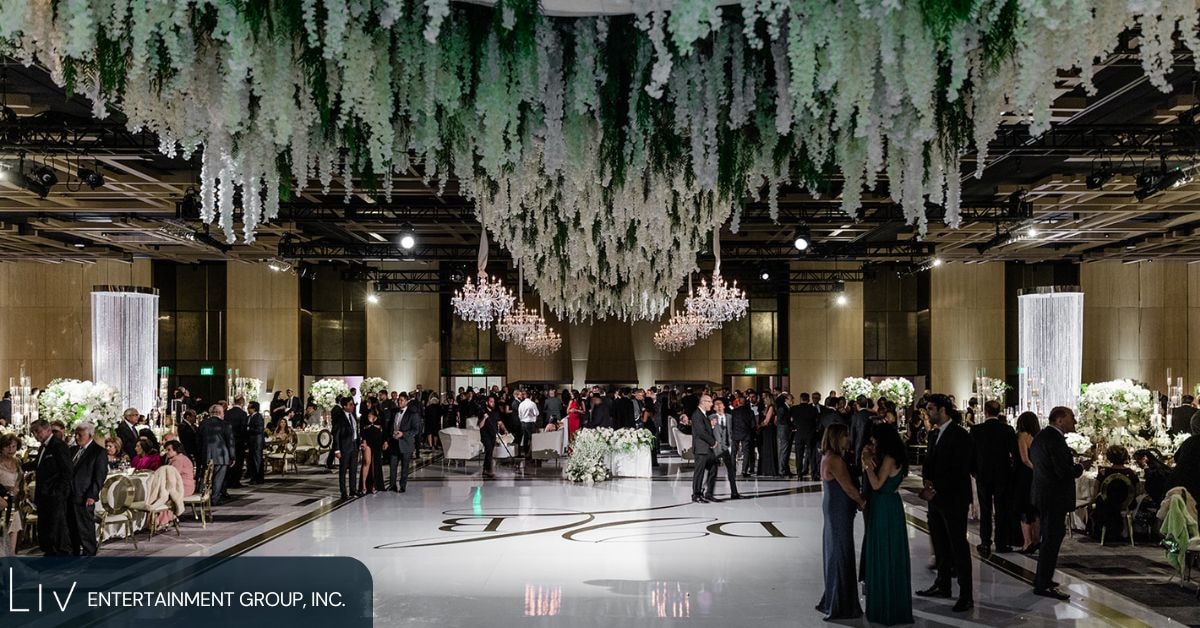
Now picture the opposite. The dance floor is so enormous that even with fifty people dancing, it still looks half-empty. The energy disappears, the photos feel flat, and guests start wondering where everyone went.
The sweet spot sits somewhere in the middle.
Here’s the trick most couples don’t realize: you’re not planning for every guest to dance at once. Uncle James is at the bar. Your college friends are taking pictures at the photo booth. Grandma is catching up with relatives she hasn’t seen in years. People naturally drift in and out of the celebration, which is why wedding planners usually estimate that only about 30% to 50% of guests will be dancing at any given moment.
So, what does that look like in practice? The table below gives you a quick starting point based on your guest count and the number of people likely to be dancing throughout the reception.
| Wedding Size | Ideal For | Recommended Dance Floor Size | Typical Dimensions |
|---|---|---|---|
| Intimate | Up to 50 guests | 144 to 225 sq. ft. | 12 ft. x 12 ft. to 15 ft. x 15 ft. |
| Small | 50 to 100 guests | 225 to 400 sq. ft. | 15 ft. x 15 ft. to 20 ft. x 20 ft. |
| Medium | 100 to 150 guests | 324 to 576 sq. ft. | 18 ft. x 18 ft. to 24 ft. x 24 ft. |
| Large | 150 to 200 or more guests | 400 to 900 sq. ft. | 20 ft. x 20 ft. to 30 ft. x 30 ft. |
After you’ve chosen a starting size, don’t stop there. Your entertainment, venue layout, and reception style can all influence whether you should go slightly bigger or smaller. A wedding with a high-energy live band, for example, often attracts more dancers than a formal seated reception with plenty of lounge areas.
Indoor vs. Outdoor Wedding Dance Floors: Size & Setup
Choosing between an indoor and outdoor wedding dance floor isn’t just about the view.
It’s about deciding whether you’re planning around chandeliers or keeping one eye on the weather forecast.
Indoor receptions make dance floor planning relatively straightforward. Hotels, ballrooms, and purpose-built event venues often have a permanent dance floor or a dedicated space designed for one, so there’s less to think about when it comes to the setup. They’re also better suited for wedding lighting, production, a high-energy wedding DJ, or a live band, since power, acoustics, and lighting are already built into the venue.
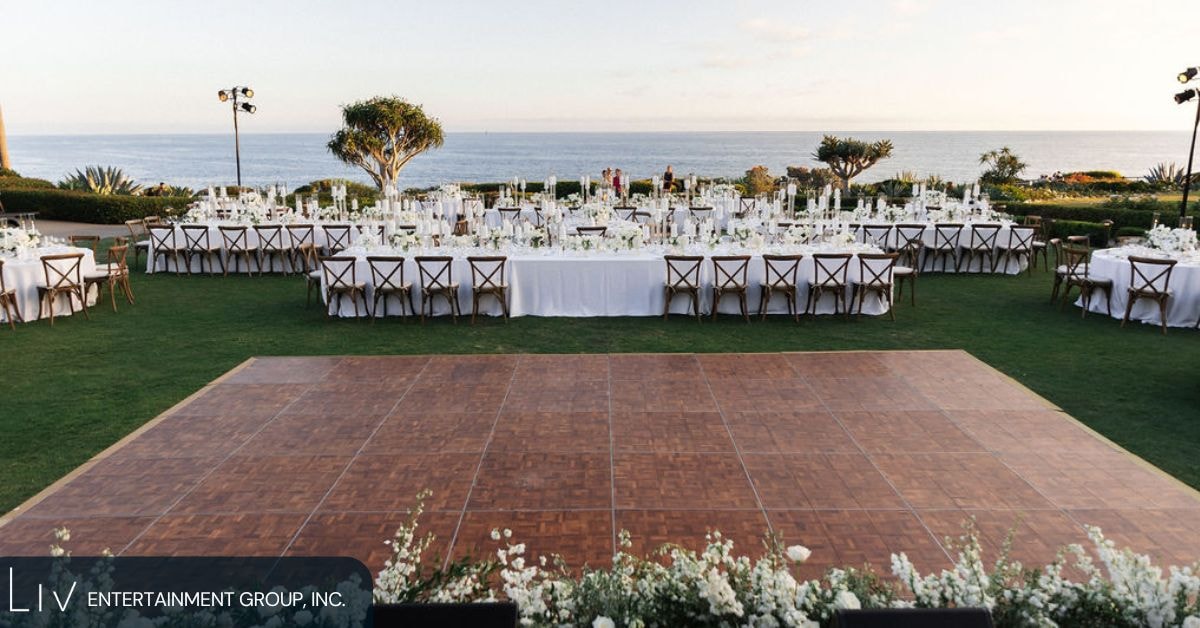
Outdoor weddings create a completely different atmosphere. There’s something special about dancing beneath string lights with an open sky overhead, but the setting also comes with a few extra considerations. Uneven ground, soft grass, and changing weather can all affect how comfortable guests feel once the dancing begins, which is why the dance floor deserves just as much attention as your seating plan or floral design.

A portable wedding dance floor should always be installed on firm, level ground to help guests move comfortably and reduce the risk of slips or trips. The U.S. Access Board recommends stable, slip-resistant walking surfaces for temporary installations, making proper setup just as important as choosing the right dance floor size.
Whether you’re celebrating in a grand ballroom or exchanging vows at a vineyard, the best receptions are planned around how guests naturally move throughout the evening. They’ll spend time on the dance floor, stop by the bar, gather at the photo booth, catch up with family, then head back when their favorite song starts playing. Give them a comfortable place to dance, and chances are they’ll still be there long after dinner has been cleared away.
Key Factors That Impact Your Wedding Dance Floor Size
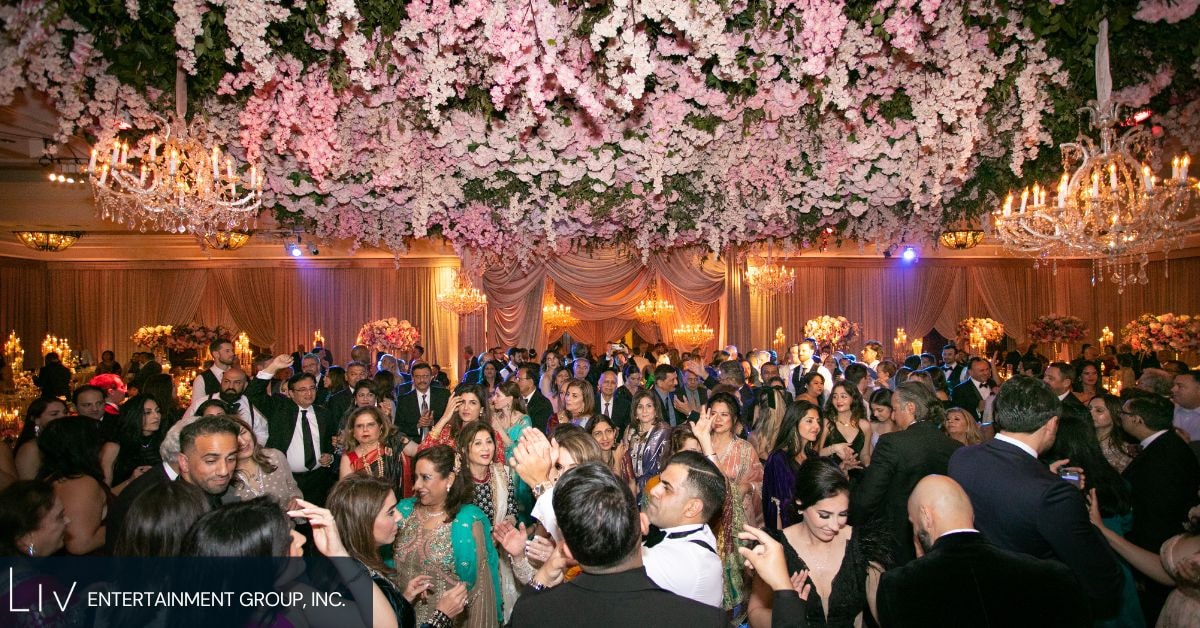
A great dance floor doesn’t happen by accident.
It starts filling long before the first song. It’s in the way the room is laid out, the music you’ve chosen, the energy of your guests, and that one friend who’s been asking the DJ for Dancing Queen since cocktail hour. Get those details right, and people naturally gravitate towards the dance floor. Get them wrong, and suddenly everyone finds the bar fascinating.
Here’s what really makes the difference.
Your Guest Count Sets the Scene
Every couple has a number in mind. Every wedding has a personality of its own.
Just because you’ve invited 200 guests doesn’t mean 200 people need space to dance. Some guests are professional spectators. Some disappear the moment dessert arrives. Others won’t leave the dance floor unless the venue physically turns the lights on.
That’s why experienced planners use your guest count as a guide, not the final answer. Instead of sizing the floor for every guest, they estimate how many guests will be dancing at the busiest point of the night. It creates a celebration that feels lively, looks full, and still leaves enough room for everyone to move comfortably.
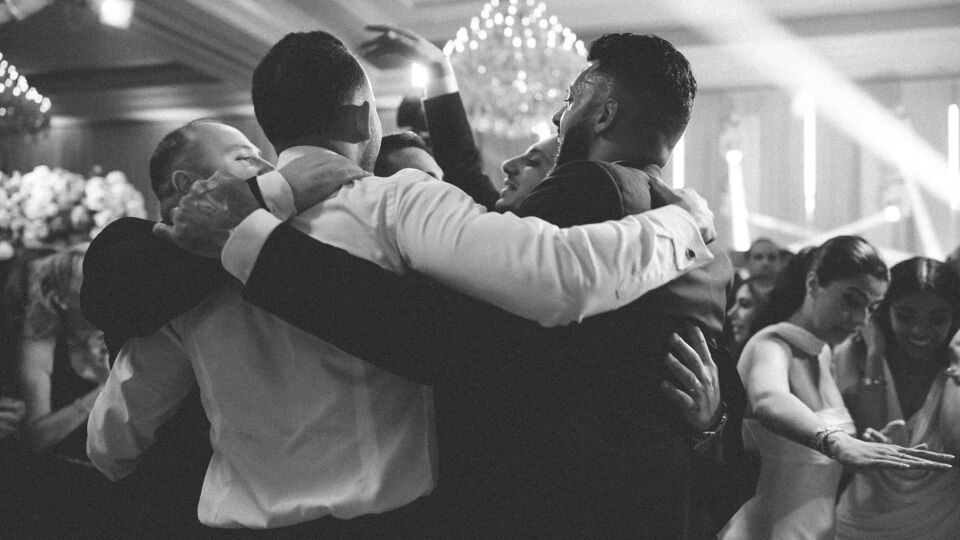
The Music Changes Everything
A polite playlist creates a polite dance floor.
A brilliant DJ or live band creates the kind of evening where guests promise themselves they’ll dance to “just one song” and somehow look up two hours later wondering where their shoes went.
The music has a direct impact on how much dance floor space you’ll need. If dancing sits high on your wedding wishlist, plan for it. A packed dance floor is far more memorable than an oversized one with plenty of personal space.
Your Venue Is Already Dropping Hints
Walk into any reception venue before the guests arrive and you’ll notice something.
Every room has a natural gathering point.
Sometimes it’s beneath the statement chandelier. Sometimes it’s beside the bar. Sometimes it’s wherever the photographer instinctively sets up first.
The smartest dance floor placement works with that natural flow instead of fighting it. Position it in a central location, and guests drift in and out all evening without thinking twice. Hide it in a forgotten corner, and even the best playlist has to work overtime.
Your Wedding Style Writes the Rules
Not every wedding is trying to throw the same party.
A formal black-tie reception has a different rhythm from a garden celebration where jackets disappear before the starters are served. If your vision includes a lively evening with guests dancing between courses, your dance floor size should reflect that. If dancing is only one part of the celebration, you can often make better use of the available event space without sacrificing the atmosphere.
Indoors Has Walls. Outdoors Has Opinions.
Outdoor weddings are beautiful.
They’re also wonderfully unpredictable.
The breeze arrives uninvited. Heels discover soft grass. Someone insists the sunset is the perfect time for a group photo.
If you’re installing a temporary wedding dance floor, the surface underneath matters just as much as its size. A stable, level foundation gives guests the confidence to dance without thinking about where they’re placing their feet, which is exactly how it should be.
Wedding Dance Floor Budget: Cost Factors & Money-Saving Tips

The cost of a wedding celebration area depends on several factors, including size, material, and location. Indoor venues with built-in floors can help save costs, while outdoor setups often require rentals, which range from $300 to $1,200, depending on the size and material. High-end options like LED or custom monogram floors can increase costs significantly. Additional expenses may include décor and setup fees.
If hosting an outdoor event, placing the dance floor on a stable, even surface can reduce the need for extra reinforcement and can help cut costs without sacrificing style. Balancing your budget and style ensures a functional yet beautiful space for an unforgettable celebration.
How to Maximize a Small Wedding Dance Floor
A small dance floor isn’t your enemy.
An empty one is.
We’ve seen couples worry that they don’t have enough space, then spend the entire night trying to drag guests away from the bar. Meanwhile, another wedding with half the square footage has people dancing before the main course is cleared.
The secret isn’t always a bigger dance floor. It’s giving people a reason to use it.
Step 1: Stop Designing for Your Seating Chart
It’s tempting to fit in one more table.
Or one more lounge area.
Or that oversized photo booth you saw on Pinterest.
Then the dancing starts, and suddenly everyone’s trying to squeeze around furniture that looked perfectly sensible on the floor plan.
Novaj Javidzad sees it all the time.
“Couples rarely tell us after the wedding that they wish they’d added another table. They do tell us they loved how full and energetic the dance floor felt.”
Design around the celebration first. The tables will find their place.
Step 2: Don’t Make Guests Hunt for the Party
Nobody likes walking into an empty dance floor on their own.
But if they can see people laughing, clapping and having the time of their lives, joining in suddenly feels much easier.
That’s why dance floor placement matters just as much as dance floor size.
There’s a reason event professionals think this way. The UK’s Health and Safety Executive recommends designing event spaces so people can move around freely without unnecessary congestion. Good guest flow isn’t just safer, it also makes the celebration feel effortless.
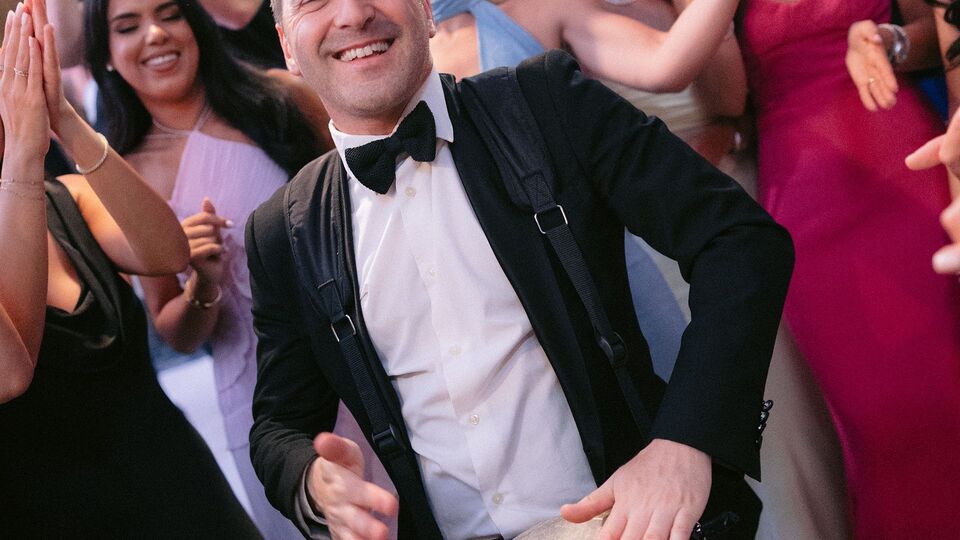
Step 3: Your Dance Floor Isn’t Just for Dancing
Here’s something couples don’t always realise.
The dance floor earns its keep long before the DJ says, “Everybody up.”
It’s where your first dance happens. Where your grandparents steal a quiet slow dance before the crowd arrives. Where your flower girl invents choreography nobody asked for. Where your photographer captures the reactions you’ll treasure more than the posed shots.
Henry Javidzad puts it perfectly.
“Some of the best moments happen around the dance floor, not just on it. That’s why we always think about the space surrounding it as well.”
Step 4: Bigger Isn’t Always Better
Let’s retire one wedding myth.
A bigger dance floor doesn’t automatically create a better party.
In fact, an oversized floor can make a busy reception look quieter than it really is. A floor that’s comfortably busy creates energy. People cheer louder. Guests feel part of something. Even the photos look better.
Book for the crowd you’re likely to have dancing, not the total number on your guest list.
Step 5: Leave a Little Room for Real Life
Wedding receptions don’t happen in straight lines.
People drift off for another drink. They catch up with relatives they haven’t seen in years. Someone disappears to fix a heel. Someone else has quietly adopted the dessert table as their permanent address.
Then the DJ plays that song, and suddenly they’re all back.
That’s why planners usually allow around 4.5 to 5 square feet per dancer, rather than per guest. You’re designing for the people who’ll actually be on the floor at the busiest part of the evening, not trying to fit every single guest into the same space at once.
Elevate Your Wedding Celebration With a Stunning Dance Floor
A beautiful dance floor can transform your wedding reception and create a vibrant environment for unforgettable memories. Whether you opt for classic wood or dazzling LED, the right space enhances the ambiance and creates room for guests to celebrate. Elevate your special day with a stylish, high-quality dance floor that keeps the party going all night!
At Liv Entertainment, we have the perfect band or DJ to bring your wedding to life, no matter the size of your dance floor. Whether you’re planning an elegant ballroom event or a vibrant outdoor celebration, our entertainment will keep the energy high and your guests dancing. Connect with us today to begin planning!
Frequently Asked Questions
These are answers to common questions couples have asked about wedding dance floor sizes.
What Is the Average Dance Floor Size for a Wedding?
The average dance floor size for a wedding depends on your guest count, venue layout, and how many guests you expect to dance at the same time. Most couples only need to accommodate around 30% to 50% of their guests on the dance floor at once. The right dance floor size should feel comfortably busy, not half empty.
How Much Dance Floor Space Does Each Dancer Need?
A good rule of thumb is to allow 4.5 to 5 square feet per dancer. That provides enough room for comfortable movement while keeping the atmosphere lively. If you’re planning a high-energy reception, speak to your entertainment team about how your live band or wedding DJ may influence the number of guests dancing throughout the evening.
Can a Wedding Dance Floor Be Too Big?
Absolutely.
An oversized dance floor can make a lively reception feel quieter than it really is. When guests are spread too far apart, the energy naturally drops. A dance floor that feels comfortably full almost always creates a better atmosphere and better photos than one with too much unused space.
Where Should a Wedding Dance Floor Be Placed?
The best dance floor placement is in a central location where guests can see the celebration unfolding. Positioning it close to your wedding DJ or live band makes it easier for guests to join in naturally and helps the entertainment become the focal point of the reception. A thoughtful venue layout also allows guests to move comfortably between the dance floor, bar, and dining area.
Should I Rent a Dance Floor for an Outdoor Wedding?
If your venue doesn’t include one, a dance floor rental is often well worth the investment. Grass, gravel, and uneven ground can make dancing uncomfortable and even unsafe in formal shoes. A dedicated dance floor also creates the perfect setting for your first dance and gives guests a clear place to gather once the music begins.
How Do I Choose the Right Dance Floor Size for My Guest Count?
Start with your guest count, but don’t stop there. Think about your reception style, entertainment, and how you expect guests to celebrate. A relaxed afternoon wedding usually needs less dance floor space than an evening reception with a packed dance floor all night. Choosing the right dance floor size means planning for the guests who are most likely to be dancing during the busiest part of the celebration, not trying to fit everyone on the dancefloor at once.