
How Much Does It Cost to Rent DJ Equipment?
Picture this: you have the perfect venue and guest list, and your playlist is stacked with hits. But you’ve forgotten about the DJ gear?! Don’t panic. Renting DJ equipment is the easiest way to bring your event to life without spending a fortune buying everything.
Renting DJ equipment can cost anywhere from $50 to $500+ per day, depending on what you need. A basic setup (mixer + speakers) starts at around $100–$200, while high-end gear (turntables, controllers, lighting) can push $300+ per day. Especially if you want a complete professional setup, expect to pay upwards of $500 and more.
At Liv Entertainment, we have you covered if you need professionals to handle your DJ equipment. Our DJs for hire have years of experience in thrilling the crowd and can give you an event to remember! Contact us today.
This blog will break down DJ equipment rental costs and discuss the factors that affect pricing.
Average Cost Breakdown by Equipment Type
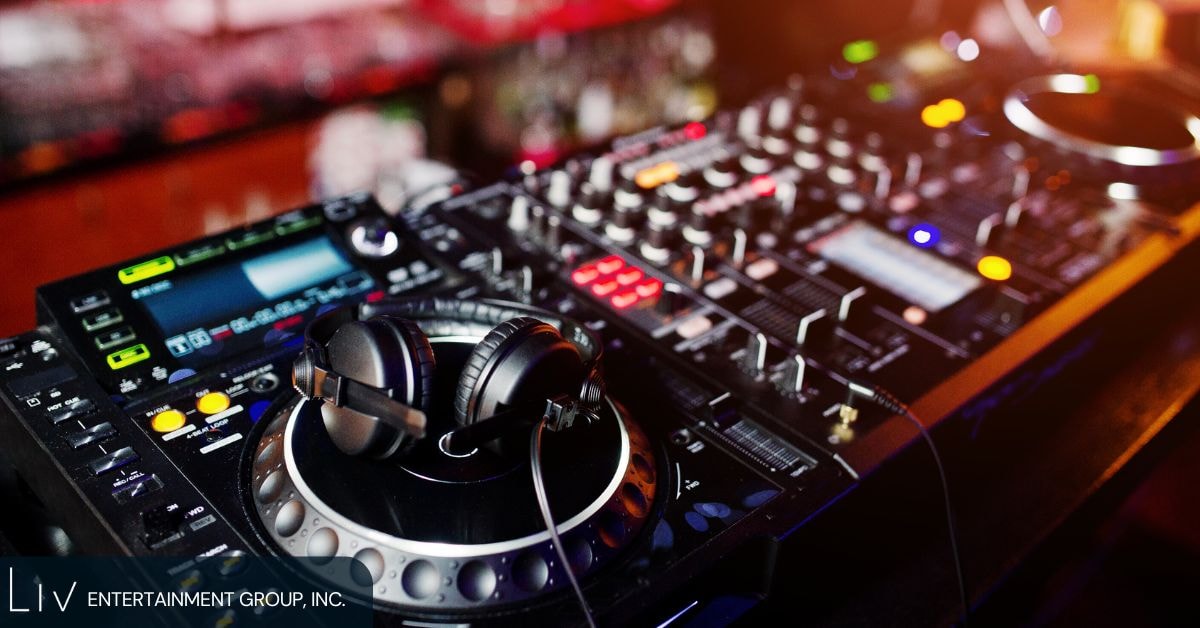
DJ equipment rental rates vary based on the type of gear, rental duration, and the level of professional equipment you need. From DJ controllers and mixers to speakers, microphones, and lighting, every piece of gear comes with its own price tag.
Let’s break it down so you know exactly what to budget for when renting DJ gear.
DJ Controllers Rental Price
A DJ controller is an essential piece of equipment that lets you mix and control your music seamlessly. Prices for DJ controller rentals typically range from $50 to $200 per day, depending on the brand and features.
Entry-level controllers like the Pioneer DJ DDJ-400 or Denon Prime GO sit on the lower end, while high-end options like the Pioneer XDJ-XZ or Rane One can push the cost higher. If you’re looking for a professional DJ controller for a gig, expect to pay more for premium features like larger jog wheels, multiple FX options, and advanced connectivity.
DJ Mixer Rental Costs
A DJ mixer is the heart of any setup, allowing you to control audio levels and effects smoothly. Depending on the brand and capabilities, rental costs for DJ mixers range from $50 to $300 per day.
DJ mixers like the DJM-900NXS2 or Allen & Heath Xone:96 are industry favorites but come at a premium price. If you’re looking for something more budget-friendly, options from Behringer and Mackie provide solid performance without breaking the bank. For high-end club-level setups, a Rane Seventy-Two or Denon X1850 Prime will cost more but deliver a premium mixing experience.
Speaker and Sound System Rental Fees
No event is complete without crystal-clear sound. Whether you need a compact speaker system for a small event or a full PA system for a wedding, pricing can vary significantly. Expect to pay around $100 to $500 per day for speaker rentals, depending on the wattage, number of speakers, and additional sound accessories.
Brands like QSC, Bose, Mackie, and JBL offer high-quality speakers that deliver powerful sound. For a larger event, you might need subwoofers, which can add another $50 to $200 to your total cost. Some rental companies provide full sound system packages, including speakers, amplifiers, and mixing consoles, making it easier to get everything in one go.
Wireless Microphones and Accessories – Extra Costs
If you’re hosting an event that involves MCing, speeches, or live announcements, wireless microphones are a must. Renting a wireless mic system can cost anywhere from $30 to $150 per day, depending on the quality and number of microphones needed.
Brands like Shure, Sennheiser, and Audio-Technica are popular choices for clear and reliable sound. Additional accessories like microphone stands, cables, and pop filters may cost extra, so be sure to check with your rental provider. If you’re renting a full DJ package, some companies may include microphones in the deal, helping you save a few bucks.
DJ Turntables & CDJs Price
A standard Technics SL-1200 turntable rental starts at around $50 to $100 per day, while high-end Pioneer CDJ-3000s can cost $150 to $300 per unit. If you’re looking for a full club-style setup, renting two CDJs and a mixer can easily cost $500 or more per day. Some rental companies offer bundled packages that include CDJs, mixers, and cases to make transport and setup easier.
Factors Affecting DJ Equipment Rental Costs
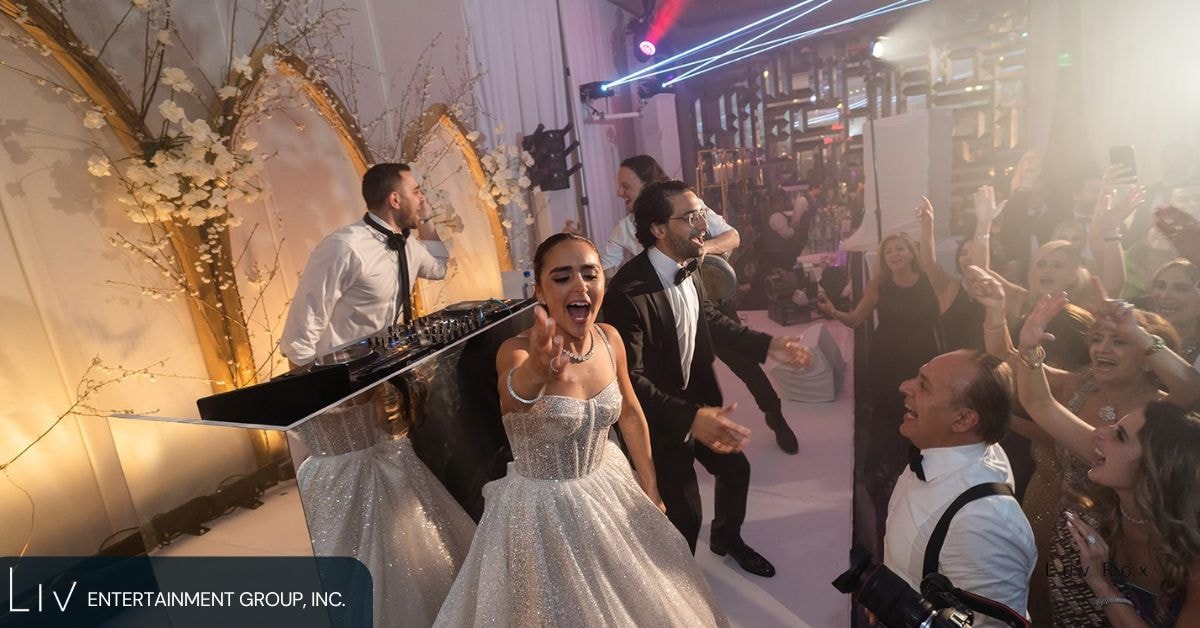
Whether you’re gearing up for a night-long party, a wedding, or a corporate event, several elements impact how much you’ll pay for your DJ gear rental.
These factors include the type of DJ equipment. The type of DJ equipment you rent plays a massive role in the overall cost. A simple DJ controller might be all you need for a casual party, while a full professional DJ setup with mixers, turntables, speakers, and microphones will push the price higher. If you’re renting Pioneer DJ CDJs, Technics turntables, or a Denon DJ controller, expect to pay more than you would for a basic Numark or Behringer setup. The more complex the DJ gear, the higher the price, especially when you start adding stage control, global truss systems, or lighting effects like those from Chauvet DJ and American DJ.
The length of time you rent your DJ equipment also affects the price. Some rental services offer hourly, daily, weekend, or even long-term rates. Typically, a one-night event will cost less than renting for an entire week. But if you need DJ gear for multiple days, some companies provide discounts. For instance, a single-day DJ equipment rental for a wedding might cost around $300, while a full weekend rental could be $500+. Negotiating a bulk rental rate can save you money if you’re planning a long-term gig or recurring event.
Not all DJ equipment is created equal. Therefore, the brand and quality of the equipment will affect pricing. If you’re looking to rent high-end gear like Pioneer DJ CDJ-3000s, XDJ-XZ controllers, Allen & Heath mixers, or QSC speakers, expect to pay a premium price. On the other hand, budget-friendly options like Behringer, Mackie, and Numark can help you cut costs while still getting decent performance.
Where you’re renting from can further impact how much you pay for DJ equipment rental. If you’re in a major city where DJ gear is in high demand, prices may be higher due to increased competition and availability. On the other hand, in areas where professional DJ rentals are less common, costs may be lower, but availability might be limited. Additionally, some rental companies charge extra for delivery and setup. So, if you need your speakers, stands, and mixers transported and installed, be prepared for additional fees.
Sometimes, the DJ gear alone isn’t enough to create an unforgettable experience. Many rental companies offer add-ons like lighting, fog machines, extra microphones, stands, DJ booths, and global truss systems. While these extras can elevate your setup, they also add to the total rental cost. For example, renting a fog machine could cost an extra $50, while LED stage lighting or Chauvet DJ moving heads might push your budget by another $100-$200. However, if you’re hosting a wedding or a large event, these extras might be worth the investment to create a stunning atmosphere.
Where to Rent DJ Equipment
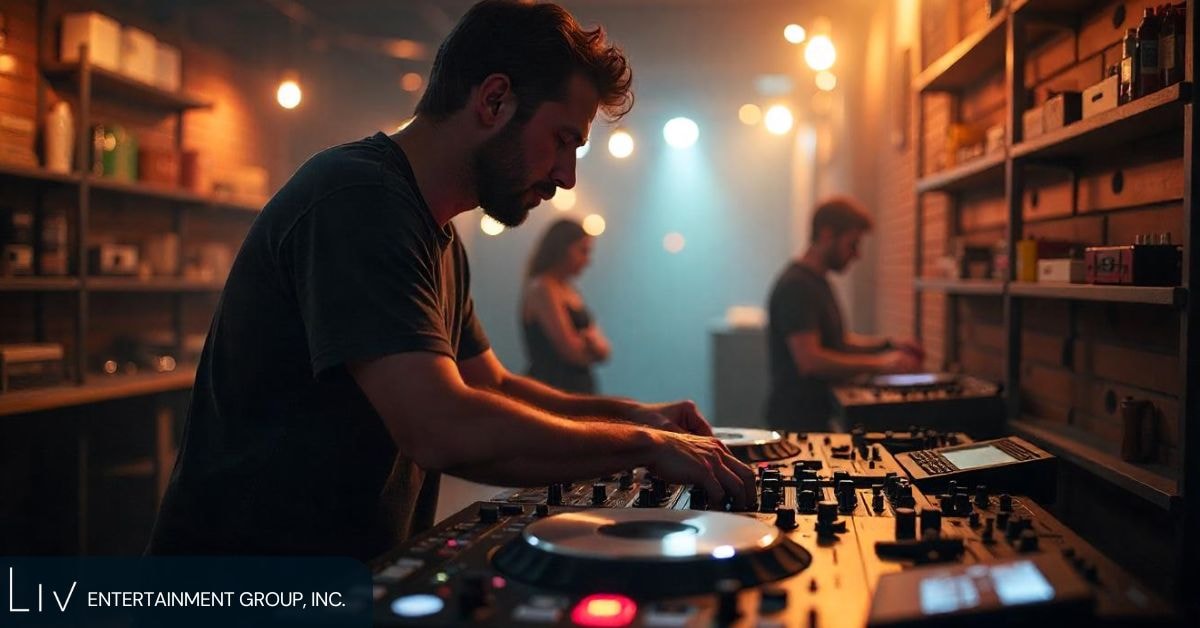
Local music stores often have a selection of DJ mixers, turntables, and speakers available for rent at reasonable prices. These shops typically cater to beginners and intermediate DJs who need budget-friendly equipment for small parties, gigs, or practice sessions. However, if you’re looking for high-end gear like Pioneer DJ CDJs, Rane mixers, or QSC speakers, a professional DJ rental company is the way to go. These businesses specialize in providing top-tier equipment, often offering delivery, setup, and technical support for large-scale events such as weddings, corporate functions, and night-long parties.
Event production companies are another great option, especially if you need more than just DJ equipment. Many of these services offer full event setups, including stage control, lighting, fog machines, and sound systems, making them ideal for concerts and large-scale productions. While the pricing may be higher, the convenience of having everything set up professionally can be well worth it.
If you prefer a DIY approach, some online rental platforms allow you to book DJ gear and have it shipped directly to you. While this can be a cost-effective option, it requires more responsibility on your part for setup and troubleshooting. No matter where you rent from, be sure to check availability, pricing, and package deals to get the best value for your event.
DIY vs. Hiring a Professional DJ – Which Costs More?
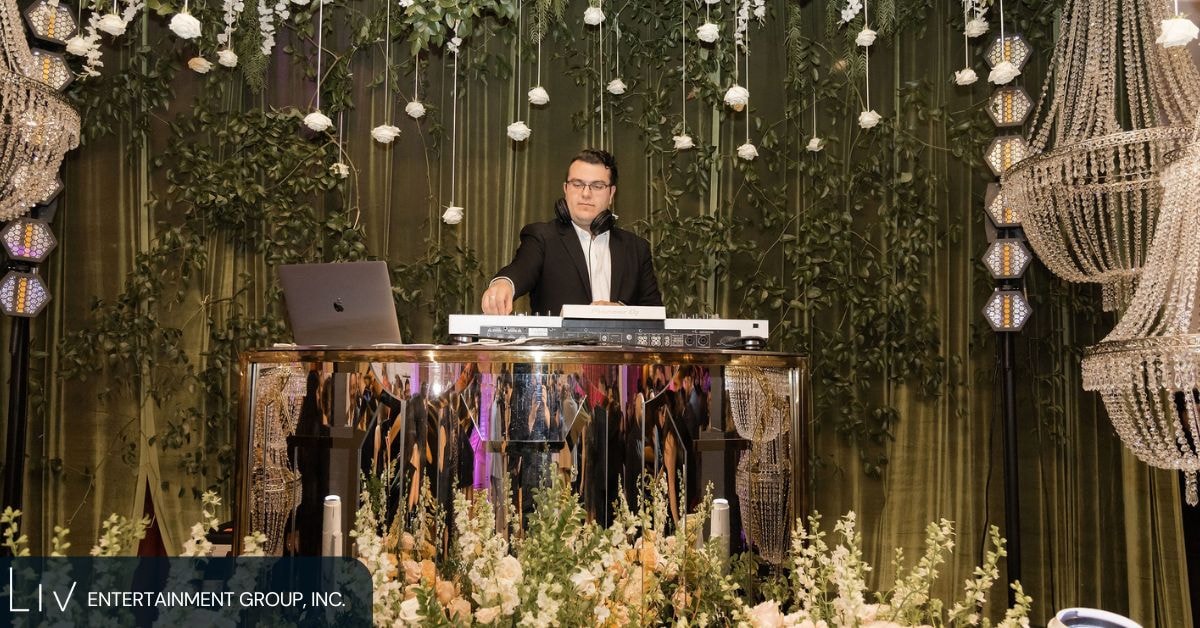
Sometimes, you have to decide between renting DJ equipment yourself or hiring a professional DJ. Before making a final decision, you should consider factors like budget, experience, and event type. If you already know your way around a DJ controller, mixer, and turntables, renting DJ gear for a night-long event can be cheaper than paying for a full DJ service.
On the other hand, hiring a professional DJ means you’re paying not just for the equipment but also for their experience, music curation, and ability to read the crowd. A skilled DJ knows how to keep the energy flowing and can adapt the music to fit the vibe of your event, whether it’s a wedding, corporate function, or private party. The cost of hiring a DJ typically starts at $500 to $3,500 per hour, depending on their reputation, experience, and the duration of your event.
If you’re on a tight budget and have the skills to mix your own tracks, a DIY setup with rented DJ gear might be the way to go. However, if you want a stress-free experience with flawless mixing, seamless transitions, and a lively atmosphere, hiring a professional DJ is worth the investment.
Need a Professional DJ for Your DJ Equipment?
Whether you’re hosting a wedding, private party, corporate event, or nightclub gig, a skilled DJ ensures that the night flows seamlessly, the energy stays high, and your guests have an unforgettable experience. Even the best Pioneer DJ controllers, Technics turntables, and QSC speakers won’t deliver the magic if there’s no one to work them properly!
If you want to elevate your event, let Liv Entertainment take care of the beats. Our professional DJs bring top-tier skills, an incredible music selection, and years of experience in crafting the perfect vibe for any crowd. Ready to bring your event to life? Contact Liv Entertainment today.