

Quick answer
DJs can be grouped by role, such as wedding, corporate event, club, mobile, and festival DJs, or by genre, such as hip-hop, EDM, and open-format DJs. To choose the right one, match the DJ's experience to your type of event and their music style to your crowd.
Posted on July 23, 2026 07/23/2026 · Updated July 27, 2026 07/27/2026 By DJ Nathan
DJs can be categorized by role, such as corporate events and festival DJs, or by genre, like hip-hop and classical DJs. While DJs specializing in genres focus on mastering specific music styles, DJs who tailor their brand to a role do so to meet the demands of the occasion they are playing at. To choose a DJ whose skill set perfectly aligns with your event, it’s helpful to understand the different types of DJs.
Since 2017, LIV Entertainment has helped clients create unforgettable weddings, corporate events, and private celebrations through customized live entertainment and event production. Based in Culver City, California, we serve clients across the United States with a team of experienced producers, musicians, DJs, lighting designers, and stage engineers who work alongside you from the first planning call to the final song of the night. Whether you’re comparing the different types of DJs or looking for the right fit for your event, contact us today and let our team help bring your vision to life.
This post delves into DJs by role and genre, showing their unique contributions in various settings. We also go over some useful steps in hiring a DJ and share the average pricing to help you budget properly for your next event.
Different Types of DJs by Role
DJs who categorize themselves by role bring a unique skill set that matches the demands of whatever event they perform at. Examples of such DJs are:

Mobile DJ
Mobile DJs offer versatile services for all types of events. They are able to take on the role of a corporate event DJ to enhance professional gatherings or as a DJ for a party to keep the dance floor alive at social celebrations. Because of their portable sound systems and other DJ equipment, mobile DJs can easily play from any venue. A key skill for all mobile DJs is being experts at handling sound systems. They must also excel at creating playlists and transitioning between genres.
Radio DJs
Radio DJs are entrusted with the responsibility of curating music for radio broadcasts using their witty on-air commentary and carefully curated playlists. Radio station DJs differ from live performance DJs in terms of how they manage their listeners. Live performance DJs tend to focus their efforts on adapting to the crowd’s energy in real time, whereas radio station DJs are focused on maintaining a consistent mood for their remote audience. ;Radio DJs depend on more than their ability to craft playlists to keep their audience engaged. They also excel in voiceovers, storytelling, and interactive segments like call-ins.

Club DJs
As you might have guessed, a club DJ’s primary responsibility is to keep the energy alive in nightclubs, lounges, and other nightlife venues. Like mobile DJs, club DJs need to master the use of equipment such as mixers. Additionally, both DJs need to know how to read the crowd and adapt to their moods in real-time. The major difference between a club DJ and a mobile DJ is in how they perform. Club DJs focus on raising the energy levels of a crowd within a confined space. In contrast, mobile DJs cater to a more diverse audience in various locations.
Bedroom DJs
A bedroom DJ is anyone who performs mainly in the comfort of their home instead of playing in front of a physical audience. These types of DJs typically have small setups that include a turntable, mixers, and DJ software, which allows them to experiment with mixing and producing music. To gain recognition, these DJs share their work on platforms like YouTube and Twitch. Many professional DJs start off as bedroom DJs. During this stage of their career, they dedicate most of their time to learning different techniques, exploring different genres, and developing their own style without the pressures associated with live performances.
Festival DJs
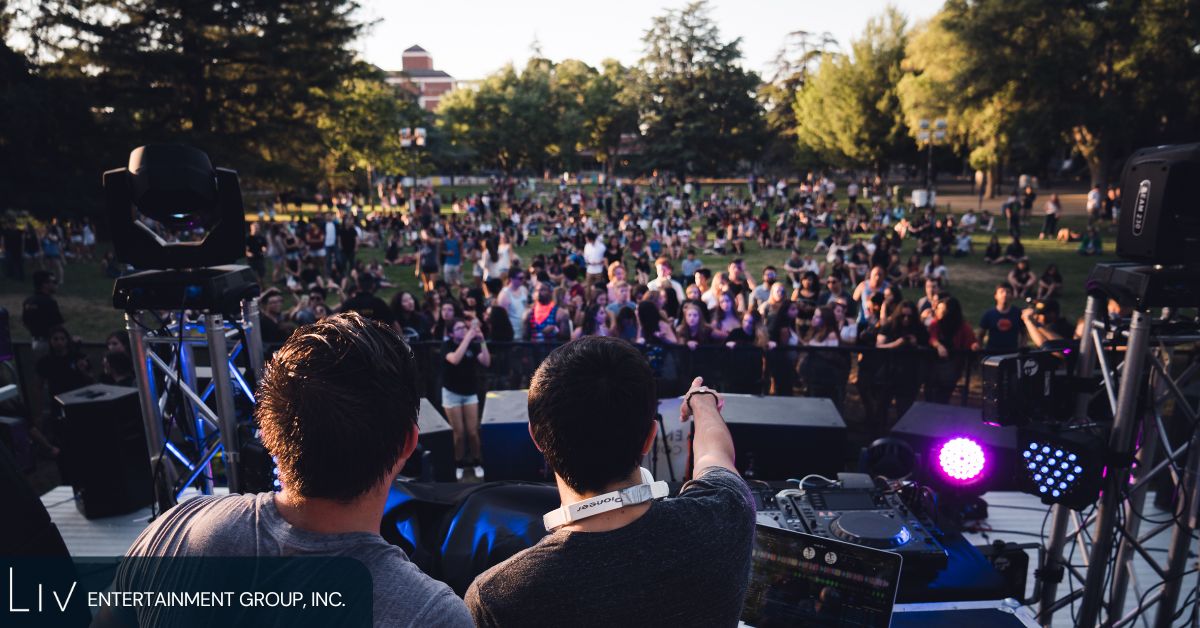
Festival DJs play at large-scale events, and it’s their job to keep their massive audiences captivated with their energetic sets. The major difference between a festival DJ and a club DJ is the number of people they perform for and the venue. Club DJs focus on a small group of people within an indoor venue, whereas festival DJs often cater to thousands of people at a time. They also use much more advanced equipment than your average club DJ and have more elaborate setups.
Festival DJs craft their performances to match the grandeur of the occasion, which is why they are filled with dramatic transitions and crowd-pleasing drops. However, their sets are much shorter than those of other DJs because their performances are usually part of a larger lineup.
Resident DJ
A resident DJ is just one who performs regularly at a specific venue, such as a nightclub, lounge, or resort. Their main responsibility is to set the tone of the establishment and maintain a consistent vibe that aligns with the venue’s brand. Unlike guest DJs, resident DJs build long-term relationships with their audience and create a familiar experience for regular visitors. They play an essential role in maintaining a venue’s energy, with changes only occurring when a thematic or seasonal event is taking place.
Wedding DJs
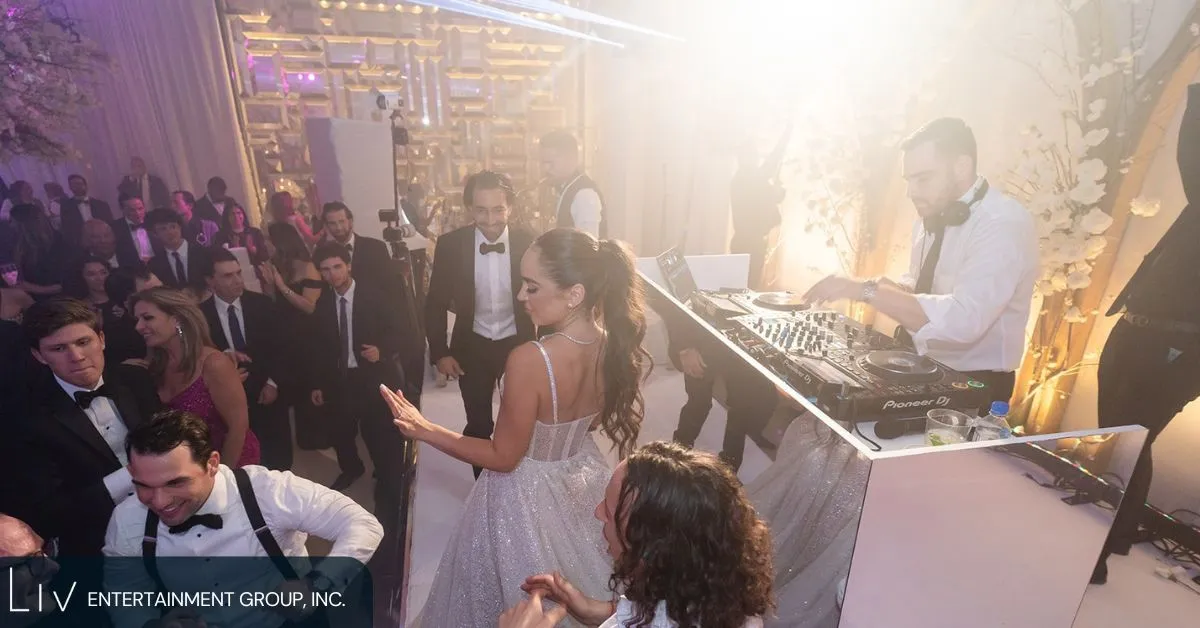
Wedding DJs are DJs who specialize in playing at weddings. Most couples will opt for a DJ with extensive experience playing at weddings instead of a DJ with general experience. We encourage this because a wedding is more than a party but rather a deeply personal gathering. Hence, working with an experienced wedding DJ gives you the luxury of working with someone who knows how to navigate the flow of a wedding.
A great wedding DJ must know how to use their musical expertise to manage the timing of an event and maintain the perfect ambiance throughout the ceremony. The peculiarity of wedding DJs, when compared with their counterparts, is the emphasis that is placed on their ability to transition from one event to another.
Turntablist/Scratch DJ
Turntablists, also called scratch DJs, are specialized disc jockeys who use vinyl records and turntables as instruments to mix music. These DJs often experiment with different music genres, adding a more dynamic twist to their performances. The main difference between scratch DJs and other DJs is that they focus on scratching and beat juggling to keep guests entertained. Scratch DJs love to showcase their skills in environments where creativity and technical ability are appreciated, such as DJ battles, hip-hop events, and nightclubs.
Different Types of DJs by Genres

To create immersive experiences for their audience, DJs who focus on genre focus on mastering the specific music styles within that genre. Below, we highlighted some popular and not-so-popular DJ types by genre:
Electronic Dance Music (EDM) DJ
These DJs have dominated clubs and festivals thanks to their ability to enthrall an audience with their high-energy beats. They often specialize in genres like techno, house, and trance. Their most valuable skill is their ability to seamlessly blend tracks and create a continuous flow of music that keeps a crowd engaged for hours.
These types of DJs can be further categorized into house DJs and techno DJs. House DJs are popular in lounges and clubs because of their focus on melodic beats with steady tempos. Techno DJs, on the other hand, are a staple in underground venues and festivals thanks to their more intense sounds with basslines and hypnotic loops. Both house and techno DJs bring a unique mastery of the overall EDM genre in a way that continues to keep the nightlife world alive.
Hip-Hop DJ
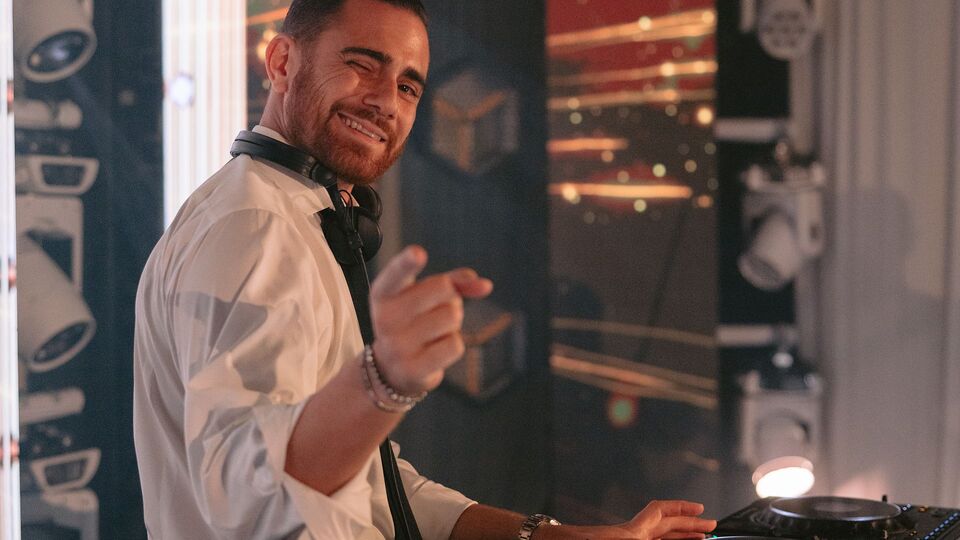
Hip-hop DJs are easily regarded as the masters of turntablism and scratching. Their artistry lies in blending classic hip-hop tracks with fresh beats, often incorporating live MCs to energize the crowd.
Rock DJs
You’ll most likely find one at a rock radio station or a live event. In addition to mixing rock tracks, these DJs also incorporate DJ techniques such as looping or sampling. Some even try to integrate live instruments in an attempt to bridge the gap between traditional rock music and modern DJ performances, adding versatility to their set performances.
Pop DJs
These DJs are popular for playing mainstream hits, which allows them to cater to large audiences at events or parties. Their sets seamlessly blend various pop sub-genres, which is what makes them so appealing. Pop DJs are skilled in creating feel-good atmospheres that resonate with a broad range of listeners.
Classical DJs
One may refer to classical DJs as a unique set of innovators who have found a way to create a genre-defying sound by blending classical music with electronic beats. Though this musical style is unconventional, it brings a fresh perspective to how traditional music can be enjoyed in a modern setting.
Dubstep DJ
Dubstep DJs are masters of curating high-energy sets that feature heavy bass drops and syncopated rhythms. Known for detailed sound design, dubstep DJs create immersive sonic experiences that dominate the underground and festival scenes.
Reggae/Dancehall DJ
These DJs specialize in Caribbean rhythms and are gifted in blending reggae and dancehall tracks. To add to their portfolio, you will often see them experimenting with dub techniques or remixes in their spin. Their sets bring lively energy to parties, celebrating the rich cultural roots of these genres.
Popular Types of DJs at a Glance
The different types of DJs can be grouped in two main ways: by the role they perform and the music genres they specialize in. DJs who perform by role focus on specific events, such as weddings, corporate events, clubs, or festivals, while genre specialists master particular styles of music. The tables below provide a quick comparison of the most popular types of DJs , making it easier to understand their strengths and choose the right one for your event.
DJs by Role
| DJ Type | Primary Role | Best For | What Makes Them Different? |
|---|---|---|---|
| Mobile DJ | Performs at a variety of events using portable equipment | Weddings, birthday parties, school dances, corporate events , and private parties | Brings their own sound system and adapts playlists to different audiences and venues. |
| Wedding DJ | Creates a smooth musical experience for weddings | Ceremonies, cocktail hours, and receptions | Manages the event timeline and transitions smoothly between every part of the celebration. |
| Club DJ | Keeps the energy high in nightlife venues | Clubs, lounges, and bars | Reads the crowd in real time and keeps the dance floor full with continuous mixing. |
| Festival DJ | Performs for large audiences at major events | Music festivals and outdoor concerts | Delivers high-energy sets with dramatic drops, visuals, and crowd interaction. |
| Resident DJ | Performs regularly at one venue | Clubs, lounges, hotels, and resorts | Builds a signature sound that matches the venue and keeps guests coming back. |
| Radio DJ | Curates music and hosts broadcasts | Commercial and community radio stations | Combines music programming with voiceovers, interviews, and audience engagement. |
| Bedroom DJ | Develops skills and builds an online audience | Home studios and livestreams | Experiments with mixing techniques, DJ software, and different music genres before performing professionally. |
| Turntablist (Scratch DJ) | Uses turntables as musical instruments | Hip-hop events, DJ battles, and live showcases | Specializes in scratching, beat juggling, and creative sound manipulation. |
DJs by Genre
| DJ Genre | Popular Music Style | Common Events | Signature Style |
|---|---|---|---|
| EDM DJ | Electronic dance music | Festivals and clubs | Fast-paced sets with seamless transitions and powerful drops. |
| House DJ | House music | Clubs, lounges, and private parties | Uses beatmatching and phrase mixing to create long, uninterrupted blends. |
| Techno DJ | Techno | Underground clubs and festivals | Builds energy with driving rhythms, hypnotic loops, and deep basslines. |
| Hip-Hop DJ | Hip hop | Parties, clubs, and live performances | Mixes classic and modern tracks while using scratching and cutting techniques. |
| Pop DJ | Pop music | Weddings, birthday parties, and corporate events | Plays familiar hits that appeal to guests of all ages. |
| Rock DJ | Rock | Live events and themed parties | Blends rock tracks with modern DJ mixing techniques. |
| Dubstep DJ | Dubstep | Festivals and clubs | Creates high-energy performances with heavy bass and dramatic sound effects. |
| Reggae/Dancehall DJ | Reggae and Dancehall | Cultural celebrations and private parties | Mixes Caribbean rhythms with remixes that keep the crowd moving. |
| Classical DJ | Classical crossover | Luxury events and formal receptions | Combines classical music with electronic elements for a modern, elegant sound. |
How to Choose the Right Type of DJ for Your Event

To choose the right DJ you need to understand the different types of DJs and how their skills match your event. A wedding, corporate event, birthday party, or music festival each requires a different approach to entertainment. One thing we’ve learned after helping clients plan events is that the right DJ creates an experience, not just a playlist. Professional DJs know how to read the room, adapt to changing energy, and keep guests engaged from start to finish. Use the B.E.A.T. framework below to find a DJ who fits your vision, budget, and audience.
B- Build Around Your Event
Start by identifying the type of event you are hosting before choosing a DJ. Mobile DJs are ideal for weddings, corporate events, school dances, birthday parties , and private parties because they bring their own equipment and adapt to different venues. Wedding DJs understand ceremony timing, receptions, and special moments, while club DJs focus on nightlife and keeping the dance floor full. Matching the DJ to your event helps create a smoother experience for both guests and organizers. Nathan Javidzad, CEO of LIV Entertainment, says, “The right DJ is the one whose experience matches the occasion, not simply the one with the biggest playlist.”
E- Explore Their Experience
A strong portfolio tells you far more than a list of music genres. Ask to hear sample mixes, watch videos from previous events, and read reviews from past clients before making a decision. Many professional DJs start as bedroom DJs, refining their craft before performing for larger audiences, so experience should always outweigh popularity alone. According to the National Endowment for the Arts , 54.3% of U.S. adults attended artistic, creative, or cultural activities in a 12-month period, with live music performances being the most frequently attended activity. Professional DJs who continue learning, performing, and adapting are more likely to create memorable events than those with limited real-world experience.
A- Ask About Equipment
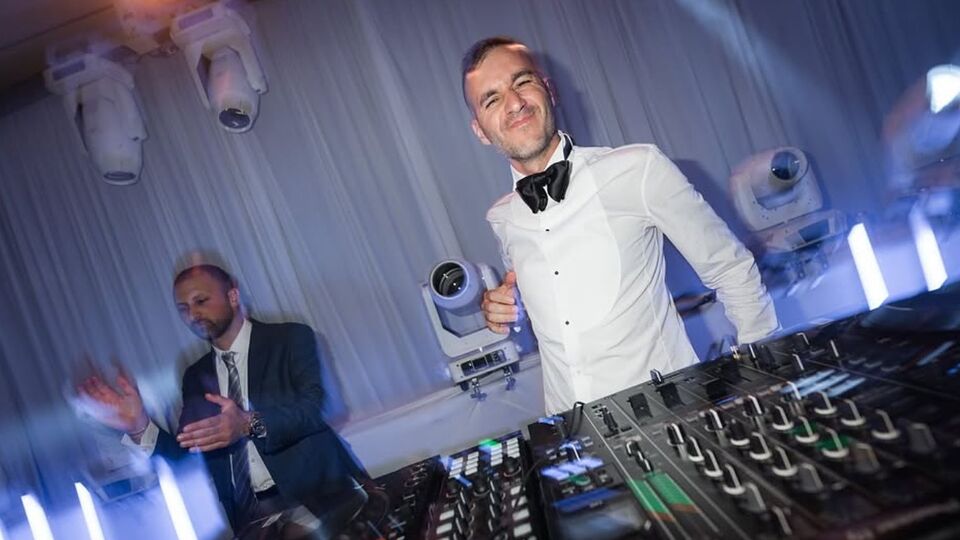
The quality of the performance depends on more than the person behind the booth. Ask whether the DJ provides a professional sound system, DJ mixer, controllers, microphones, lighting, backup equipment, and the DJ software needed for your venue. If you are hiring a turntablist, ask whether they perform with vinyl records, turntables, and a crossfader for techniques like beatmatching, scratching, and beat juggling. Mobile DJs should also confirm they have portable sound systems and enough equipment for your venue size. Novaj Javidzad, COO of LIV Entertainment, says, “Reliable equipment gives DJs the freedom to focus on the crowd instead of worrying about technical problems.”
T- Talk Through Your Music Preferences
Before your event, discuss the types of DJ music you want to hear and any songs you want to avoid. Whether you prefer electronic dance music, hip hop, house music, tech house, deep house, pop music, or multiple genres, your DJ should understand your vision. Great DJs know when to change the tempo, introduce new music, or revisit familiar favorites to keep guests engaged throughout the event. This conversation also helps the DJ understand your audience and build a playlist that matches the atmosphere you want to create. Taking time to communicate your expectations helps ensure the music feels personal, keeps the dance floor active, and creates an unforgettable celebration.
Essential DJ Equipment and Controller Types
Great DJs do more than play music. The equipment they use helps them create smooth transitions, manage sound, and keep guests entertained throughout the event. According to the National Independent Venue Association , independent live venues, festivals, and promoters welcomed 183.7 million fans in 2024, showing the continued demand for quality live entertainment. We’ve found that many clients don’t realize how much a DJ’s setup affects the overall experience. Different types of DJs use different equipment depending on where they perform and the music they play.
DJ Controllers
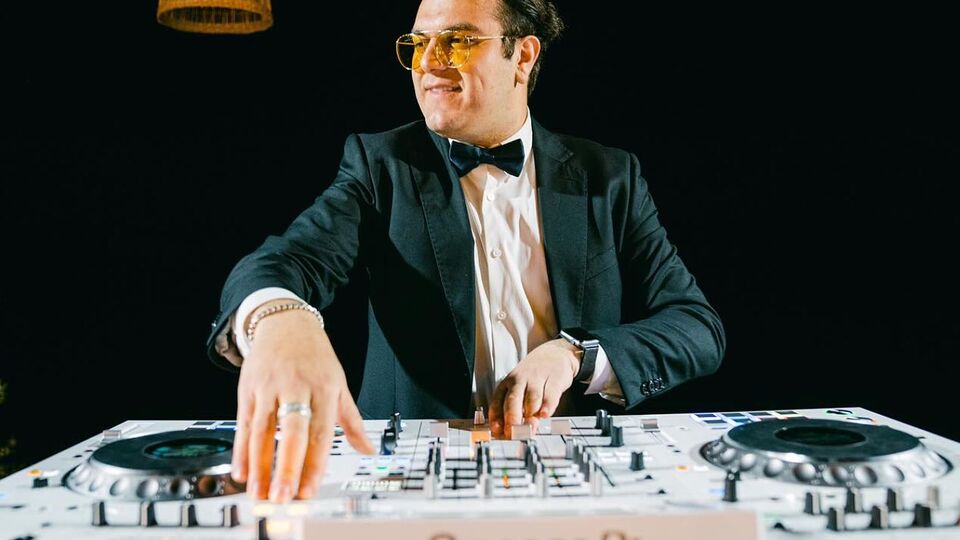
A DJ controller is one of the most common tools used by professional DJs today. It works with DJ software to help DJs play songs, control effects, and mix tracks together. Mobile DJs often use controllers because they are easy to transport and work well at different events. Many controllers also connect to speakers, microphones, and other DJ equipment. The right controller helps DJs deliver smooth, organized performances.
Turntables and Vinyl Records
Some DJs still perform with turntables and vinyl records instead of digital equipment. These DJs, often called scratch DJs or turntablists, use their hands to create new sounds while the music plays. Popular techniques include scratching, beat juggling, and turntablism, which take years of practice to master. You’ll often see these performances at hip-hop shows and DJ competitions. They are a great example of the creativity behind DJing.
DJ Mixers and Crossfaders
A DJ mixer helps DJs combine songs without stopping the music. One important part of the mixer is the crossfader, which lets DJs move smoothly from one track to another. Mixers also allow DJs to adjust the volume, bass, and sound effects during a performance. Whether they use controllers or turntables, DJs rely on mixers to keep the music flowing. A good mixer helps create a better listening experience for everyone.
Sound Systems and Portable Equipment
A reliable sound system is just as important as the music itself. Mobile DJs usually bring portable sound systems, speakers, microphones, and other equipment to each event. They also make sure the setup fits the venue so every guest can hear the music clearly. Many professional DJs carry backup equipment in case something stops working. One thing we’ve learned is that good preparation helps every event run more smoothly.
Types of DJ Mixing Techniques
Every DJ has their own mixing style, but most use a few basic techniques. Beatmatching keeps two songs playing at the same speed so the transition sounds smooth. House DJs and techno DJs often use beatmatching and phrase mixing to keep the music flowing, while hip-hop DJs use scratching for more energetic performances. Schubert Avakian, Music Director at LIV Entertainment, says, “The equipment helps, but it’s the DJ’s skill and timing that keep people on the dance floor.” These techniques help DJs create a fun experience that keeps guests engaged from beginning to end.
How Much Does a DJ Cost?
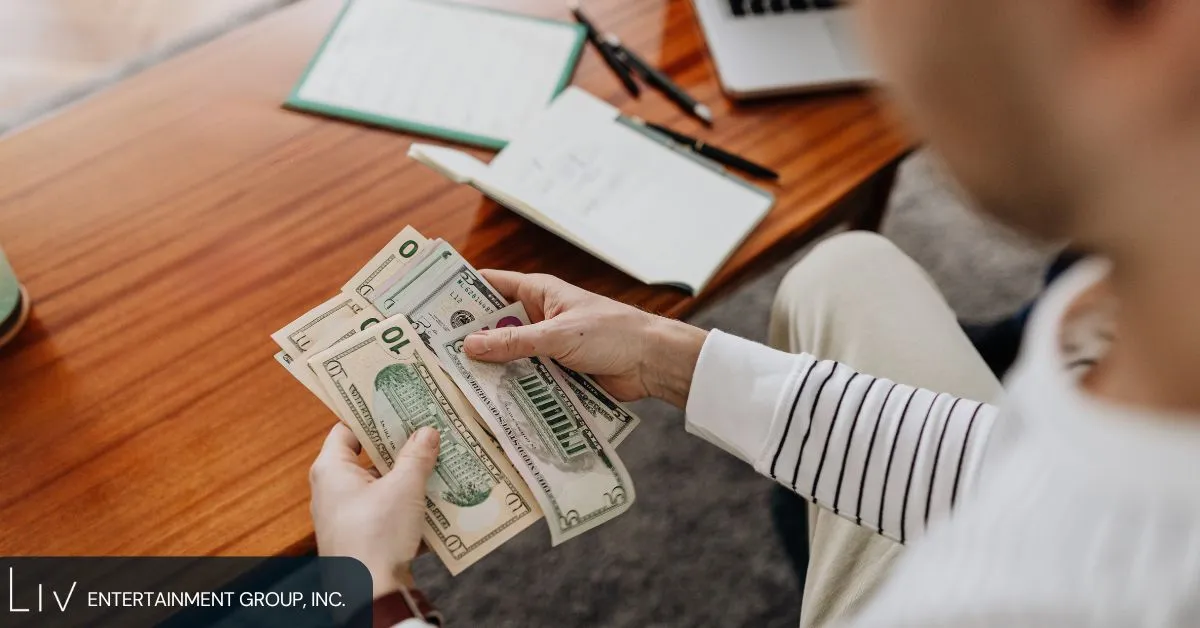
On average, a DJ charges between $265 and $550 or more per hour depending on several factors, such as their experience and the duration of your event. For specialized services the rates could be higher, for example, the average cost of a wedding DJ ranges from $1,500 to $20,000. Professional DJs typically charge higher rates, but their expertise and skill justify it!
Some factors that can influence DJ pricing include the size of the event, the equipment required, and the DJ’s reputation. Travel expenses and additional services like emceeing could also drive up costs.
When budgeting, prioritize quality and experience to ensure your event is unforgettable, as the DJ plays a critical role in its success.
Ready to Set the Perfect Vibe for Your Event with LIV’s DJs?
DJs play an important role in the entertainment industry, and each type brings a different set of skills to the table. From club DJs with their energizing nightlife performances to wedding DJs who are masters of curating memorable moments, each one contributes something special to your event.
We encourage you to hire a DJ that aligns with your interests and event needs. Not sure where to start? LIV Entertainment Group offers a free consultation to help you find the perfect match. Visit us in person at LIV Entertainment Group . Let’s make your event unforgettable!
Frequently Asked Questions
Below are answers to common questions about the different types of DJs for an event.
What Are the Different Types of DJs?
The different types of DJs include mobile DJs, wedding DJs, club DJs, festival DJs, radio DJs, resident DJs, turntablists, and bedroom DJs. They can also be grouped by the music they play, such as hip hop, house, techno, EDM, pop, and reggae.
What Type of DJ is Best for a Wedding?
A wedding DJ is usually the best choice because they know how to manage the ceremony, cocktail hour, reception, and special moments. They also work closely with couples to create a playlist that matches the celebration.
What Type of DJ is Best For a Corporate Event?
A corporate event DJ understands how to balance background music, announcements, and entertainment while maintaining a professional atmosphere. They can also adjust the music to suit networking sessions, award ceremonies, and company celebrations.
What Equipment Does a Professional DJ Use?
Most professional DJs use a DJ controller or turntables, a DJ mixer, DJ software, microphones, speakers, and a reliable sound system. Many also bring backup equipment to keep the event running smoothly if technical issues arise.
What’s the Difference Between a DJ Controller and Turntables?
A DJ controller works with DJ software and is popular because it’s portable and easy to use. Turntables are often used with vinyl records and are preferred by turntablists and scratch DJs who enjoy a more hands-on performance.
Can One DJ Play Different Music Genres?
Yes, many DJs perform across multiple genres, including electronic dance music, hip hop, house, pop, reggae, and R&B. Experienced DJs know how to mix different styles while keeping the energy consistent throughout the event.
Do DJs Create their Own Music?
Some DJs also work as music producers and create original tracks or remixes, while others focus on mixing and performing existing songs. Festival DJs and electronic dance music artists often combine both roles.
How Do I choose the Right DJ for My Event?
Choose a DJ whose experience matches your event, review their previous work, discuss your music preferences, and confirm what equipment they provide. Asking these questions early will help you find a DJ who fits your style, budget, and entertainment goals.