
How To Plan A Wedding Reception
Planning a wedding reception can feel like juggling champagne glasses while answering family group chats. If you’re wondering how to plan a wedding reception, start with your budget, guest list, reception venue, and wedding reception timeline. Get those foundations right, and everything else becomes much easier.
At Liv Entertainment, we’ve spent the last 9 years helping couples throw unforgettable celebrations. In our experience, guests remember packed dance floors and great entertainment more than perfect napkin folds. Ready to create a wedding reception everyone will rave about? Contact our team today.
In this guide, we’ll cover wedding reception planning from start to finish. We’ll walk through budgeting, wedding reception logistics, vendor coordination, timelines, and the wedding reception details that elevate the guest experience.
What Is Wedding Reception Planning?
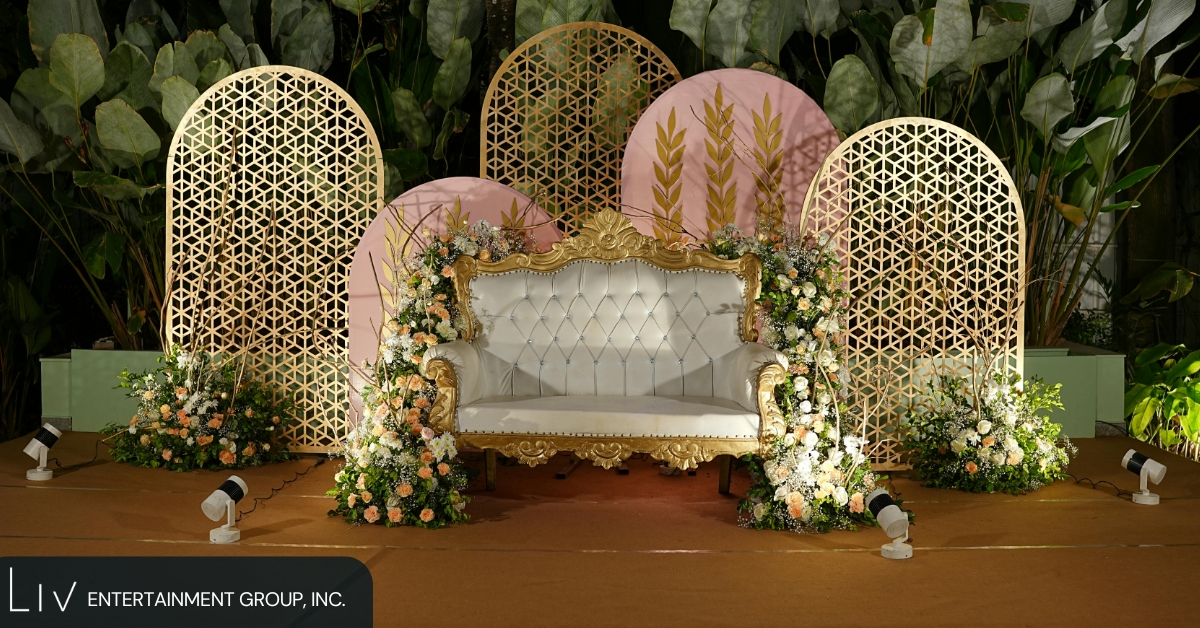
Wedding reception planning is the process of organizing everything that happens after the wedding ceremony. It covers your budget, reception venue, food, entertainment, décor, seating arrangements, and all the behind-the-scenes details that guests never see. The goal is to create a celebration that feels effortless, even when months of planning made it possible.
We’ve seen enough weddings to know that guests rarely talk about the spreadsheet behind the event. They talk about the packed dance floor, the amazing food, and the moments that made them laugh. As Novaj Javidzad, COO of Liv Entertainment, says, “The best wedding receptions feel natural and effortless, but they are always built on thoughtful planning.” That’s why wedding reception organization is about creating an experience, not just checking items off a list.
Key Elements of Wedding Reception Planning
A great wedding reception does not happen by accident. Behind every packed dance floor, flawless grand entrance, and emotional cake cutting is a plan that keeps everything moving smoothly. According to the Centers for Disease Control and Prevention (CDC), more than 2 million marriages take place in the United States each year. That’s a lot of couples discovering that wedding reception planning is equal parts excitement and logistics.
Let’s start with the venue because everything else revolves around it. Choosing a venue is one of the biggest decisions in the planning process. We recommend focusing on more than just pretty photos. Consider the venue size, location, accessibility, parking, and climate control. Nobody wants guests melting in summer heat or searching for portable heaters in winter. If you’re hosting the wedding ceremony and reception in the same location, you can often simplify wedding reception logistics and save money at the same time.
Next comes food, and trust us, your guests will remember it. Work closely with your caterer to create a menu that matches your reception style and budget. Many caterers offer sample menus at different price points, which makes decision-making much easier. We also recommend including dietary options such as vegetarian and gluten-free meals. If you’re trying to save money, buffet service or food stations can deliver variety without the cost of multiple courses.
Now let’s talk about entertainment, because nobody dreams of an empty dance floor. Whether you choose a live band or a DJ for wedding reception, entertainment plays a huge role in the guest experience. In our experience, couples should lock in key vendors as soon as the wedding date is confirmed because the best options disappear quickly. Photo booths, lawn games, live painters, and interactive stations can also keep guests engaged between special dances and formal moments.
Finally, there is décor. This is where your personality gets to shine. Good lighting sets the mood, floral arrangements personalize the space, and custom signs help tell your story. We recommend making the most of your venue’s existing features before renting extra décor. A well-planned design can leave a lasting impression without blowing the budget.
One more thing. Budgeting should guide every decision. We typically recommend allocating about 40% to 50% of your total wedding budget to the venue, catering, and rentals. These areas have the biggest impact on the overall guest experience. When these key elements work together, your wedding reception feels less like an event and more like a celebration people will be talking about long after the grand exit.
Best Strategies To Use in Planning a Wedding Reception

First, create a realistic budget and stick to it. We recommend allocating roughly 40% to 50% of your wedding budget to the venue, catering, and rentals because these elements have the biggest impact on the guest experience. A stunning ice sculpture is nice. A comfortable venue and great food are even better.
Next, secure your venue and key vendors as early as possible. Popular venues, bands, DJs, photographers, and caterers can book out months or even years in advance. Once your wedding date is confirmed, confirm bookings quickly to avoid disappointment later.
Another smart strategy is building a clear wedding reception timeline. Most wedding receptions last about five hours and typically include a cocktail hour, grand entrance, first dance, welcome speech, dinner service, parent dances, cake cutting, and dancing. We always recommend adding 10 to 15 minutes of buffer time between major events because weddings love throwing little surprises your way.
Don’t forget about guest comfort. Make sure your reception space has appropriate heating or cooling, comfortable seating, and enough room for guests to move around. A lounge area can also give friends and family a place to relax when they need a break from the dance floor.
Entertainment deserves a strategy of its own. As Novaj Javidzad, COO of Liv Entertainment, says, “Great entertainment doesn’t just fill a schedule. It creates the moments guests remember most.” Whether you choose a live band, DJ, photo booth, or interactive experience, your entertainment should match the energy you want your wedding reception to have.
Finally, focus on the details that make the celebration feel personal. Custom signs, signature cocktails, meaningful songs, family photos, and interactive food experiences can help tell your story. After all, many weddings look beautiful. The unforgettable ones feel unmistakably like the couple being celebrated.
How Do You Select The Perfect Venue?
Choosing the perfect venue is a little like choosing the perfect pair of wedding shoes. It needs to look amazing, but it also has to work. A beautiful venue can impress guests, but a practical venue can save your sanity. That’s why venue selection is one of the most important parts of wedding reception planning.
Start with accessibility and parking. Your guests should not need a treasure map to find the venue or a miracle to find a parking spot. We recommend checking parking capacity, accessibility features, and proximity to hotels if out-of-town guests are attending. The easier it is for guests to arrive, the better their experience will be from the start.
Next, consider your space options. Some couples love the flexibility of having both indoor and outdoor areas available. Outdoor ceremonies can be stunning, but Mother Nature occasionally likes to ignore the schedule. That’s why we always recommend having a weather contingency plan in place. A backup indoor space can be the hero of your wedding day.
Technical amenities deserve a spot on your venue checklist too. Before making a decision, ask about sound systems, lighting, power access, and staging capabilities. A venue with strong technical support can make entertainment setup much easier and may reduce rental costs
Climate control is another feature couples often overlook until it’s too late. We recommend confirming that the venue can comfortably accommodate your guest count throughout the event. Guests remember great food and great music. They also remember being too hot or too cold for five hours.
As Novaj Javidzad, COO of Liv Entertainment, says, “The best venues don’t just look good in photos. They create an environment where guests can relax, celebrate, and enjoy every moment.” In our experience, the perfect venue strikes a balance between beauty, functionality, and guest comfort.
Finally, think beyond aesthetics. Look at how the space will function during the cocktail hour, dinner service, dancing, and special moments like the first dance and cake cutting. A venue that supports your wedding reception timeline will make the entire celebration feel effortless for both the couple and their guests.
Event Types and Capacity
Choosing the right venue size is a balancing act. Too much space can make a celebration feel empty, while too little can leave guests wishing for extra elbow room. In our experience, the best wedding receptions match the venue size to the guest count while allowing enough flexibility for different activities throughout the event.
| Event Type | Typical Guest Count | Capacity Considerations | Setup Flexibility |
|---|---|---|---|
| Intimate Wedding Reception | 20–50 guests | Smaller venues create a cozy atmosphere and encourage interaction among guests. | Space can easily transition between ceremony, dinner service, and dancing. |
| Mid-Sized Wedding Reception | 50–150 guests | Requires balanced seating arrangements, comfortable walkways, and room for entertainment. | Flexible layouts can accommodate a cocktail hour, dining area, and dance floor. |
| Large Wedding Reception | 150–300+ guests | Needs sufficient seating, parking, restrooms, and crowd flow management. | Larger venues should support multiple zones for dining, entertainment, and socializing. |
| Indoor Reception | Varies by venue size | Offers climate control and predictable conditions regardless of weather. | Allows for multiple room configurations and easier technical setup. |
| Outdoor Reception | Varies by venue size | Requires consideration for weather, accessibility, and guest comfort. | Can accommodate creative layouts but should include a weather contingency plan. |
| Hybrid Indoor-Outdoor Reception | 50–300+ guests | Gives guests more room to spread out while maximizing venue features. | Provides flexibility for cocktail hour outdoors and dinner or dancing indoors. |
We recommend asking venues about room reconfiguration options before booking. A flexible space can accommodate everything from the cocktail hour and dinner service to the first dance and late-night celebrations without feeling cramped or disjointed. The more adaptable the venue, the easier it becomes to create a seamless guest experience.
How Do You Plan Catering and Menu?

Let’s be honest. Guests might forget the table linens, but they’ll definitely remember the food. That’s why catering deserves a front-row seat in your wedding reception planning process. According to the National Restaurant Association, consumers increasingly value menu variety, fresh ingredients, and customizable dining experiences. Those same expectations often show up at wedding receptions too.
Start by choosing a caterer whose style matches your vision and budget. We recommend scheduling tasting sessions before making a final decision. Photos can be convincing, but your taste buds are much harder to fool. A tasting also gives you the chance to evaluate presentation, portion sizes, and service quality before the big day.
Menu customization is another must-have. Your wedding reception should feel like your celebration, not a copy-and-paste event from someone else’s Pinterest board. Work with your caterer to create a menu that reflects your personality while accommodating dietary preferences. Vegetarian, vegan, gluten-free, and allergy-friendly options help ensure all the guests feel included.
Seasonal and locally sourced ingredients can also elevate the dining experience. Fresh ingredients often taste better, support local businesses, and may even help manage costs depending on the season. For instance, a summer wedding might feature fresh berries and locally grown vegetables, while a fall reception could incorporate seasonal comfort foods.
Don’t overlook beverage planning. Signature cocktails are a fun way to add personality to your wedding reception, but they are not the only option. If you’re working with a tight budget, limiting bar selections can help reduce alcohol expenses without disappointing guests. We recommend offering a balanced mix of alcoholic and non-alcoholic beverages so everyone has something to enjoy.
Timing matters too. Dinner service typically lasts between 45 minutes and one hour, so your menu should fit comfortably within your wedding reception timeline. Whether you choose plated meals, buffet service, or food stations, make sure the flow feels seamless and keeps guests engaged.
As Novaj Javidzad, COO of Liv Entertainment, says, “Great catering isn’t just about serving food. It’s about creating moments guests remember between the music, speeches, and celebrations.” We couldn’t agree more. A thoughtful menu has a way of bringing people together and keeping the energy high throughout the wedding reception.
One final tip. Book your caterer as early as possible. Popular caterers are often among the first vendors to fill their calendars.
How Can You Enhance Guest Experience?
The secret to a memorable wedding reception is simple. Think about your guests as much as you think about the décor. In our experience, the weddings people rave about for years are the ones where guests feel comfortable, entertained, and genuinely included in the celebration.
Start with comfort. Make sure the reception space has appropriate heating or cooling, comfortable seating, and enough room for guests to move around freely. We also recommend creating a lounge area where guests can relax, chat, and recharge between activities. Not everyone wants to spend five straight hours on the dance floor, and that’s perfectly okay.
Food and drinks also play a huge role in the guest experience. Keep beverages easily accessible and ensure dietary preferences are accommodated whenever possible. Small touches such as late-night snacks, dessert tables, or signature cocktails can make the celebration feel more thoughtful and personalized.
Another way to elevate the experience is through interactive elements. Photo booths remain popular for a reason. Guests love taking home fun memories from the event. You can also consider lawn games, live painters, interactive food stations, or DIY cocktail experiences. These activities help keep guests engaged throughout the reception rather than waiting for the next scheduled event.
Most importantly, avoid long periods where guests have nothing to do. If you’re taking family photos after the ceremony, consider providing entertainment, refreshments, or activities during that time. Our guide on How To Keep Wedding Guests Entertained During Photos offers practical ideas that help maintain the energy while you’re busy with the camera.
Entertainment and Coordination
If food fuels the party, entertainment gives it life. A talented live band or DJ can completely transform the atmosphere of a wedding reception. We’ve seen guests who swore they wouldn’t dance become the last people standing on the dance floor.
Live music creates a unique energy that recorded playlists simply cannot match. Whether you choose a full band, acoustic performers, or a jazz band for wedding reception, the right entertainment helps create unforgettable moments throughout the evening. We recommend selecting performers who understand how to read a room and adapt to the crowd’s energy.
Entertainment should also support key moments in your wedding reception timeline. From the grand entrance and first dance to parent dances and cake cutting, music helps create smooth transitions and keeps guests engaged. A great entertainer knows when to raise the energy and when to let emotional moments shine.
Of course, even the best entertainment needs strong coordination behind the scenes. That’s where planning and execution come together. A coordinator helps manage timelines, communicate with vendors, and ensure every detail happens when it should. We always recommend assigning someone to oversee the schedule so the bride and groom can focus on celebrating instead of troubleshooting.
As Novaj Javidzad, COO of Liv Entertainment, says, “Guests may not notice perfect coordination, but they definitely notice when it’s missing.” That’s why seamless execution is one of the most valuable investments you can make during wedding reception planning.
Need Entertainment for Your Wedding Reception?
Planning a wedding reception can feel overwhelming at times, but the right approach makes all the difference. From setting a realistic budget and choosing the perfect venue to creating a clear wedding reception timeline and unforgettable guest experiences, every detail contributes to the success of your big day.
In our experience, the most memorable wedding receptions are not necessarily the most expensive ones. They’re the celebrations where great planning meets great entertainment. When guests are comfortable, engaged, and having fun, the entire event feels effortless.
That’s where we come in. For more than 9 years, Liv Entertainment has helped couples create wedding receptions filled with packed dance floors, incredible live music, and unforgettable moments. Whether you’re looking for a live band, DJ, specialty performers, or complete entertainment support, our team is here to help bring your vision to life.
Ready to start planning a wedding reception your guests will be talking about for years? Visit us or contact us today to speak with our team and begin creating the celebration you’ve been dreaming about.
Frequently Asked Questions
Wedding reception planning comes with plenty of questions, and for good reason. Here are some of the most common questions couples ask when planning their big day.
What Are Some Unique Wedding Reception Ideas?
Consider interactive experiences such as live painters, food stations, photo booths, signature cocktails, or surprise performances. Personal touches that reflect your story often create the most memorable moments for guests.
How Do I Create a Wedding Reception Timeline?
Start with key events such as the cocktail hour, grand entrance, first dance, dinner service, cake cutting, and grand exit. We recommend adding 10 to 15 minutes of buffer time between major activities to keep the day running smoothly.
What Are The Average Costs For a Wedding Reception?
Wedding reception costs vary based on location, guest count, venue, catering, and entertainment choices. Setting a clear budget early and prioritizing your must-haves can help you manage expenses more effectively.
What Are Some Popular Wedding Reception Venues?
Popular options include banquet halls, hotels, wineries, country clubs, barns, gardens, and waterfront venues. The best choice depends on your guest count, wedding style, and overall vision for the celebration.
How Can I Save Money On My Wedding Reception?
Consider hosting your wedding on a less popular date, limiting bar options, and using venue amenities instead of renting additional items. Buffet-style meals and venues that host both the ceremony and reception can also help reduce costs.