

Quick answer
What a wedding musician costs depends on how many players you book, how long they stay, which parts of the day they cover, your date and season, travel, and the sound the venue needs. A soloist or small group is a lighter booking than a full band. Compare what each quote includes, not just the total.
A violinist who plays half an hour of ceremony music and a twelve-piece band that plays four hours of reception are both wedding musicians, and their quotes have little in common. What you pay depends on how many players you book, how long they stay, which parts of the day they cover, your date, and where the wedding is. Two quotes that look far apart often cover different things, so the useful question is what each one includes.
LIV Entertainment Group has booked music for ceremonies, cocktail hours and receptions from our office in Culver City since 2017. Our booking sheet from January 2018 to July 2026 records 752 events at 149 venues in 8 states. We don't publish prices, because they change with the market and with each event. This guide explains what moves a wedding musician's quote instead, so you can compare offers fairly. If you already have a date and a venue, send us the details and we'll reply with availability and a quote within one business day.
Wedding Musicians by Type: What Each Option Covers
The right act depends on the moment. Ceremony music needs few players and a short set, while the reception asks for hours of dance music and the sound to carry it. This table shows where each type of musician fits and what pushes its quote up.
| Music type | Where it fits | What pushes the quote up |
|---|---|---|
| Soloist (violin, harp, guitar, saxophone, singer) | Ceremony, cocktail hour, a quiet dinner | Extra hours, a custom arrangement, amplification outdoors |
| Duo, trio or string quartet | Ceremony and cocktail hour | More players, a second location, songs outside the group's book |
| Live band | Reception and dancing | Lineup size, horns and extra vocalists, full sound and lighting, overtime |
| Wedding DJ | Reception and after-party | Hours, MC work, lighting, a live musician playing over the set |
| DJ plus live musicians | The whole day, split by moment | Two setups, the handoff between acts, extra sound |
The Knot's 2026 Real Weddings Study, which surveyed 10,474 couples married in 2025, found that 71% hired a DJ. A band is the bigger booking, and we compare the two side by side in our guide to the cost of a wedding band vs DJ.
What Affects the Price of Wedding Musicians?
Most quotes move on the same handful of things: how many people are on stage, how long they're booked, the date, travel, and the sound the room needs. Special song requests come after that.
Lineup and Number of Players
Every player is paid for the day, so lineup size moves the quote more than anything else. A solo violinist costs less than a trio, and a trio costs less than a full band with horns. More musicians also mean more equipment, a bigger stage footprint and a longer setup before the first song.
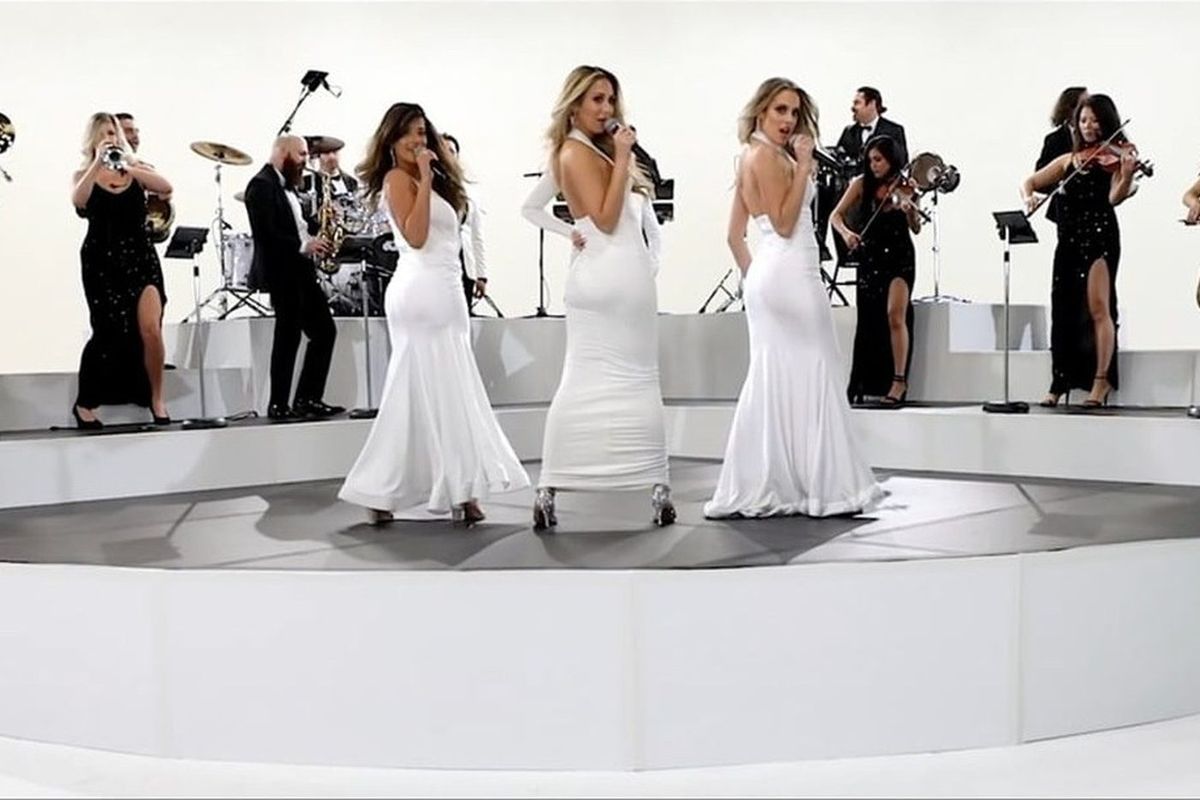
Our own roster shows how quickly a lineup can grow. Our string quartet is two violinists, a violist and a cellist. Our jazz bands range from a trio to a 20-piece band. Rouge can play with anywhere from 3 to 40 performers, and its premier 18-piece band adds musician solos, choreography and custom-arranged dinner shows.
Hours on Site
Musicians are paid for the time they're committed to your event, not only the minutes they play. WeddingWire's ceremony music guide says a ceremony booking usually covers setup, about 20 to 30 minutes of prelude music, the ceremony itself and the recessional, and that cocktail hour is an extra charge. For receptions, Zola's live band guide says most contracts specify four to five hours of performance.
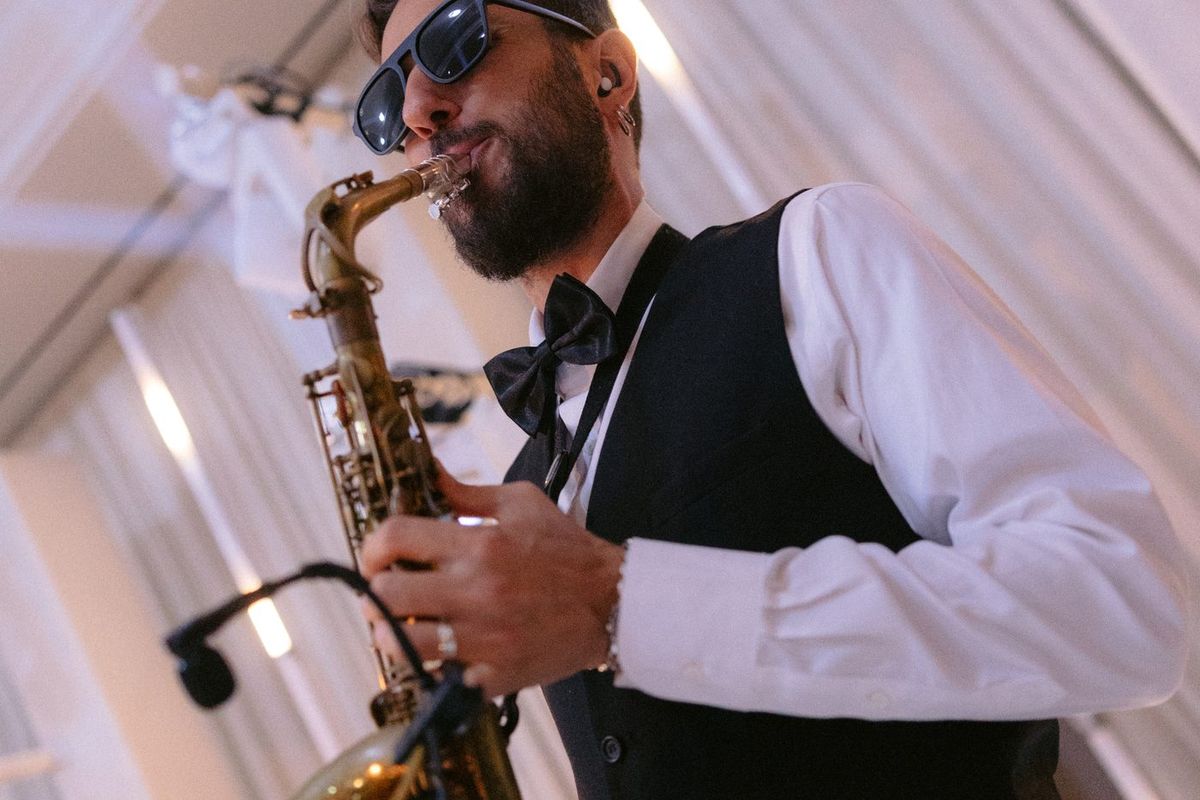
At the Los Angeles hotels we work in most, cocktail hour often runs 60 to 90 minutes on a terrace or in a foyer. A jazz trio or a saxophonist can cover that with far less setup than the full reception band.
Date and Season
Saturday nights in peak season book first, and the busiest groups fill those dates early. The Knot's 2026 study found that 76% of couples married between May and October. A Friday, a Sunday or a winter date puts you up against fewer weddings for the same musicians, and many groups quote those dates differently. Large cities tend to cost more too, because living and operating costs are higher there.
Travel and Lodging
Expect a travel charge once the wedding is outside a group's usual area. Zola notes that bands traveling more than 50 miles may charge mileage or need hotel rooms. Ask for the travel terms before you compare quotes, because lodging for a full band can change the total more than a gap in the base fees.
Sound, Lighting and Volume
Match the equipment to the room. A solo guitarist in a garden needs a small amplifier, while a ten-piece band in a ballroom needs a full PA, a mixer and someone to run it. Lighting adds to the bill as well. If the venue doesn't supply sound, plan for it separately. Our guide to renting a sound system for a wedding explains what's involved.
Volume belongs in the same conversation. The National Institute on Deafness and Other Communication Disorders lists normal conversation at 60 to 70 dBA and concerts at 94 to 110 dBA, and says long or repeated exposure at or above 85 dBA can cause hearing loss. Ask the band how they keep dinner music at a talking level and save full volume for the dance floor.
Your Song List
Most groups have a long list of songs ready to play. A first-dance song or a family request outside that list means someone has to learn or arrange it and the group has to rehearse it, and many bands charge for that work. Pick one or two songs that matter most and fill the rest from what the group already plays.
Types of Wedding Musicians and What Shapes Each Quote
Each part of the wedding day calls for a different kind of musician, and each one is priced differently.
Solo Performers
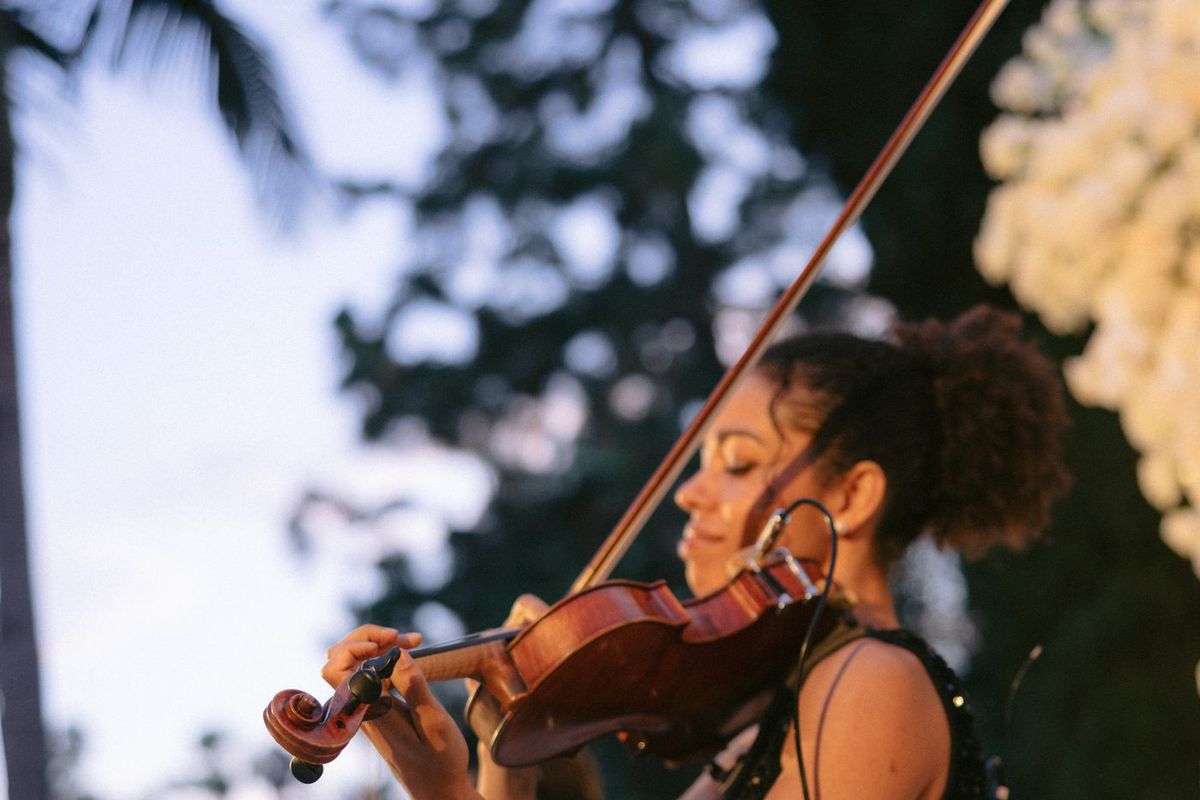
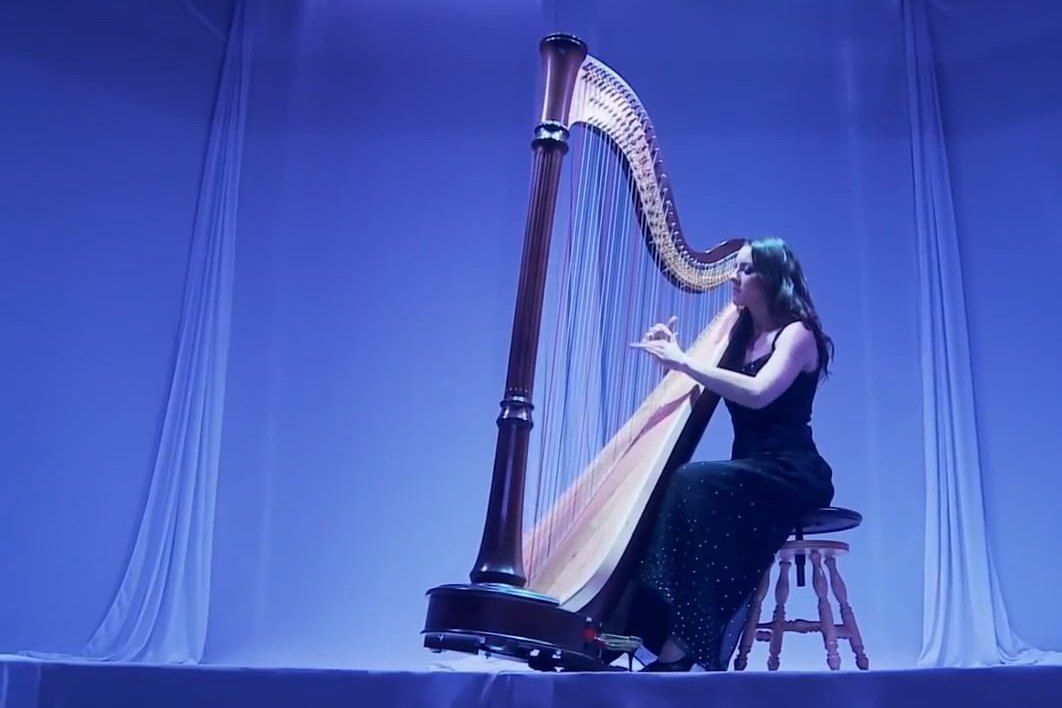
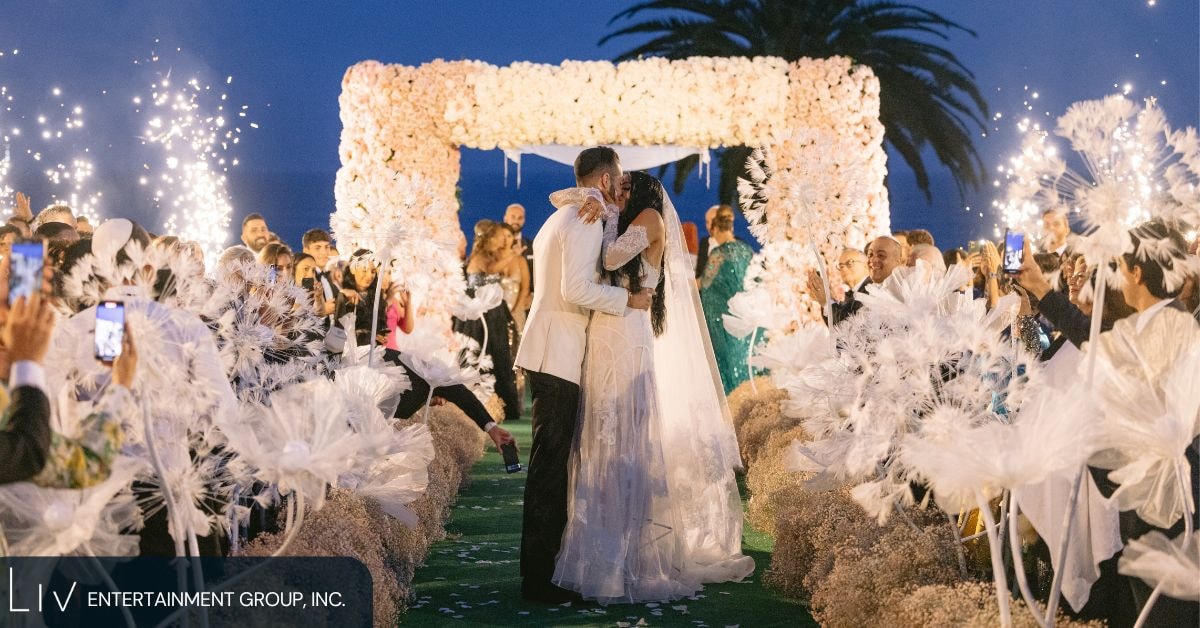
A soloist is the lightest live music you can book. A violinist, harpist, guitarist or singer can carry the ceremony and still give the room a personal feel. If you want strings, our page on how to hire a violin player for your wedding walks through song choices, and our harpist plays everything from classical pieces to modern songs.
The limit is volume and texture. One instrument suits a chapel or a small garden ceremony, but it won't fill a 300-person ballroom without amplification.
Duos, Trios and Quartets
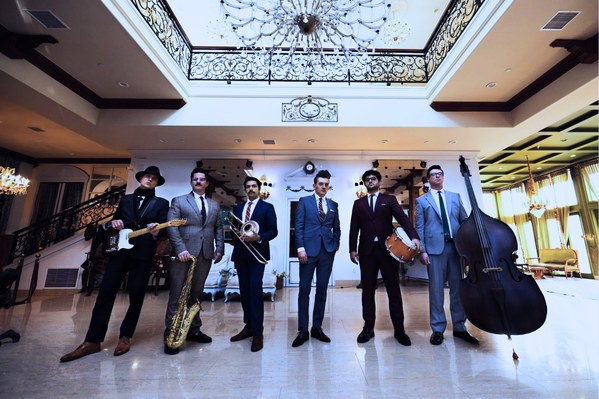
A small ensemble gives you a fuller sound without the size of a band. An acoustic duo, a jazz trio or a string quartet suits the ceremony and cocktail hour, and each added player adds to the quote. Zola's guide says a quartet suits about 75 guests, while celebrations with 200 or more often benefit from a fuller sound. Our duo Deux Cellos pairs two cellos for classical and pop pieces. For a detailed look at one of these options, see our guide to the cost of a string quartet for a wedding.
Acoustic groups need little equipment, which keeps setup short. They also suit rehearsal dinners and small weddings where a full band would be too much for the space.
Wedding Live Bands
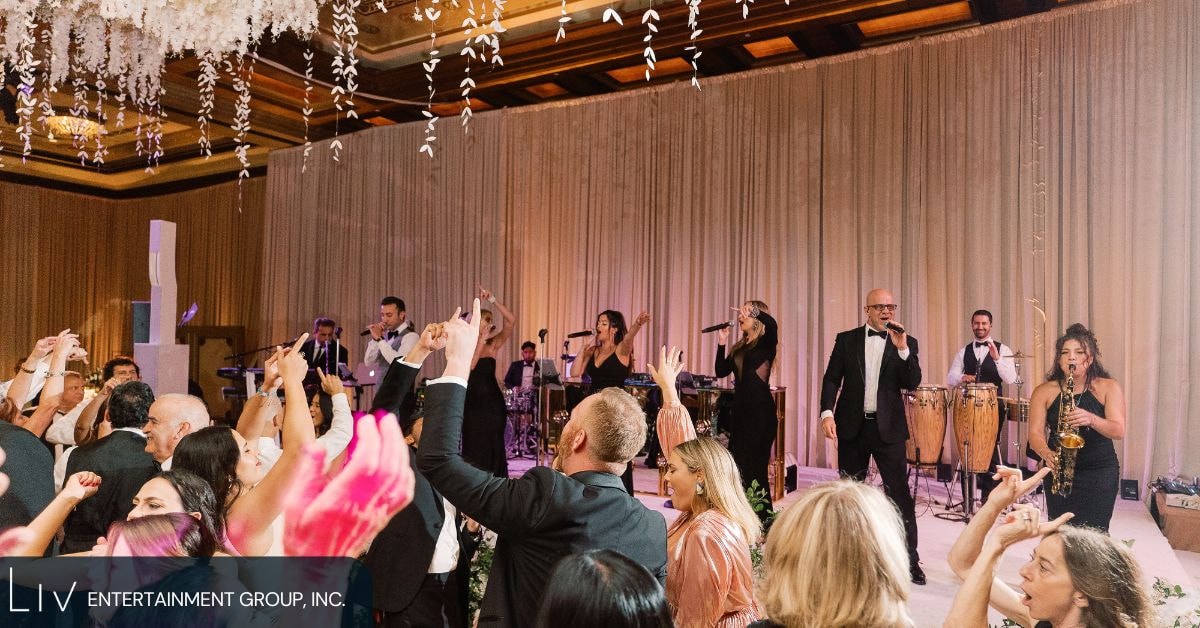
Live bands cost more because more people are on stage, and the genre changes the lineup. A jazz band for dinner can be three players, while a cover band for the dance floor needs a full rhythm section and enough songs to fill four hours. Players can stretch a song when the floor is full or cut it short when it isn't, which a playlist can't do.
Vanessa G., whose wedding Rouge played, wrote: "They went above and beyond what we expected for our Persian/Mexican mixed wedding." Many bands also sell packages that run from ceremony music through cocktails and the reception. Ask how many hours and players each one covers, because two similar-looking packages can differ by several musicians.
Wedding Singers
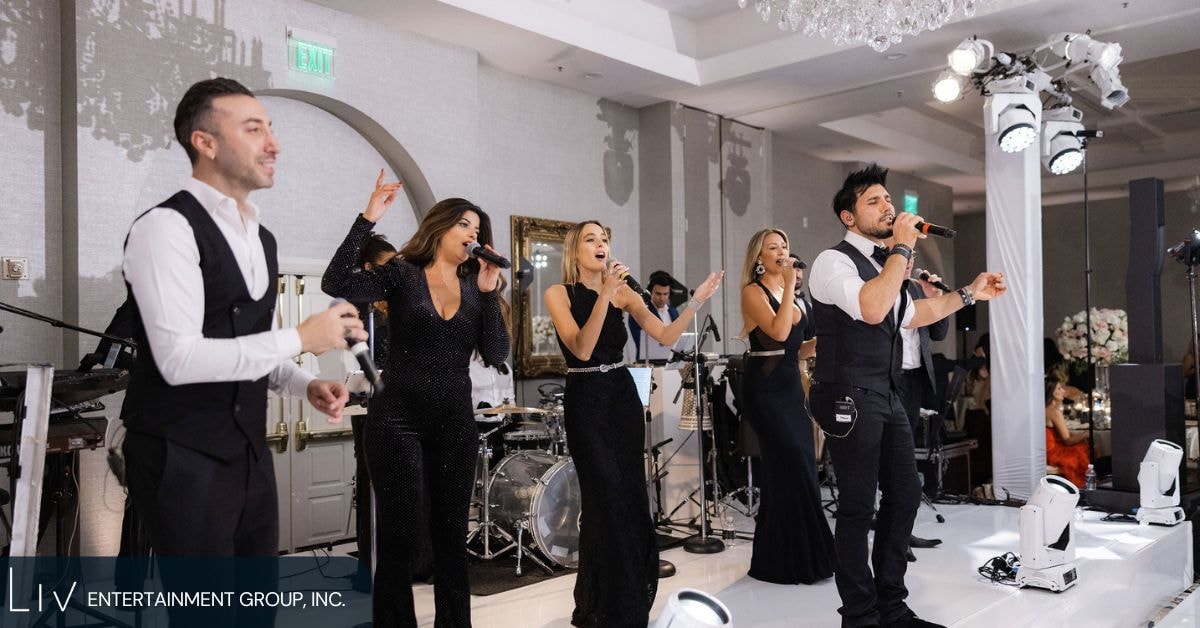
What a singer costs depends mostly on who is behind them. A singer with a backing track is the simplest setup, and a lead vocalist fronting a full band is part of the band's quote.
| Singer setup | Typical use | What shapes the quote |
|---|---|---|
| Solo singer with a backing track | Ceremony, first dance | One performer, plus sound for the room |
| Singer with piano or guitar | Ceremony and cocktail hour | A second musician and their hours |
| Lead vocalist with a band | Reception and dancing | Part of the full band's lineup and hours |
Chechi x Conrad is a singer and guitarist duo, and our band Mood plays the Frank Sinatra and Dean Martin songbook with full horn charts. You can see more vocal acts on our live singers page.
Wedding DJ
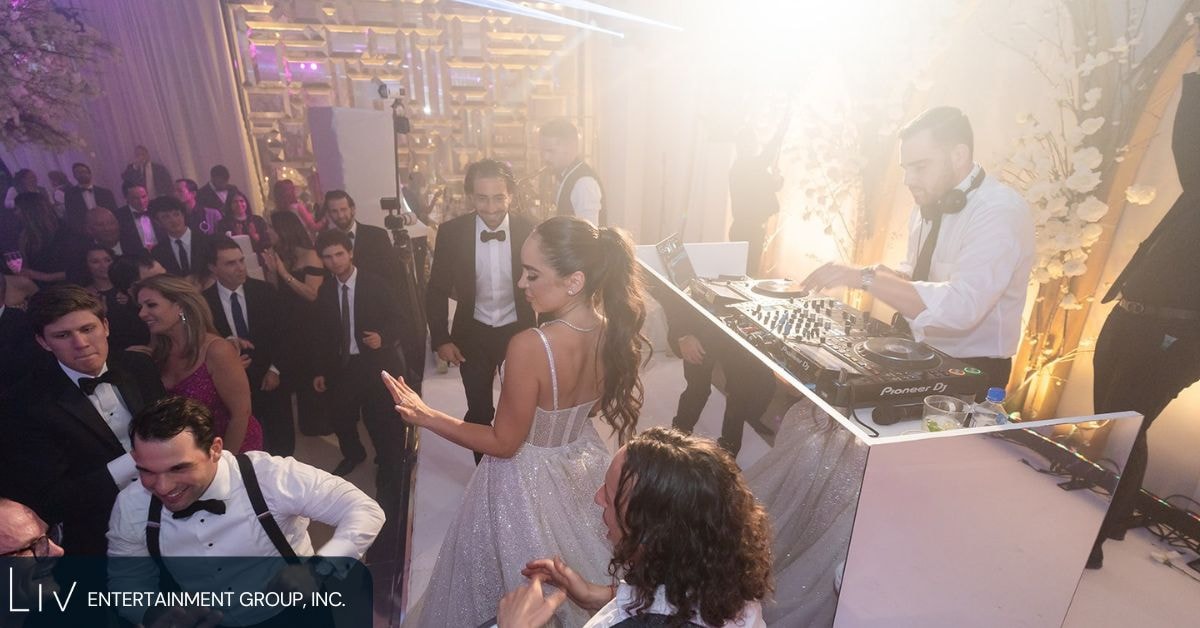
A DJ is usually the lighter booking for the reception. Most DJs bring their own equipment, play recorded music with no gaps between songs, and take requests. The quote grows with hours and with extras such as lighting or MC work. Our guide to what a wedding DJ costs covers those extras in detail, and you can hear our wedding DJs before you decide.
Where You Get Married Changes the Quote
Location moves a music budget as much as the type of act. Couples in large metro areas usually pay more than couples in smaller cities for the same lineup, because venues, travel and living costs are higher there. Ask any group you're considering whether they've played your venue, since a known room needs less planning.
Most of our own work is in Southern California. Of the 752 events in our event venue data, 332 were in Beverly Hills and the Westside and 175 elsewhere in Los Angeles. Our Los Angeles live bands page lists the hotels we play most: the Beverly Hills Hotel 97 times, the Beverly Hilton 83 times (46 of them weddings), the Beverly Wilshire 47 times and Four Seasons Westlake Village 32 times. When a planner asks what a ballroom can handle, those records show which formats have already worked there. We also book bands and DJs well outside California, and our areas we serve page lists the cities where we work most.
Extra Costs to Ask About Before You Sign
The base quote is rarely the whole story. Ask about each item below before you compare two acts side by side.
| Item | What to ask |
|---|---|
| Overtime | Is it billed by the hour or in shorter blocks, and for each musician or for the group? |
| New songs | Is there a charge to learn or arrange a song outside the group's list? |
| Travel | When does a travel fee start, and does it cover parking, mileage and hotel rooms? |
| Sound and lighting | Does the act bring its own system, or does the venue or a rental company supply it? |
| Meals and breaks | How many vendor meals are expected, and when do the breaks fall? |
| Gratuity | Is a tip expected, and is it already built into the quote? |
Music licensing is something few couples think about. Under 17 U.S.C. § 106(4), copyright owners hold the exclusive right to perform their songs publicly, and section 101 counts a performance as public when it happens where a substantial number of people outside a normal circle of a family and its social acquaintances gather. Ask the venue whether it holds performance licenses and who is responsible if it doesn't, especially at a private estate or a raw rental space.
How to Budget for Wedding Music

Start with the moments that matter most to you, then collect quotes for the same coverage from each act. These steps keep the comparison fair:
- Choose the music for each part of the day: ceremony, cocktail hour, reception and any after-party.
- Settle the guest count, since it decides the band size and how much sound the room needs.
- Ask every act to quote the same hours, with arrival and setup time listed.
- Add overtime, travel, sound, meals and any song-learning charge to each quote.
- Compare the totals, then trade hours or players until the music fits the budget.
Booking early matters more for choice than for price. WeddingWire suggests booking ceremony music about six months before the wedding, and Zola says popular bands often book 12 to 18 months ahead for peak-season Saturdays. Our own guide to live band costs suggests six to twelve months for a band.
Ways to Keep Wedding Music Costs Down
You don't have to cut the live music to save money. Most of the savings come from the date, the hours and the number of players.
- Look at a Friday, a Sunday or an off-season date, when fewer weddings compete for the same musicians.
- Use one act for more than one part of the day. A single setup for the ceremony and cocktail hour avoids a second load-in.
- Put live musicians where guests notice them, at the ceremony and the first dance, and hand the rest of the night to a DJ.
- Book a trio instead of a quintet for cocktail hour. A smaller group still sounds live.
- Keep requests to songs the group already plays, apart from the one or two that matter most.
Before you sign, get these in writing:
- The exact hours covered, from setup to the last song
- How many musicians will play and which instruments
- Overtime, travel and meal terms
- Who supplies the sound system and lighting
- The deposit, the payment dates and the cancellation terms
Our standard terms are a 50% retainer to hold the date, with the balance due before the event. Raise any venue rules at the first meeting, too. Lauren N., who booked us for an engagement party and then the wedding itself, wrote: "When the venue came with restrictions, Nathan countered with amazing ideas to make our ceremony and celebration unique." It also helps to plan for the gaps, such as keeping guests entertained during photos.
Choosing Wedding Musicians That Fit Your Budget
What you pay for wedding music comes down to how many musicians you book, how long they play, the date you choose and where the wedding is. Many couples split the day, with live musicians for the ceremony and cocktail hour and a band or DJ for the dance floor. Compare quotes line by line, because the lowest total often leaves out overtime, travel or sound.
Tell us your date, venue and guest count, and our team will put together a ceremony, cocktail and reception lineup around your budget. Request a quote and we'll reply within one business day. You can also meet our team, browse our instrumentalists, or see our wedding bands for hire.
Frequently Asked Questions
These are the cost questions couples ask us most when they book ceremony musicians and reception music.
What affects the cost of a musician for a wedding ceremony?
The number of players, the time on site and any custom songs. A ceremony booking usually covers setup, 20 to 30 minutes of prelude music, the ceremony and the recessional. Keeping the same musicians for cocktail hour adds to the quote.
How should I budget for wedding music?
Decide which parts of the day need live music, then ask every act to quote the same hours. Add overtime, travel, sound and meals to each quote before you compare totals.
Why does a live wedding band cost more than other musicians?
More people are on stage, and each one is paid for the whole night. A band also brings more equipment, often a sound engineer, and a longer setup. A larger lineup or horns and extra vocalists raise the quote further.
Does the day or season change what musicians charge?
Often, yes. Saturday nights from May through October are the most requested dates, so they book first. A Friday, a Sunday or a winter date gives you more choice and is often quoted differently.
Is a DJ cheaper than live musicians?
For the reception, usually yes, because one DJ replaces a full band. For the ceremony alone, a soloist or a small group is often the lighter booking. Many couples book live music for the ceremony and a DJ for the dancing.
How far in advance should I book wedding musicians?
As soon as your date and venue are set. Ceremony musicians are often booked about six months ahead, and popular bands can fill peak-season Saturdays a year or more out.